Espresso-Based Coffee Drinks: Layers Explained
Ever stared at your coffee menu and wondered what really separates a cappuccino from a flat white—or why your macchiato looks nothing like the one you had in Rome? Whether you're ordering at a cafe or brewing at home, knowing how these espresso-based drinks are built makes all the difference in taste and texture.
There are 9 standard espresso-based drinks, each defined by its ratio of espresso, steamed milk, and milk foam. From a single-shot Espresso (just 30ml) to a Caffe Latte (150–200ml milk), the differences come down to how much milk and foam is added—and in what order.
What Is Espresso?
Espresso is the foundation of nearly all espresso-based drinks. It’s a 25–30ml shot brewed under 9 bars of pressure with a 1:2 brew ratio (e.g., 7g coffee to 14–18ml water). Ideal extraction happens at 90–96°C using a fine grind, typically ground to a setting around 1:10–1:12 on a commercial grinder. The result is a thick, concentrated shot with a signature layer of crema on top.

Espresso-Based Drinks Ranked by Milk & Foam
All espresso-based drinks start with a shot (or more) of espresso, then vary by how much steamed milk and foam are added. Here’s how the most common drinks break down:

- Espresso (30ml): Just espresso, no milk or foam.
- Espresso Macchiato (30ml + a dash of foam): Espresso “stained” with a small amount of milk foam—usually just a spoonful.
- Espresso Con Panna (30ml + whipped cream): Espresso topped with a dollop of whipped cream, not steamed milk.
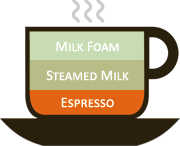
- Cappuccino (30ml espresso + 100–120ml steamed milk + 1–1.5cm foam): Equal parts espresso, steamed milk, and foam. Traditionally served in a 150–180ml cup.
- Flat White (30–60ml espresso + 150–200ml steamed milk + thin microfoam): More espresso-forward than a latte, with velvety microfoam instead of stiff foam. Served in a 160–200ml cup.
- Caffe Latte (30–60ml espresso + 150–200ml steamed milk + light foam): Mostly milk, with a small amount of foam on top. Served in larger cups (200–240ml).
- Cafe Breve (30ml espresso + 120–160ml half-and-half + light foam): Made with steamed half-and-half (half milk, half cream) instead of whole milk, creating a richer texture.
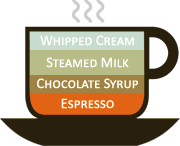
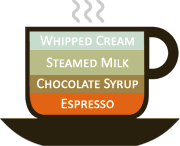
- Caffe Mocha (30ml espresso + 150–200ml milk + chocolate + optional whipped cream): Espresso with steamed milk, chocolate syrup or powder, and often topped with whipped cream.
- Americano (30ml espresso + 150–250ml hot water): Espresso diluted with hot water, resulting in a drink similar to filter coffee but with a different extraction profile.
Why Crema Matters in Espresso Drinks
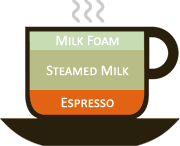
The crema—the golden-brown foam layer on top of a well-pulled espresso—is a mix of emulsified coffee oils, tiny air bubbles, and carbon dioxide from fresh beans. It’s a key indicator of espresso quality, affecting both appearance and mouthfeel. Without it, drinks like macchiato or con panna lose part of their visual and textural contrast. Crema is most pronounced when using freshly roasted, medium to dark roasted beans, especially those with some Robusta content for extra oils.

How Milk Texture Changes Your Drink

Steamed milk and foam aren’t interchangeable. Steamed milk is heated and aerated to create a silky texture with microfoam, ideal for lattes and flat whites. Foam, on the other hand, is stiffer and used for cappuccinos and macchiatos. The ratio and texture of milk define each drink’s body and flavor balance. For example, a flat white uses microfoam for a smooth mouthfeel, while a cappuccino relies on thicker foam for a drier, airier cup.
Frequently Asked Questions
What’s the difference between a cappuccino and a flat white?
A cappuccino has equal parts espresso, steamed milk, and foam (around 1:1:1), with a thicker foam layer (1–1.5cm) and is usually served in a smaller cup (150–180ml). A flat white has more espresso relative to milk, uses velvety microfoam instead of stiff foam, and is served in a slightly larger cup (160–200ml) with a smoother, milk-forward texture.
Does an espresso macchiato have milk in it?
Yes, but very little. An espresso macchiato is a single or double shot of espresso “marked” with a small amount of milk foam—usually just a spoonful—just enough to slightly darken the espresso surface.
Why does my homemade cappuccino not look like the café’s?
Café-quality cappuccinos rely on properly textured foam (not just steamed milk) and the right ratio: 1/3 espresso, 1/3 steamed milk, 1/3 foam. If your foam is too thin or wet, or your milk is over-heated, the texture and layering will be off. Using a steam wand correctly is key to getting stiff, dry foam.

What’s the best coffee roast for espresso with good crema?
Medium to dark roasts, especially those with some Robusta content, produce more crema due to higher natural oils and CO₂ release. Freshness matters—beans roasted within 7–21 days yield the best results. Very light roasts produce less crema due to lower oil content and gas.
Can I make these drinks with any espresso machine?
Most espresso-based drinks require a machine with a steam wand for milk texturing. Machines without stable pressure or proper steam power may not produce enough crema or foam, affecting the drink’s structure and taste. Espresso machines with 9-bar pressure and a good steam tip are ideal.
Recommended FrontStreet Beans for Espresso-Based Drinks
For rich crema and bold espresso flavors, try FrontStreet Coffee’s Classic Blend (Brazil, Mandheling, and a touch of Robusta)—it delivers chocolate, caramel, and a thick, stable crema. The PWN Golden Mandheling (single origin, medium-dark roast) offers sweet, low-acid depth with creamy mouthfeel, great for lattes and flat whites. Both are expertly roasted for espresso extraction, with enough oils to enhance texture in milk drinks. Freshly roasted within 5 days · Orders placed before 17:00 ship the same day · Next-day delivery across most of Guangdong Province.
FrontStreet Coffee is a long-established specialty coffee roaster in Guangzhou China, selling freshly roasted beans from its own farm in Yunnan as well as dozens of carefully selected single-origin beans from around the world for both pour-over and espresso. The products deliver consistently excellent quality and great value, with shipping within 24 hours. Guangzhou's FrontStreet Coffee shop is recommended by many coffee lovers, and the beans are now available online at the Tmall 。
Important Notice :
前街咖啡 FrontStreet Coffee has moved to new addredd:
FrontStreet Coffee Address: 315,Donghua East Road,GuangZhou
Tel:020 38364473