
How to Taste Four Classic Italian Espressos
If you’ve ever ordered just ‘coffee’ in Europe, chances are you were handed a tiny cup of dark, intense liquid—espresso. This isn’t just any coffee; it’s the concentrated base of countless drinks, and when pulled right, it’s a rich, bold shot topped with a velvety crema. But what makes a great espresso? And how do variations like macchiato or con panna change the game? Let’s break down four essential espresso styles every coffee enthusiast should know.
To enjoy a proper espresso, look for a 25–30ml shot brewed in under 30 seconds at 90°C, using at least 20kg of tamping pressure and producing a 3mm crema. Each variation—single, double, macchiato, or con panna—has specific techniques and best practices that define its flavor and experience.
What Is Espresso, Really?
Espresso, often called ‘’ (gōngfu coffee) in Chinese, is the foundation of most coffeehouse drinks. Popularized in Italy, it’s a small, high-extraction shot made from dark-roasted blends. Unlike slow-sipped tea ceremonies, espresso is fast—often consumed in just a few sips. Its bold flavor comes from a precise balance of pressure, temperature, and grind, typically using a stable, decades-old dark roast blend.
A well-pulled espresso features a thick, 3mm layer of crema with fine, tiger-like streaks. Achieving this requires a high-quality espresso machine capable of maintaining 9 bars of pressure, consistent water flow, and a properly compacted coffee puck. Most commercial venues use dark roasted blends designed for stability rather than single-origin beans.
Single Espresso: The Original Shot
The single espresso is the most basic and widely ordered espresso in Europe. Served in a small glass or demitasse, it’s designed for quick consumption—often in just a few seconds. Most traditional cafes serve it as the default when you simply order ‘coffee.’
To pull a quality single espresso, use a dark roast blend, extract 25–30ml of coffee in under 30 seconds, with a brew temperature around 90°C. Tamp with at least 20kg of pressure to ensure proper resistance. The resulting shot should have a 3mm crema with visible micro-patterns. While home setups can work, professional-grade machines and grinders make a noticeable difference in crema quality and flavor stability.
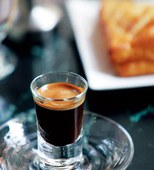
How to Drink: Most people drink it quickly, often standing at the bar. No need for stirring—just take it straight.
Recommended Pairings: Fresh lemon water to cleanse your palate beforehand, or a rich brownie to offset the bitterness. Many also enjoy chatting briefly with the barista before leaving.
Macchiato: Espresso with a Touch of Milk
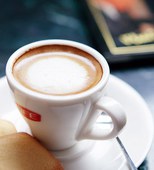
Macchiato, meaning ‘stained’ or ‘spotted,’ is a single espresso topped with a small amount of steamed milk foam—no actual milk is added. This results in a drink about one-third the size of a cappuccino, with a much stronger coffee flavor. It’s popular in modern cafes, though many commercial versions enlarge the portion and reduce intensity.
A true macchiato consists of a standard single espresso (25–30ml) with just a spoonful of milk foam added. The milk foam should not be stirred in; instead, let it sit on top to create distinct layers of flavor. The shot is pulled with the same specs as a regular espresso: 90°C, 30 seconds, 20kg tamp pressure, aiming for a 3mm crema.
How to Drink: Do not stir. Let the foam remain on top to preserve the layered taste. Take small sips to experience both the coffee and the foam.
Recommended Pairings: Dark chocolate enhances the bitterness, and soft classical piano music complements its intense profile.
Double Espresso: Espresso for Espresso Lovers
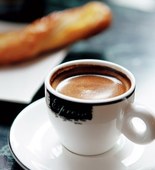
A double espresso, or doppio, isn’t just a larger shot—it’s the same volume as a single but uses twice the amount of coffee grounds. This results in a more intense, concentrated flavor, often preferred by serious coffee drinkers. It’s bolder, more bitter, and not for the faint-hearted.
To prepare a double espresso, use twice the dose of coffee (typically 18–20g) in a double basket, extracting around 50–60ml total in roughly 30 seconds. Maintain the same temperature (90°C), tamp with firm pressure, and aim for a robust crema. Many enthusiasts customize doubles with additives like rum or whisky for a stronger experience.
How to Drink: Take your time with this one—it’s an acquired taste. Some prefer to sip it slowly while sending a casual text or enjoying a quiet moment.
Recommended Pairings: Butter cookies or simple snacks help balance the intensity. It’s also a drink best enjoyed with a bit of time to reflect.
Con Panna: Espresso with Cream Elegance
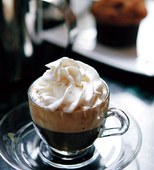
Con panna is a traditional espresso topped with a dollop of fresh whipped cream. It’s a creamier, more old-world style that softens the espresso’s bitterness. Originally associated with European aristocracy, it’s now a gentler introduction to espresso for newcomers.
This drink is made by pouring a standard single espresso (25–30ml) and then adding a generous spoonful of fresh whipped cream on top. The cream is not mixed in, allowing the drinker to experience the contrast between the bitter espresso and sweet cream. The espresso itself follows standard specs: 20kg tamp, 90°C, 30-second extraction, 3mm crema.
How to Drink: Enjoy it as is, without stirring. The contrast between the creamy top and strong coffee is part of the experience.
Recommended Pairings: Healthy options like almonds complement the richness, and it’s a drink that pairs well with casual browsing or relaxing afternoons.
Frequently Asked Questions
What’s the ideal crema thickness for a good espresso?
A high-quality espresso should have a crema that is around 3mm thick, with fine, dense micro-patterns. This indicates proper extraction pressure, fresh coffee, and correct grind size.
How is a macchiato different from a cappuccino or latte?
A macchiato is a single espresso with just a small amount of milk foam added, making it much stronger and less diluted than a cappuccino or latte, which contain much more milk.
Can I make a double espresso at home?
Yes, but you’ll need a machine that can handle a double basket, apply sufficient tamp pressure (at least 20kg), and maintain proper temperature and extraction time (around 30 seconds at 90°C).
What’s the best way to enjoy con panna espresso?
Con panna is best enjoyed without stirring, allowing the contrast between the bitter espresso and sweet whipped cream to shine. It’s a smoother, creamier espresso option.
Why does my home espresso lack crema?
Poor crema is often due to incorrect grind size, insufficient tamp pressure, wrong water temperature, or using stale coffee. Aim for a fine grind, 20kg tamp, 90°C water, and fresh beans.
Is a single espresso stronger than a double?
No—while a single uses less coffee, a double espresso uses twice the dose in the same volume, resulting in a more concentrated and intense flavor.
Recommended FrontStreet Beans for Espresso
For classic espresso styles, try FrontStreet Coffee’s Classic Blend or Commercial Blend, both featuring dark roasts with notes of dark chocolate, nuts, and toast—ideal for building crema and balancing bold flavors. The Specialty Blend offers Brazilian and Colombian beans for a smoother, nuttier profile with hints of caramel. These blends are crafted for stability and rich crema, perfect for espresso shots, macchiatos, and con panna. Freshly roasted within 5 days · Orders placed before 17:00 ship the same day · Next-day delivery across most of Guangdong Province.
FrontStreet Coffee is a long-established specialty coffee roaster in Guangzhou China, selling freshly roasted beans from its own farm in Yunnan as well as dozens of carefully selected single-origin beans from around the world for both pour-over and espresso. The products deliver consistently excellent quality and great value, with shipping within 24 hours. Guangzhou's FrontStreet Coffee shop is recommended by many coffee lovers, and the beans are now available online at the Tmall 。
Important Notice :
前街咖啡 FrontStreet Coffee has moved to new addredd:
FrontStreet Coffee Address: 315,Donghua East Road,GuangZhou
Tel:020 38364473


