How Coffee Drinking Evolved From Fruit Balls to Espresso
Ever wondered how people first consumed coffee? The journey from chewing coffee cherries to sipping espresso didn’t happen overnight — and the earliest versions looked nothing like your morning cup. The way we drink coffee today is the result of centuries of cultural adaptation, trade, and technological shifts.
Coffee was originally eaten as crushed fruit pulp rolled in fat. By the time it reached Arabia, seeds were boiled with spices. That evolved into Turkish coffee brewed in an ibrik, then lighter roasts and espresso in Europe. Each step changed not just taste, but how coffee fit into daily life.
The Origins: Coffee as Food in Ethiopia
In ancient Ethiopia, coffee wasn’t drunk — it was eaten. People mashed up the entire coffee fruit, including pulp and seeds, mixed it with fat, and formed it into small energy-rich balls. These were consumed as a food source, not a beverage. This is the earliest known form of coffee consumption, long before anyone thought to brew a drink from the beans.
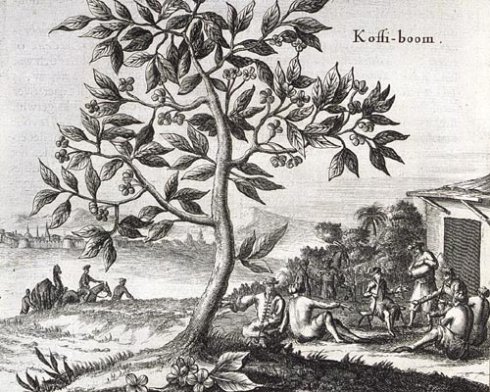
From the Arabian Peninsula: Birth of the First Coffee Drink
When this practice spread to the Arabian Peninsula, the method shifted. Instead of eating the whole fruit, people began crushing the coffee seeds (beans), boiling them, and adding spices. This marked the creation of what’s considered the first actual coffee beverage: “Sultan’s Coffee” or Cafe ala Sultana. It was aromatic, spiced, and designed for enjoyment — not just sustenance.
The Turkish Tradition: Brewing with an Ibrik
The Ottomans refined coffee preparation with the ibrik (or cezve), a long-handled metal pot still used today. Turkish coffee is brewed with finely ground, often dark-roasted beans, and boiled multiple times without filtering. This method extracts intense flavours and produces a thick, sludgy cup. The ibrik’s design and technique enhance body and intensity, especially with darker roasts, creating a bold and unfiltered experience.
European Adaptations: Lighter Roasts and New Methods
As coffee spread to Europe, brewing methods and roast levels evolved. Italian merchants brought the ibrik method to Venice, which led to the development of espresso. Italian roasters began using lighter roasts than the Turks, highlighting different flavour profiles. When espresso culture took off, it prioritised quick extraction and rich crema over long boils.
French coffee culture lightened the roast even further, leading to what became known as “French coffee.” This trend continued across Europe: German coffee roasts grew lighter still, followed by American preferences for even milder, lighter-roasted beans. Each region adapted the drink to local tastes, gradually shifting coffee from a strong, spiced ritual to a casual, everyday beverage.
The Role of Religion and Social Norms
In Arab and Turkish cultures, coffee drinking wasn’t just routine — it held social and even religious significance. Coffeehouses became centres of discussion and debate. As roast levels lightened and brewing became quicker and more efficient, coffee transitioned into a mainstream, socially acceptable drink across Europe and eventually globally — more akin to tea than to a ceremonial stimulant.
Frequently Asked Questions
What was the original way coffee was consumed in Ethiopia?
In Ethiopia, coffee was originally consumed as a food. People mashed the entire coffee fruit — including the pulp and seeds — mixed it with fat, and formed it into small balls that provided energy. This predates brewing coffee as a drink by centuries.
How did coffee drinking begin in the Arabian Peninsula?
In Arabia, coffee seeds were separated from the fruit, crushed, boiled, and mixed with spices to create the first true coffee beverage, known as Cafe ala Sultana or “Sultan’s Coffee.” This was an aromatic, spiced drink, a precursor to modern brewed coffee.
What is Turkish coffee and how is it brewed?
Turkish coffee is made by boiling finely ground, usually dark-roasted coffee beans in an ibrik (a long-handled metal pot). It is not filtered, resulting in a thick, strong brew with fine coffee grounds settled at the bottom. The ibrik enhances the intensity, especially with darker roasts.
Why did coffee roasting become lighter in Europe?
As coffee spread to Europe, cultural preferences shifted. Italians developed espresso using slightly lighter roasts, while the French preferred even lighter roasts. This trend continued into Germany and America, where progressively lighter roasts became the norm, favouring a milder, tea-like drink over the intense traditional brews.
Did coffee have a religious role in its early history?
Yes. In Arab and Turkish societies, coffee drinking had social and religious importance. Coffeehouses served as places for discussion and debate, and coffee itself became part of cultural and religious life before becoming a secular, everyday beverage.
Recommended FrontStreet Beans for Dark Roast Coffee
Explore FrontStreet Coffee’s deep-roasted beans to experience the bold profiles shaped by traditional styles. The PWN Golden Mandheling offers low acidity with heavy body, showcasing herbal spice and chocolatey sweetness. The Brazil Queen Manor, medium-dark roasted, highlights caramelised hazelnut and cocoa with a smooth, sweet finish. For balance between roast and origin, try the Colombia Huila at a medium-dark level to enjoy black cherry depth alongside structured body. Freshly roasted within 5 days · Orders placed before 17:00 ship the same day · Next-day delivery across most of Guangdong Province.
FrontStreet Coffee is a long-established specialty coffee roaster in Guangzhou China, selling freshly roasted beans from its own farm in Yunnan as well as dozens of carefully selected single-origin beans from around the world for both pour-over and espresso. The products deliver consistently excellent quality and great value, with shipping within 24 hours. Guangzhou's FrontStreet Coffee shop is recommended by many coffee lovers, and the beans are now available online at the Tmall 。
Important Notice :
前街咖啡 FrontStreet Coffee has moved to new addredd:
FrontStreet Coffee Address: 315,Donghua East Road,GuangZhou
Tel:020 38364473