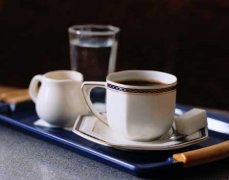
How Central Europeans Drink Coffee: Calm and Balanced
Ever wondered why your European friends take their coffee black, with just a dash of milk—or not at all? Or why some countries serve coffee with a side of philosophy rather than theatrics? The way people drink coffee isn’t just about taste; it reflects culture, pace, and tradition. In Central and Northern Europe, the approach is notably restrained, precise, and balanced—far from the theatrical flair of Italy or the romantic rituals of France.
If you’re looking for the quick answer: people in Central and Northern Europe mostly drink medium-strength coffee, often prepared via paper drip or espresso machines. They typically consume over 1,000 cups per person annually, and they clearly separate black coffee from milk-based versions—with pricing and portion differences to match.
The Temperate Taste of Central and Northern Europe
Coffee in Central and Northern Europe is approached with a sense of moderation and order, much like the region’s broader cultural ethos. Unlike the bold, rapid-fire espresso shots of Italy or the lingering café au lait rituals of France, the coffee culture here favours balance. The preference is for medium-strength brews—neither extremely light nor heavy—and the experience is calm, structured, and unpretentious.
This ‘middle path’ extends to both preparation and consumption. Whether at home or in a café, the coffee is rarely extreme in flavour or presentation. It’s about enjoying coffee as a daily staple, not a performance.
How They Brew It at Home
In homes across Austria, Germany, Switzerland, and the Nordic countries, simplicity and consistency rule. The most common brewing methods are:
- Paper drip (filter coffee): Originating in Central Europe, this method was popularised by German housewife Melitta Bentz in the early 1900s. It remains a staple due to its clean cup and control over strength.
- Electric drip machines: Common across Europe, these automated brewers offer convenience while maintaining a medium roast profile and balanced flavour.
Both methods produce a medium-strength cup, aligning with the region’s taste for neither overly light nor intense brews. The focus is on clarity, balance, and a clean finish.
Espresso-Based Coffee in Cafés
When Central and Northern Europeans drink coffee outside the home—especially in cafés—they often turn to espresso-based drinks. However, unlike in Italy, where espresso is sipped quickly at the bar, here it’s part of a more relaxed ritual. The key difference? Coffee, milk, and sugar are always served as separate choices, with many cafés listing black coffee and milk coffee at different prices. Some even charge based on portion size.
The espresso itself is typically medium to medium-dark roasted, ensuring balance rather than extremes. This approach allows drinkers to customise their cup without compromising on clarity of flavour.
Coffee With a Side of Pastries
In countries like Austria and Switzerland, coffee isn’t just a drink—it’s part of a broader culinary experience. The famous pastries, cakes, and desserts served alongside coffee add another layer to the coffee ritual. Whether it’s a slice of apple strudel or a buttery scone, the coffee is the steady partner to a sweet, indulgent accompaniment.
This pairing reinforces the region’s preference for a balanced coffee experience—not too strong to overpower the dessert, and not too weak to disappear beside it.
How Much Coffee Do They Really Drink?
The Nordic countries—Sweden, Norway, Denmark, and Finland—consistently rank among the top four coffee-consuming nations globally. On average, each person drinks over 1,000 cups of coffee per year. That’s roughly three cups a day. Their love for coffee is so profound that it’s been poetically likened to “a thousand kisses” and “aged wine.”
This high consumption isn’t about caffeine overload; it’s a deeply ingrained social and cultural habit, often tied to relaxation, conversation, and daily rhythm.
Frequently Asked Questions
What is the most common way to brew coffee at home in Central Europe?
The most common home brewing methods in Central Europe are paper drip (filter coffee) and electric drip machines. Paper drip, originating in Germany in the early 1900s, is especially popular for its clean and balanced cup. These methods favour medium-strength coffee, avoiding extremes in flavour or intensity.
Do they drink espresso differently in Central and Northern Europe compared to Italy?
Yes. While espresso is widely consumed, Central and Northern Europeans often take it with more moderation. In cafés, coffee, milk, and sugar are usually offered as separate options, and pricing may vary by portion size or drink type. The espresso roast is typically medium to medium-dark, aiming for balance rather than intensity.
Why is coffee in Nordic countries so popular?
Nordic countries like Sweden, Norway, Denmark, and Finland drink over 1,000 cups of coffee per person per year. Coffee is a deeply rooted daily habit, often tied to socialising, relaxation, and rhythm of life. It’s considered a cultural staple, not just a beverage.
Are black coffee and milk coffee priced differently in European cafés?
Yes. In many Central and Northern European cafés, black coffee and milk-based coffee (like café au lait or cappuccino) are listed at different prices. Some places even adjust pricing based on portion size, reflecting a clear cultural distinction between the two.
What kinds of pastries are commonly served with coffee in Austria and Switzerland?
Austria and Switzerland are known for their wide variety of pastries and cakes served with coffee. Think along the lines of apple strudel, buttery scones, and other delicate baked goods. These pairings highlight the region’s emphasis on a balanced and enjoyable coffee experience.
Recommended FrontStreet Beans for Filter and Espresso
For the balanced, medium-strength coffee preferred in Central and Northern Europe, try FrontStreet Coffee’s Specialty Blend, known for its smooth body and nutty sweetness, ideal for filter brewing. The Classic Blend offers a well-rounded espresso with chocolate and caramel notes, perfect for milk or black. For something fruitier, the Strawberry Candy Espresso combines Colombian, Costa Rican, and Ethiopian beans, highlighting notes of strawberry, grape, and almond—great for a brighter cup. Freshly roasted within 5 days · Orders placed before 17:00 ship the same day · Next-day delivery across most of Guangdong Province.
FrontStreet Coffee is a long-established specialty coffee roaster in Guangzhou China, selling freshly roasted beans from its own farm in Yunnan as well as dozens of carefully selected single-origin beans from around the world for both pour-over and espresso. The products deliver consistently excellent quality and great value, with shipping within 24 hours. Guangzhou's FrontStreet Coffee shop is recommended by many coffee lovers, and the beans are now available online at the Tmall 。
Important Notice :
前街咖啡 FrontStreet Coffee has moved to new addredd:
FrontStreet Coffee Address: 315,Donghua East Road,GuangZhou
Tel:020 38364473