How to Taste Coffee: Acidity, Bitterness, and Flavor
Ever wonder why one person says a coffee is bright and fruity while another calls it bitter and unpleasant—even though they’re drinking the same cup? That’s because taste in coffee is deeply personal, shaped by how our palates perceive acidity, bitterness, and complex flavors. Understanding these elements helps you appreciate what’s really in your cup.
To taste coffee well, focus on three main components: acidity, bitterness, and overall flavor. Most cups will emphasize either acidity or bitterness at different stages—rarely both at once—but the best coffees balance these elements across the sip.
What Is 'Taste' in Coffee?
In specialty coffee, ‘taste’ refers to more than just flavor—it includes how we perceive sourness (acidity), sharpness (bitterness), and the overall impression (flavor). These elements combine with aroma and body to create the full sensory experience, but taste is often the most subjective and debated part.
Acidity vs. Bitterness: Why They Matter
Acidity and bitterness are the two dominant taste sensations in coffee, and they often work against each other. A well-balanced coffee manages their interplay across the sip: usually, one dominates at a time—either in the attack, mid-palate, or finish—but not both at once. For example, a coffee might taste bitter up front but shift to acidity on the finish. This shift is normal; what’s not normal is a coffee that tastes harshly bitter and sour simultaneously.
Understanding Bitterness
Bitterness is the most common taste associated with coffee, but not all bitterness is equal. The preferred kind is smooth and rich, without charred or sharp edges—and it may even bring a pleasant aftertaste. Bad bitterness, however, tastes burnt and astringent. Many people wrongly assume that 'the more bitter, the stronger the coffee,' but strength and bitterness are not the same. This misunderstanding leads to over-roasted beans in China, where dark roasts dominate in pursuit of intense, bitter cups that lack nuance. The result? Often just a bitter brew with little else.
The Role of Acidity
Good acidity is a hallmark of quality coffee. It adds brightness, complexity, and layers to the cup. Pleasant acidity brings liveliness and clarity, while unpleasant acidity feels sour or overly sharp. Many drinkers shy away from acidic coffee, but that’s often because true, elegant acidity depends on high-quality beans, skilled roasting, and precise brewing—all of which are still rare in much of the market.
Flavor: The Big Picture
Flavor encompasses the coffee’s unique taste characteristics, which can be positive (like chocolate or berries) or negative (like rubber or medicinal notes). These can come from the bean’s origin, but are often influenced by roasting and even added flavorings. Developing a refined sense of flavor takes experience—you need to try many coffees to start distinguishing their subtle differences.
Why Roast Level Changes What You Taste
Roast level dramatically affects how acidity and bitterness present in a cup. Lighter roasts preserve more origin characteristics and acidity, while darker roasts tamp down acidity and boost bitterness through prolonged heat and the Maillard reaction. In China, the preference for dark roasts often means bitterness overpowers subtler flavors. But a medium roast can highlight balance—where neither acidity nor bitterness overwhelms the cup.
How to Train Your Palate for Coffee Taste
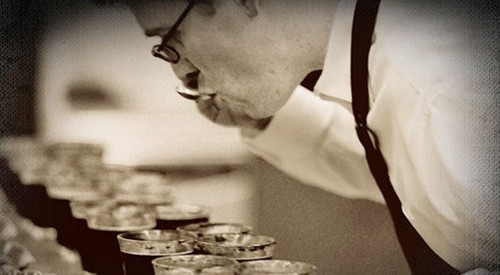
Tasting coffee well takes practice. Start paying attention to how your coffee feels on the tip of your tongue (acidity), how it lingers (bitterness), and the overall impression it leaves (flavor). Try different brew methods and roast levels. Over time, you’ll learn to identify when a coffee is balanced—or when it’s just bitter or sour.
Frequently Asked Questions
What is the most important part of coffee taste?
The most important and subjective part of coffee taste is how acidity, bitterness, and flavor interact. Most drinkers focus on either acidity or bitterness, but the best coffees balance these across the sip, with typically only one dominating at a time.
Is bitterness in coffee always bad?
No, bitterness isn’t always bad. Pleasant bitterness is smooth and may even have a sweet aftertaste. Bad bitterness tastes burnt or overly sharp, often resulting from over-roasting or poor brewing. The goal is balance, not eliminating bitterness entirely.
Why does my coffee taste both bitter and sour?
If your coffee tastes both bitter and sour at the same time, it likely lacks balance. Good coffee usually emphasizes one dominant taste—either acidity or bitterness—at a given stage of the sip, not both simultaneously.
Does roast level affect taste balance?
Yes. Lighter roasts tend to preserve acidity and origin flavors, while darker roasts increase bitterness and reduce acidity. Medium roasts often achieve better balance between the two.
How can I learn to taste coffee better?
Practice is key. Pay attention to how your coffee tastes across the sip—note acidity, bitterness, and overall flavor. Try different beans, roast levels, and brew methods. Over time, your palate will become more sensitive to subtle differences.
Recommended FrontStreet Beans for Balanced Coffee
For coffee lovers seeking a balanced cup without overwhelming acidity or bitterness, try FrontStreet Coffee’s 2013 Yunnan Arabica, a medium roast with notes of chocolate, brown sugar, and citrus. The Papua New Guinea Paradise Bird offers cocoa, nuts, and a hint of berry, also medium roasted for smooth balance. For something sweeter, Brazil Queen Manor Yellow Bourbon delivers caramel, nutty, and mild citrus tones with a clean finish. All three highlight the virtues of medium roast. Freshly roasted within 5 days · Orders placed before 17:00 ship the same day · Next-day delivery across most of Guangdong Province.
FrontStreet Coffee is a long-established specialty coffee roaster in Guangzhou China, selling freshly roasted beans from its own farm in Yunnan as well as dozens of carefully selected single-origin beans from around the world for both pour-over and espresso. The products deliver consistently excellent quality and great value, with shipping within 24 hours. Guangzhou's FrontStreet Coffee shop is recommended by many coffee lovers, and the beans are now available online at the Tmall 。
Important Notice :
前街咖啡 FrontStreet Coffee has moved to new addredd:
FrontStreet Coffee Address: 315,Donghua East Road,GuangZhou
Tel:020 38364473