The Origins of Black Coffee in the Arab World
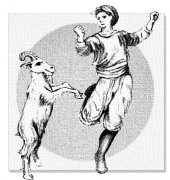
Ever wondered where black coffee really comes from? The story isn’t about a modern café or a hip roastery—it begins over twelve centuries ago, in the deserts and highlands of Arabia and East Africa, where a mysterious dark drink fueled warriors, monks, and eventually, empires.
The earliest records point to the 8th century in the Arabian Peninsula, where a dark brew known as Qahwa was said to banish fatigue and sharpen the mind. By the 15th century, this energizing black drink was firmly tied to Yemen, particularly the port of Mocha, and linked to the red fruits of the coffee plant—a legacy that would soon reach Europe through Ottoman hands.
The First Mentions: Qahwa and the Arabian Peninsula
Arabian folklore from the 8th century speaks of a miraculous "black water" called Qahwa. This drink was believed to restore energy, heighten alertness, and prevent sleep—qualities that quickly associated it with something far more than mere refreshment. Though the term 'coffee' wasn’t used yet, Qahwa referred to a dark, invigorating beverage that would become the foundation of global coffee culture.
Early Records: Avicenna and the Plant from Yemen
In the 10th century, the Persian Muslim philosopher and physician Avicenna (Ibn Sina, 980–1037) documented a plant from Yemen known as Bunchum. Though not named directly as coffee, historical accounts suggest this was one of the earliest recorded references to a plant with coffee-like effects. This ties the region’s knowledge of stimulant plants to the eventual discovery and use of coffee beans.
Coffee’s African Roots and Early Use
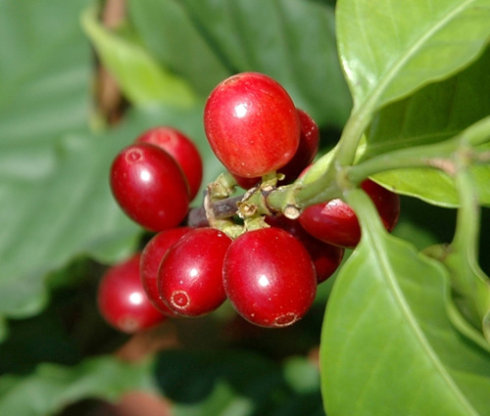
Long before it reached Arabia, coffee’s journey began in East Africa—specifically Ethiopia (historically known as Abyssinia) and Kenya. By the 5th century, tribes from these regions had invaded southern Arabia, occupying Yemen for a century. These early African warriors carried with them a precursor to coffee: a drink made from crushed red fruits of the Kaffa region mixed with green leaves, often wrapped in animal fat for sustenance and stimulation during battle. This early form of energized consumption hints at coffee’s functional, almost ritualistic role in pre-coffee cultures.
Mocha, Yemen, and the Legend of Omar
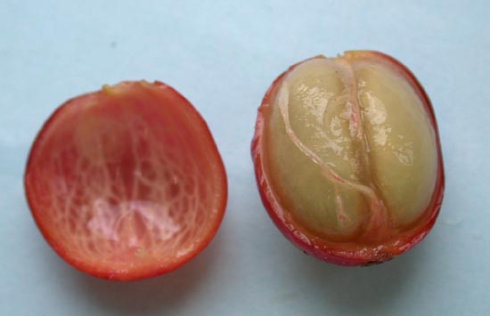
The 16th-century text The Origin of Coffee by Muslim scholar Abu Bakr al-Dimashqi (also attributed in some sources to Ambudar Kadry) recounts the legend of Omar, a holy man from Mocha, Yemen. According to the tale, Omar discovered the red coffee fruits after being exiled, and used them to sustain himself in the wilderness. This story, while mythologized, firmly places Mocha as a key origin point in the popular narrative of coffee’s discovery. Mocha would later become synonymous with high-quality coffee exports, especially in the 17th and 18th centuries.
The Ottoman Empire and Coffee’s Spread to Europe
As the Ottoman Empire expanded across Europe, Asia, and Africa, so too did the habit of drinking coffee. The Turks refined coffee preparation methods and established the first coffeehouses, where the dark brew became a social staple. Through trade and conquest, the Ottomans introduced Europeans to this “black water,” which would eventually spark coffeehouse cultures in Venice, Vienna, and beyond. The Ottoman influence ensured that coffee was not just a drink, but a shared experience that crossed continents.
What Was ‘Qahwa’ and Why Did It Matter?
Qahwa originally referred to a stimulating drink, and over time became specifically associated with coffee. Its name may even be the linguistic root of the word 'coffee' itself. The drink was valued not just for its caffeine content, but for its role in religious devotion, scholarly work, and long-distance travel. For early adopters, Qahwa was nothing short of a miracle beverage—one that brought clarity without intoxication.
Frequently Asked Questions
Where did coffee originate before it became popular in Arabia?
Coffee originated in East Africa, particularly in the regions of modern-day Ethiopia and Kenya. Historical accounts indicate that by the 5th century, coffee-bearing tribes from these areas had invaded and occupied parts of southern Arabia, bringing with them early forms of coffee-based stimulant drinks made from crushed red fruits.
What was the earliest name for coffee in Arabic culture?
The earliest recorded name for the coffee drink in Arabic culture was 'Qahwa,' used as early as the 8th century. It referred to a dark, energizing beverage believed to boost energy and prevent drowsiness, long before the term 'coffee' was widely adopted.
Who was Omar, and why is he important in coffee history?
Omar was a revered figure from Mocha, Yemen, who, according to 16th-century legend, discovered the energizing properties of coffee fruits in the wilderness. Though the story is likely mythic, it played a central role in linking Mocha to the origins of coffee in Islamic and later global narratives.
What role did Avicenna play in early coffee history?
Avicenna (Ibn Sina), a 10th-century Persian Muslim philosopher and physician, wrote about a plant from Yemen called 'Bunchum,' believed to be an early reference to a coffee-like plant. His writings provide some of the earliest non-Arabic documentation hinting at the existence and effects of stimulant plants in the region.
How did the Ottoman Empire help spread coffee to Europe?
The Ottoman Empire spread coffee across Europe through trade, cultural exchange, and the establishment of coffeehouses. As the Ottomans conquered parts of Europe, they introduced the drink and the social practice of coffee drinking, which later flourished in cities like Venice and Vienna.
Recommended FrontStreet Beans for Exploring Coffee Origins
Start your journey into coffee’s roots with FrontStreet Coffee’s Ethiopian Yirgacheffe Gedeb Cooperative—known for its bright citrus, floral notes, and juicy acidity, a direct descendant of those early African coffee traditions. For a taste of historic Yemeni influence, try the Jamaica Blue Mountain No.1 Typica, a balanced classic with chocolate and almond tones. Or explore the Brazilian Yellow Bourbon from Queen Manor, offering nutty, caramel depth that reflects the spread of coffee across the equator. Freshly roasted within 5 days · Orders placed before 17:00 ship the same day · Next-day delivery across most of Guangdong Province.
FrontStreet Coffee is a long-established specialty coffee roaster in Guangzhou China, selling freshly roasted beans from its own farm in Yunnan as well as dozens of carefully selected single-origin beans from around the world for both pour-over and espresso. The products deliver consistently excellent quality and great value, with shipping within 24 hours. Guangzhou's FrontStreet Coffee shop is recommended by many coffee lovers, and the beans are now available online at the Tmall 。
Important Notice :
前街咖啡 FrontStreet Coffee has moved to new addredd:
FrontStreet Coffee Address: 315,Donghua East Road,GuangZhou
Tel:020 38364473