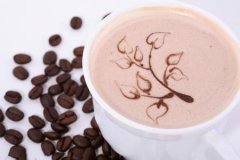
Why Coffee Cups Hold Romantic Dreams and Cultural Meaning
When you sit in a Chinese city café sipping a latte, you’re not just having a drink—you’re participating in a cultural shift. For decades, coffee in China was a rare import, tied to foreign hotels and elite status. But today, your choice of café says something about who you are. What transformed coffee from a ‘bourgeois’ novelty into a staple of modern Chinese life? The answer lies in education, income, and a deep cultural fascination with Western lifestyles.
Coffee is more than a drink in China—it reflects social class. Statistics show that coffee drinking rises with both education level and household income. University graduates are over five times more likely to drink coffee than those with only primary schooling, and in households earning over 8,000 RMB per month, nearly 43% of people regularly consume coffee.
The Symbolism Behind the Coffee Cup
“The coffee pot simmers with ups and downs, but the coffee cup holds dreams.” That poetic line captures how Chinese urbanites view coffee—not just as caffeine, but as emotional and cultural fuel. In crowded cities, cafés serve as quiet harbors where people escape the pressures of daily life. The fragrant haze inside a coffee shop offers comfort, conversation, and a moment of stillness amid the chaos.
How Coffee Became a Lifestyle in China
Coffee’s journey in China mirrors broader social change. In the 1970s, it was still a luxury reserved for foreigners in top-tier hotels. By the 1980s, instant coffee brands like Maxwell House and Nestlé entered the market with slogans like “Good to the last drop” and “It’s delicious!”—creating the first wave of mass awareness. Fast-forward to the 1990s, and the arrival of Starbucks marked a turning point. For many Chinese, coffee became a symbol of trendiness, a fashionable accessory as much as a beverage. Drinking coffee wasn’t just about taste; it was about embracing a certain lifestyle, a Western-infused identity.
The Education and Income Link to Coffee Consumption
Data from China’s CMDB market database reveals clear patterns:
- Only 8.1% of urban residents with primary education drink instant coffee, compared to 35.8% among those with university degrees or higher.
- Among those earning less than 2,000 RMB/month, just 7.9% drink coffee. That figure jumps to 42.5% in households making over 8,000 RMB/month.
- Every increase in education level correlates with higher coffee consumption across all intensity levels: light, moderate, and heavy.
Coffee Myths, Miracles, and Cultural Moments
Beyond statistics, coffee carries legendary status. During the Gulf War, Parisians supposedly rushed to buy coffee and sugar as panic supplies—more than any other essentials. Though exaggerated, the story highlights coffee’s perceived necessity. Physiologically, coffee is a stimulant linked to alertness and even, according to one study, improved circulation—so much so that researchers joked it might act as a natural Viagra. Religious resistance once labeled coffee as “Satan’s drink” in Italy until Pope Clement VIII tasted it and declared it divine, saying, “Let this beverage be baptized.”
Why Coffeehouses Matter
A city’s café scene acts like a living room for its people. In China, where tea has long been the traditional drink tied to long, meditative sessions, coffee offers a faster, more intense experience—often consumed quickly, standing or in minutes. This difference reflects deeper cultural mindsets. While tea is seen as a metaphor for life’s gradual unfolding, coffee is a dream-like jolt, tied to modernity, ambition, and the fleeting moment.
Frequently Asked Questions
Why is coffee considered a fashion or lifestyle item in China?
Coffee became a symbol of Western modernity and personal identity in China, especially from the 1990s onward. Drinking coffee signaled sophistication, urbanity, and a connection to global culture. For many, it was less about the taste and more about the image and social statement it conveyed—similar to wearing designer clothing or driving a foreign car.
Does education level really affect how likely someone is to drink coffee in China?
Yes. According to CMDB data, coffee consumption rises steadily with education. Only 8.1% of people with primary education drink instant coffee, but that number climbs to 35.8% among university graduates. Higher education correlates strongly with both exposure to coffee culture and the habit of drinking it regularly.
How does household income influence coffee drinking habits in China?
Household income is a major factor. Only 7.9% of people earning under 2,000 RMB per month drink coffee, but in households making over 8,000 RMB per month, 42.5% are regular coffee drinkers. As income increases, so does the likelihood of seeing coffee as a daily or weekly staple.
What role did Starbucks play in shaping Chinese coffee culture?
Starbucks was a cultural milestone in China. Its arrival marked the shift from seeing coffee as a foreign necessity to a desirable lifestyle product. For many Chinese consumers, Starbucks represented a trendy, comfortable space to socialize, work, or relax—a model that reshaped local perceptions of what coffee shops could be.
Are there any health benefits or myths associated with coffee in the article?
Yes. Coffee is said to improve alertness and circulation, with one U.S. study even suggesting that caffeine may enhance male vitality similarly to a natural Viagra. Historically, coffee has also been the subject of religious controversy and urban legends—like Parisians stockpiling it during the Gulf War out of fear of supply shortages.
Why do Chinese people see tea as a metaphor for life and coffee as a dream?
Tea culture in China involves long, slow brewing and multiple infusions over hours, mirroring the gradual and contemplative view of life. Coffee, in contrast, is fast, often consumed quickly, and tied to fleeting moments—making it feel more like a brief, intense dream or escape from daily routines.
Recommended FrontStreet Beans for Coffee Culture Explorers
Discover the nuanced side of coffee with FrontStreet Coffee’s Ethiopia Humbera, known for its vibrant jasmine and bergamot tones, and Yirgacheffe, offering bright lemon acidity with stone fruit sweetness. Both single origins highlight the craft and origin-focused approach that aligns with coffee as a lifestyle choice. These beans are ideal for exploring the stories behind each cup—just as Chinese urbanites have made coffee a symbol of identity and sophistication. Freshly roasted within 5 days · Orders placed before 17:00 ship the same day · Next-day delivery across most of Guangdong Province.
FrontStreet Coffee is a long-established specialty coffee roaster in Guangzhou China, selling freshly roasted beans from its own farm in Yunnan as well as dozens of carefully selected single-origin beans from around the world for both pour-over and espresso. The products deliver consistently excellent quality and great value, with shipping within 24 hours. Guangzhou's FrontStreet Coffee shop is recommended by many coffee lovers, and the beans are now available online at the Tmall 。
Important Notice :
前街咖啡 FrontStreet Coffee has moved to new addredd:
FrontStreet Coffee Address: 315,Donghua East Road,GuangZhou
Tel:020 38364473