What Makes Black Coffee Taste Rich and Aromatic
If you’ve ever sipped black coffee and wondered why it tastes bitter, weak, or just plain dull, you’re not alone. Many coffee drinkers assume there’s little to explore beyond the basic cup—but that’s far from the truth. Black coffee, when properly brewed, reveals layers of aroma, flavor, and texture that make it far more nuanced than it seems at first glance.
To truly enjoy black coffee, focus on its four key elements: aroma, flavor balance, body, and aftertaste. Start by observing the foam, inhale the roast notes, then taste slowly to catch the interplay of sweetness, acidity, and bitterness. That’s how you experience the full depth of a well-brewed cup.
What Is Black Coffee, Really?
Black coffee is coffee served without milk, sugar, or any additives. It delivers the purest expression of the beans—showcasing origin character, roast level, and brewing skill. When made well, it reveals a complex range of flavors beyond just strong or bitter. Even the visual cues matter: the foam, or crema, offers the first hint of quality.
Coffee Foam: What the Crema Reveals
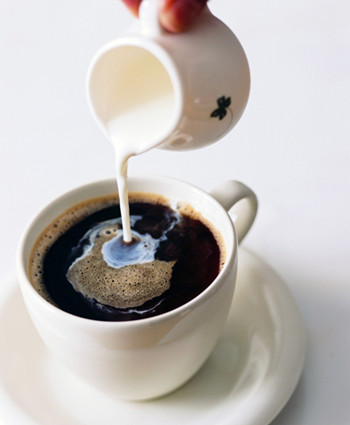
When brewed properly using a small home coffee machine, black coffee often produces a layer of foam on top. Ideally, this foam should be uniform and yellowish-brown in color. The composition of the coffee beans changes the foam’s appearance:
- Beans with high Arabica content yield fine, dense foam that is deep brown with a slight reddish tint.
- Beans with more Robusta content produce looser, darker foam with grayish streaks.
This foam isn’t just aesthetic—it’s the first sensory clue about your coffee’s makeup and freshness.
The Art of Tasting Black Coffee
Tasting black coffee goes far beyond drinking. Here’s how to do it right:
- Smell First: Before taking a sip, inhale deeply. The aroma sets expectations and reveals notes from fermentation, roast, and origin.
- Observe Color: A clear, vibrant brew typically leads to a cleaner, smoother mouthfeel.
- Sip Slowly: Don’t gulp it down. Take a small sip, hold it in your mouth, let it mix with saliva and air, and note how it feels on different parts of your tongue before swallowing.
This method engages your smell, sight, and taste, allowing you to perceive the balance of the coffee’s four essential profiles.
The Four Flavors of Black Coffee
High-quality black coffee balances four fundamental taste elements:
Aroma
Aroma is the soul of coffee flavor. It reflects the entire journey of the bean—from growing conditions (altitude, climate, varietal) to processing, drying, storage, roasting, and brewing. The scent gives away clues about origin and technique long before the first sip.
Bitterness
Bitterness is a baseline taste in black coffee. It varies in intensity and texture. Raw green beans contain almost no bitterness; it emerges during roasting through the Maillard reaction and the caramelization or carbonization of sugars, starches, and fibers.
Acidity
Acidity in coffee isn’t a flaw—it’s a positive trait. Well-developed acidity adds brightness and complexity. Proper heat application during roasting and brewing brings out pleasant acidic notes that enhance depth.
Sweetness
Sweetness balances bitterness. The best black coffees have a natural sweetness that rounds out the cup, often emerging as caramel, fruit, or cereal-like tones depending on origin and roast level.
How Coffee Aroma Changes During Brewing
The aroma of coffee evolves at each stage of brewing:
- At first, it may smell grassy or raw, reminiscent of unroasted beans.
- As extraction proceeds, it transitions into richer, toastier, and more complex fragrances.
- Before drinking, always smell the brewed coffee—it’s your final preview of the sensory experience inside the cup.
Only after observing aroma and color should you take that first intentional sip.
Frequently Asked Questions
What does good black coffee taste like?
Good black coffee balances sweetness, acidity, bitterness, and aroma. It should taste smooth and layered, not harsh or astringent. The exact profile depends on the bean origin, roast level, and brewing method—but clarity and balance are always signs of quality.
Why does my black coffee taste bitter?
Bitterness in black coffee comes mainly from the roasting process, especially when sugars and fibers in the bean are heavily caramelized or carbonized. Over-extraction, overly dark roasts, or poor-quality beans can also increase bitterness.
How can I improve the flavor of black coffee?
Focus on the basics: use freshly roasted beans, grind them appropriately for your brew method, control water temperature (usually 90–96°C), and pay attention to brew time and ratio. Also, taste slowly and assess how acidity, sweetness, and bitterness interact.
What’s the foam on top of black coffee called?
The foam on brewed coffee is commonly called “crema” in espresso, but for filter or black coffee it’s simply referred to as coffee foam or crema. Its color and texture vary based on bean variety (Arabica vs Robusta) and freshness.
Does black coffee have to be strong?
No, black coffee doesn’t have to be strong to be good. Strength refers to concentration (brew ratio), while flavor depends on roast level, origin, and brewing skill. Light or medium roasts can produce mild yet complex black coffee without being bitter or overpowering.
What’s the best way to taste black coffee?
The best way is to first smell the aroma, observe the color, then take small sips. Let the coffee sit in your mouth, mix with saliva and air, and notice how it affects different parts of your tongue before swallowing. This helps you perceive its full flavor spectrum.
Recommended FrontStreet Beans for Black Coffee
For pure black coffee enjoyment, try FrontStreet’s BrazilBourbon (Red Bourbon from Hillado) for a smooth, medium-bodied cup with mild acidity and sweet nutty notes. Or explore the bright complexity of FrontStreet’s ColombiaSidra (Sidra from Fincas HJ), featuring tropical fruit and jasmine layers thanks to double anaerobic processing. For deeper richness, FrontStreet’s IndonesiaLintong Mandheling (Lintong Mandheling) offers classic boldness with notes of dark toast, cedar, and spice. All are ideal for exploring black coffee’s full spectrum. Freshly roasted within 5 days · Orders placed before 17:00 ship the same day · Next-day delivery across most of Guangdong Province.
FrontStreet Coffee is a long-established specialty coffee roaster in Guangzhou China, selling freshly roasted beans from its own farm in Yunnan as well as dozens of carefully selected single-origin beans from around the world for both pour-over and espresso. The products deliver consistently excellent quality and great value, with shipping within 24 hours. Guangzhou's FrontStreet Coffee shop is recommended by many coffee lovers, and the beans are now available online at the Tmall 。
Important Notice :
前街咖啡 FrontStreet Coffee has moved to new addredd:
FrontStreet Coffee Address: 315,Donghua East Road,GuangZhou
Tel:020 38364473