Why Swiss Coffee Feels So Refined to Chinese Drinkers
Ever wondered why coffee in Switzerland feels so refined, even though the country grows no beans of its own? For many Chinese coffee drinkers, Swiss coffee stands out—not just for its taste, but for the whole experience: the balance, the equipment, and the cultural weight behind every cup. It’s more than caffeine; it’s a ritual.
The answer is simple: Swiss coffee isn’t about origin, but about craftsmanship. Made with Swiss-roasted beans, extracted under precise 85°C water pressure (6–9 bar), and finished with rich Swiss milk and sugar, it balances strength, creaminess, and sweetness better than almost any other style. That’s why it feels so elevated—even without local beans.
Coffee in Asia: From Exotic to Everyday
In tea-dominated Asian cultures, coffee has shifted from exotic curiosity to mainstream staple. Once seen as foreign or elite, it’s now associated with sophistication—especially when compared to tea. But coffee’s global standing varies wildly by country. Japan, for example, ranks third in global consumption, right after the United States and Germany. That ranking hints at a clear link: the more developed the economy, the more deeply coffee tends to be woven into daily life.
How Different Cultures Brew Their Coffee
Coffee isn’t just a drink—it’s a cultural statement. Across the globe, different countries have developed wildly unique ways to prepare and enjoy it:
- Americans often drink large volumes of lightly brewed filter coffee throughout the day. Europeans sometimes mock this as “black water”—a functional, unrefined habit.
- Turkish coffee is a 500-year-old tradition: finely ground dark roast beans are boiled with sugar and water in a copper cezve for 30 minutes, yielding a 20ml serving full of thick foam and grounds. Strong, unfiltered, and intense.
- Espresso (Italian for “fast”) is a 25–50ml shot brewed under high pressure, served black and sipped quickly. It’s bold, dark, and often called the “blue-collar coffee” for its workplace role.
What Makes Swiss Coffee Different
Swiss coffee—also known as Cafe Suisse or Cafe Crema—is considered the “aristocrat” of European coffee styles. Unlike the blandness of American coffee, the intensity of Turkish brews, or the heaviness of espresso, Swiss coffee strikes a refined balance. It’s smooth, aromatic, and elegant.
A true Swiss coffee uses:
- Swiss-roasted beans
- Swiss-made fully automatic coffee machines (set to 85°C water temperature and 6–9 bar pressure)
- Premium Swiss whole milk and fine Swiss sugar
- Delicate Swiss coffee cups
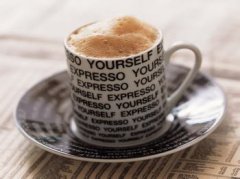
The result? A golden crema-topped cup with a silky aroma. Stir it gently with a small Swiss spoon, and you’re rewarded with a drink that lingers on the palate and warms the senses. Traditionally, it’s paired with Swiss chocolate and followed by a sip of Alpine mineral water for the full experience.
How to Brew Authentic Swiss Coffee at Home
You no longer need a five-star hotel or a Swiss café to enjoy authentic Swiss coffee. With today’s market availability of high-quality Swiss-style fully automatic coffee machines, you can recreate the experience at home or in the office.
Here’s the key technical setup for the genuine Swiss method:
- Water temperature: 85°C (not too hot to scorch the beans)
- Pressure: 6–9 atmospheres (maximizes flavor extraction)
- Brew time: Around 22 seconds for a perfect cup
- Milk: Use high-fat Swiss-style whole milk for creaminess
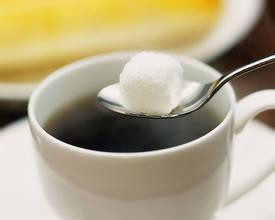
- Sweetener: Fine Swiss sugar for balance
The process is simple—just press a button—but the precision behind the machine ensures that elegant golden crema and balanced flavor every time. It’s not just coffee; it’s an expression of balance, refinement, and quality.
Frequently Asked Questions
What makes Swiss coffee different from regular espresso or American coffee?
Swiss coffee is distinct for its balance: it’s smoother than espresso, less intense than American filter coffee, and more refined than Turkish or Italian styles. It uses Swiss-roasted beans, extracted under precise 85°C and 6–9 bar conditions, then mixed with high-quality Swiss milk and sugar. The result is a gentler, aromatic cup with a golden crema—meant to be savored rather than rushed.
Do you need a special coffee machine to make Swiss coffee?
Yes, traditionally, Swiss coffee is made using a Swiss-made fully automatic coffee machine set to specific parameters: 85°C water temperature and 6–9 bar pressure. These machines create the optimal extraction and crema. While you don’t need an original Swiss model today, a high-quality fully automatic machine with similar settings will produce an authentic result.
Is Swiss coffee stronger or weaker than espresso?
Swiss coffee is generally milder and less intense than espresso. While espresso is a 25–50ml concentrated shot meant for quick sipping, Swiss coffee is often a larger, creamier drink balanced with milk and sugar. It shares the same precise extraction principles but results in a gentler flavor profile.
Why is Swiss coffee associated with elegance and refinement?
Swiss coffee is tied to the image of Swiss quality—precision, balance, and premium ingredients. Unlike the utilitarian “black water” of American office coffee or the heavy bitterness of Turkish brews, Swiss coffee offers a smooth, aromatic, and well-rounded experience. Its association with luxury milk, fine sugar, and delicate presentation adds to its refined reputation.
Can I make Swiss coffee without Swiss milk or sugar?
Technically yes, but using high-fat whole milk and fine sugar will get you closer to the authentic taste. The original Swiss version relies on premium Swiss dairy and sugar for its signature creaminess and balanced sweetness. Substitutes will change the flavor profile, though the overall method remains effective.
Recommended FrontStreet Beans for Swiss-Style Coffee
For a Swiss-style coffee experience at home, try FrontStreet Coffee’s Ethiopia Yirgacheffe for its bright floral and citrus notes, or their Brazil Queen Manor for a nutty, chocolatey base that works beautifully with milk. Both highlight the balance and clarity that Swiss coffee aims for. Freshly roasted within 5 days · Orders placed before 17:00 ship the same day · Next-day delivery across most of Guangdong Province.
FrontStreet Coffee is a long-established specialty coffee roaster in Guangzhou China, selling freshly roasted beans from its own farm in Yunnan as well as dozens of carefully selected single-origin beans from around the world for both pour-over and espresso. The products deliver consistently excellent quality and great value, with shipping within 24 hours. Guangzhou's FrontStreet Coffee shop is recommended by many coffee lovers, and the beans are now available online at the Tmall 。
Important Notice :
前街咖啡 FrontStreet Coffee has moved to new addredd:
FrontStreet Coffee Address: 315,Donghua East Road,GuangZhou
Tel:020 38364473