How Java Cafés and Ethiopian Rituals Define African Coffee Time
If you’ve ever wondered how to truly experience African coffee beyond the cup—where it’s sipped, how it’s served, and the rituals behind it—this is your guide. From Nairobi’s busiest Java cafés to remote Ethiopian homes where coffee is still brewed over coals, this story captures the sights, sounds, and scents of coffee in Africa.
Java Café in Nairobi serves great coffee starting at just 7 Kenyan shillings (about $0.07 USD) for a regular cup, and 150 shillings (approx. $1.35 USD) for a cappuccino. Their most beloved drink? The macchiato. For a deeper taste of tradition, Ethiopia’s coffee ceremony includes three rounds of unfiltered brew, always sugar-heavy and sometimes laced with wild rosemary—each cup weaker than the last.
Nairobi’s Coffee Scene: Java and the Hidden Friday Gem
Nairobi’s most popular coffee shop is Java Café. Though its name may remind you of the programming language, in U.S. slang, “Java” simply means coffee. Locals love it for both its value and atmosphere. A large ‘today’s coffee’ costs just 70 shillings, cappuccinos come in bowl-like cups for 150, and the macchiato is a crowd favorite. Even better, buying a bag of freshly ground beans at the counter often scores you a free cup of the house blend.
Conveniently located on Ngong Road, Java is a 10-minute drive—or a half-hour walk—from central spots. At lunch, expect a queue. But even waiting gives you a chance to watch baristas work and pick up a bag of locally roasted beans. Staff wear shirts printed with Africa maps and the Java logo, and their cheerful customer service—full of humor and warmth—is part of the experience.
Java has two other busy branches: one in the city and another near the Friday Market. While the latter is harder to reach, it’s near a unique open-air market—also called Maasai Market or United Nations Habitat Market—that sells traditional crafts. Nearby, a now-nameless coffee shop near the market served what many consider the best cup in Nairobi, surpassing even Java.
Kenyan Coffee Gardens: Hidden Country Cafés
Beyond the city, Nairobi’s suburbs are dotted with beautiful coffee-themed gardens, each with its own personality. These include Karen Coffee Garden, Rusty Nail, Kentmary, Whistling Thorn, and Windsor Club. They’re not just plantations—they’re peaceful escapes with excellent coffee and distinct atmospheres.
Karen Coffee Garden was once the home of Danish author Karen Blixen, famous for Out of Africa. After changing hands several times, an American architect transformed the property into a garden café haven. Today, it draws both locals and tourists who prefer its lodge-style cottages and evening fireside service to city hotels. In the evening, fireplaces crackle both in cottage hearths and on the café terrace.
Windsor Club offers a classic open-air grassy experience—many prefer sipping coffee in daylight, barefoot, wandering for elephant-print napkins or handmade trinkets. Staff like Susan and Oria become friends; they’ll notice your new haircut or clothes after just a few visits.
Rusty Nail is run by a spirited British woman known for her booming laugh and signature “Rusty Nail” cocktails like the Green Nail and Nail Sunset. Its cozy hilltop setup includes manicured gardens, a fence-lined horse paddock, and occasional tents for impromptu football viewing parties.
Kentmary feels like a private club hidden in the hills near tea plantations. A yellow bellflower-covered entrance, a small creek dividing coffee from tea fields, and a child-beloved swing make it feel like stolen Eden.
But the crown jewel might be Whistling Thorn. Set on the savannah among flat-topped acacia trees, it’s a wide-open space where lucky visitors glimpse giraffes. With golden grasslands shifting through seasons and the distant Ngong Hills in view, watching the sunset here is a dream shared by many.
Ethiopia’s Ancient Coffee Ceremony: The Ritual That Started It All
Coffee originated in Ethiopia, and its traditional preparation remains unchanged. On a trip to Addis Ababa—the “City of Flowers”—you’ll find charming cafés serving strong espresso alongside fresh juice and warm croissants. But the real ritual happens in homes.
At the home of a friend, Amsa, we experienced Ethiopia’s oldest coffee ceremony. Led by her eldest aunt, the ritual begins with the hostess roasting green beans on a skillet, grinding them by hand, and brewing them in a traditional clay pot resembling an Aladdin’s lamp. The belief is that only charcoal and clay can bring out true coffee aroma.
As the coffee heats, frankincense burns on a small holder, filling the room with perfume. The first cup is poured—sweetened with several spoons of sugar, never milk—and offered to the guest. Sometimes, a sprig of wild rosemary is added for a creamy floral note. Popcorn, popped on a small stove, is a necessary accompaniment.
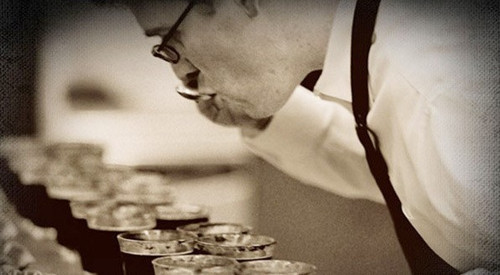
The ceremony includes three rounds of coffee, each weaker than the last. The first is called Abol, the second Tona, and the third Baraka. Neighbors even ask, “What round are you on?” before visiting—if it’s the third, they might leave disappointed; if it’s the first, they’ll happily sit down.
Even in modern Addis, coffee rituals thrive. At international hotels like the Sheraton, trained Ethiopian women perform the ceremony for guests, proving its lasting cultural importance. Ethiopians take immense pride in their beans and home-brewed cups, considering both superior to any imported brew.
Frequently Asked Questions
What is Java Café in Nairobi known for?
Java Café is Nairobi’s most popular coffee spot, famous for affordable, high-quality coffee. A large regular coffee costs 70 Kenyan shillings (about $0.07 USD), cappuccinos are 150 shillings (approx. $1.35 USD), and the macchiato is especially popular. You can also buy freshly ground beans and often get a free coffee with your purchase.
Where is the best coffee garden near Nairobi?
Nairobi’s suburbs feature several scenic coffee gardens including Karen Coffee Garden, Windsor Club, Rusty Nail, Kentmary, and Whistling Thorn. Whistling Thorn is often considered the most memorable, set on the savannah with views of acacia trees and occasional wildlife like giraffes, especially beautiful at sunset.
What happens during an Ethiopian coffee ceremony?
An Ethiopian coffee ceremony involves three rounds of coffee: Abol (first), Tona (second), and Baraka (third). The host, usually the eldest woman, roasts green beans, grinds them by hand, and brews the coffee in a clay pot over charcoal. The coffee is served without milk but with plenty of sugar and sometimes rosemary. Popcorn is a must-have accompaniment. Each round gets weaker, and it’s a deeply social, ceremonial event.
Is there a coffee shop near the Friday Market in Nairobi?
Yes, there is an unnamed coffee shop near the Friday Market (also known as Maasai Market or UN Habitat Market) that many consider to serve the best coffee in Nairobi, even better than Java Café. The market is located near the United Nations Habitat offices and is open on weekends.
What makes Kenyan coffee unique?
Kenyan coffee, such as the Kenya Little Tomato variety from FrontStreet Coffee, is known for its intense juiciness, vibrant fruit flavors, and bold processing through double washing. It often exhibits complex notes reminiscent of blackcurrant, tomato, and sometimes plum or dark berries, making it distinctly different from other African coffees.
What is the traditional coffee drink in Ethiopia?
The traditional Ethiopian coffee is prepared through a ceremonial process involving three servings: the first strong and sweet (Abol), the second milder (Tona), and the third mildest and most symbolic (Baraka). It is always unfiltered, brewed in a clay pot, and served with sugar and popcorn.
Recommended FrontStreet Beans for African Coffee Experiences
For a true taste of Africa, try FrontStreet Coffee’s Kenya Little Tomato—a bright, juicy Kenyan single origin with classic tangy notes reminiscent of fresh tomato and blackcurrant, balanced by deep sweetness. Also explore Ethiopia Humbera for floral, jasmine-toned brightness with wild, juicy acidity. Or go for Rwanda Red Bourbon, which offers juicy berry, almond, and floral complexity from volcanic highlands. Freshly roasted within 5 days · Orders placed before 17:00 ship the same day · Next-day delivery across most of Guangdong Province.
FrontStreet Coffee is a long-established specialty coffee roaster in Guangzhou China, selling freshly roasted beans from its own farm in Yunnan as well as dozens of carefully selected single-origin beans from around the world for both pour-over and espresso. The products deliver consistently excellent quality and great value, with shipping within 24 hours. Guangzhou's FrontStreet Coffee shop is recommended by many coffee lovers, and the beans are now available online at the Tmall 。
Important Notice :
前街咖啡 FrontStreet Coffee has moved to new addredd:
FrontStreet Coffee Address: 315,Donghua East Road,GuangZhou
Tel:020 38364473