How to Taste Coffee at Home With 3 Sets of Cups
You’ve bought different single-origin coffees, brewed them the same way, and still can’t tell them apart. Tasting coffee seriously at home feels intimidating — you’re not sure what to look for or how to compare flavors. But the truth is, you don’t need fancy labs or barista certs. Just three identical cupping setups, some freshly ground beans, and a clear method.
To evaluate and compare three different coffees effectively at home, you need 3 sets of 3 white medium-sized cups (9 cups total), a spoon, and a vessel for waste — like a spittoon. That’s the bare minimum to start blind cupping and distinguish flavor profiles like light Ethiopian vs heavy Sumatran coffees.
Why You Need Three Sets of Identical Cups
Coffee cupping — or professional coffee tasting — requires consistency. Using three matching sets of three cups lets you evaluate three different coffees blindly, with three cups per coffee for duplication. This eliminates variables in vessel shape or color, ensuring your sensory judgment focuses purely on the coffee itself. Each set gets one coffee, with three cups per set allowing you to check for brewing consistency.
The Right Grind Size and Why It Matters
For cupping, the grind should be uniform, roughly 0.2–0.6 mm particle size, with 7–8% of the grinds falling between 0.2–0.6 mm. Avoid blade or wing-type grinders — they produce uneven grounds unsuitable for balanced extraction. The grind must work well for drip brewing, releasing aromatics at the right pace. Too fine, and you over-extract too fast; too coarse, and extraction falls short. Grind just enough for the session, and reserve a small portion for sensory analysis later.
How Much Coffee and Water to Use — Precisely
Weigh 10–12 grams of coffee per cup — professional tasters vary slightly — and place it at the bottom of each cup. Add hot water just off the boil, filling each medium cup to the rim. For 10g coffee, that means nearly full. Use fresh, cold water, let the tap run briefly before heating, and bring it near boiling. Ensure every cup has water at the same temperature, ideally near boiling. In hard water areas, boil and cool first to reduce mineral impact on flavor. You may pour directly into cups or use a kettle, though most cuppers pour directly.
What Kind of Cup Works Best for Cupping
Although “cupping” traditionally uses ceramic bowls, many professionals prefer clear glass cups with a wider mouth than wine glasses. A wide rim helps release and capture aromas better during sniffing. Transparency also allows you to observe the coffee bed during brewing. Use identical cups across all sets to maintain consistency.
How to Smell and Assess Dry and Wet Aromas
Start by smelling the dry grounds before adding water. Note the initial scent — earthy, floral, fruity, or something else. Then pour hot water onto the coffee and wait 2–3 minutes without stirring. After this brief rest, sniff again. Break the crust — the floating grounds on top — using a flat spoon, preferably silver. Do this by placing the spoon at the edge of the cup and pressing down gently while moving it across the surface. Then smell deeply again. Reset your sense of smell between coffees by rinsing your spoon and taking short breaks. Our olfactory memory fades after 2–4 seconds, so repeated clear sniffs are essential for accuracy.
How to Taste the Coffee Properly
After breaking the crust, let the coffee cool slightly. Then, take a spoonful, slurp it forcefully (yes, really), and “chew” it in your mouth. Don’t sip politely — you’re evaluating, not socializing. The goal is to spray the coffee across your palate, especially the back and sides, to assess acidity, body, sweetness, and any defects. Pay attention to texture — is the coffee light-bodied or heavy? Then note acidity: is it bright like Ethiopian Yirgacheffe, or low and round like Sumatran Mandheling? Spit out the coffee and record your impressions. Rinse your spoon thoroughly between each sample to avoid carryover flavors.
First Impressions vs. Deeper Analysis
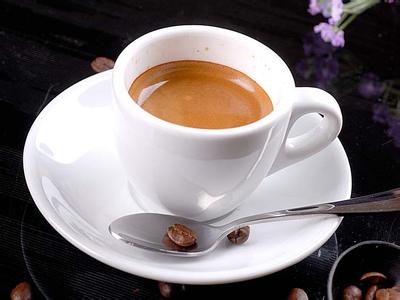
On the first taste, focus on broad categories: is it a bright, light-bodied African coffee or a heavier, low-acid Southeast Asian one? For example, Ethiopian beans often show high acidity and a light, tea-like body, while Sumatran beans tend to feel fuller and have lower acidity. On the second pass, go deeper: is there sweetness, saltiness, or savory notes? Look for flaws like mustiness or charcoal. Try to identify processing traits — fruitiness may suggest natural drying, while earthiness could point to wet hulling. The more you slurp and analyze, the clearer the differences become.
Frequently Asked Questions
Do I really need 3 sets of 3 cups to taste coffee properly?
No, you don’t absolutely need 9 cups, but using 3 sets of 3 identical cups (one set per coffee, 3 cups each) lets you taste each coffee multiple times and check for consistency. It’s the professional standard for blind cupping and helps eliminate variables. You can start with fewer, but the more controlled your setup, the fairer your comparisons.
What’s the best grind size for cupping coffee at home?
The ideal cupping grind size is uniform, around 0.2–0.6 mm, with 7–8% of particles in that range. It should be similar to what works for drip coffee — not too fine or it over-extracts, not too coarse or it under-extracts. Avoid blade grinders, as they create inconsistent particle sizes unsuitable for balanced cupping.
How much coffee and water should I use per cup for cupping?
Use 10–12 grams of coffee per cup, and add water to fill a medium cup to the rim — about 150–180 ml. Most professionals use roughly a 1:15 to 1:18 brew ratio. For exactness, weigh your coffee and aim to have the water level just touching the cup’s edge for consistency across samples.
Can I use ceramic cups instead of glass for coffee cupping?
Yes, you can use ceramic cups, but many pros prefer clear glass with a wider rim because it helps release and observe aromas better. If using ceramic, make sure all cups are identical in size, shape, and color to avoid influencing the tasting experience.
Why do I need to slurp coffee during cupping?
Slurping aerates the coffee, spraying it across your entire palate — including the back, sides, and tongue — which helps you better assess acidity, sweetness, body, and flavor complexity. It’s not about manners; it’s the most effective way to evaluate all aspects of the coffee’s profile in one go.
How important is it to rinse my spoon between tastings?
It’s critical. Rinsing your spoon between each coffee removes residual flavors and prevents cross-contamination, ensuring your taste buds aren’t fooled by leftover notes. It’s one of the simplest ways to maintain accuracy when comparing multiple coffees.
Recommended FrontStreet Beans for Home Cupping
For cupping at home, try FrontStreet Ethiopia Humbera (Yirgacheffe) for bright floral and citrus notes with a light body, FrontStreet Lintong Mandheling for deep, earthy tones with a heavier mouthfeel, and FrontStreet Brazil Queen Manor for smooth nuttiness with hints of caramel. These represent distinct origins and processing styles, ideal for comparison. Freshly roasted within 5 days · Orders placed before 17:00 ship the same day · Next-day delivery across most of Guangdong Province.
FrontStreet Coffee is a long-established specialty coffee roaster in Guangzhou China, selling freshly roasted beans from its own farm in Yunnan as well as dozens of carefully selected single-origin beans from around the world for both pour-over and espresso. The products deliver consistently excellent quality and great value, with shipping within 24 hours. Guangzhou's FrontStreet Coffee shop is recommended by many coffee lovers, and the beans are now available online at the Tmall 。
Important Notice :
前街咖啡 FrontStreet Coffee has moved to new addredd:
FrontStreet Coffee Address: 315,Donghua East Road,GuangZhou
Tel:020 38364473