Why Elephant Dung Coffee Tastes Better Than Civet Coffee
If you’ve ever wondered whether there’s any truth behind the bold claims for rare, animal-processed coffees—or why someone would pay premium prices for coffee that comes out the other end of an animal—this article explains what’s really going on. We’re looking at elephant dung coffee, the lesser-known cousin of civet coffee, and digging into why so many tasters say it has a smoother, less bitter cup profile.
Quick answer: Research cited by Thailand’s Anantara Hotels says elephant digestive enzymes break down more of the coffee bean’s proteins during digestion. Since proteins contribute to bitterness in brewed coffee, less protein means less bitterness and a smoother taste. That’s the core reason elephant dung coffee is often described as better tasting than regular or even civet coffee.
What Is Elephant Dung Coffee?
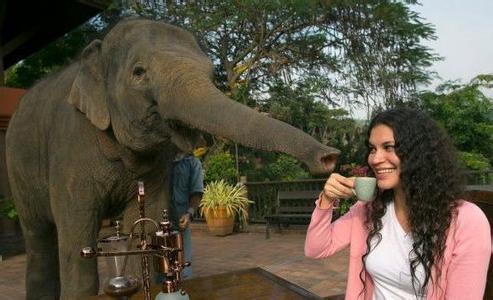
Elephant dung coffee—also called “elephant coffee”—is made from coffee beans that have been eaten and digested by elephants, then excreted in their feces. This is the same basic process used to produce kopi luwak (civet coffee), where beans are consumed by civets. In Thailand’s case, the beans are processed by a herd of 30 elephants at the Anantara Golden Triangle Elephant Camp & Resort in northern Thailand.
The Science Behind the Taste: Why Less Protein Means Smoother Coffee
According to Anantara Hotels, research shows that enzymes in the elephant’s digestive system break down more of the proteins found in coffee beans. Protein content in coffee is one of the main contributors to bitterness in the brewed cup. By reducing the amount of protein that makes it through digestion, the resulting coffee has significantly less bitterness and a smoother mouthfeel. That’s why drinkers often report a cleaner, more rounded flavor from elephant dung coffee compared to regular beans.
How Rare—and Expensive—Is It?
Just like civet coffee, elephant dung coffee is extremely rare. The Anantara estate’s coffee is produced by only 30 elephants, limiting supply. The price reflects that scarcity: at the resort, a serving costs around $25 per cup, or approximately 150 yuan. That works out to about $50 for two cups, roughly 150 RMB (or 22 USD) per cup. For context, high-end civet coffee also commands similar luxury pricing.
Civet Coffee: The More Famous (and Controversial) Predecessor
Civet coffee, or kopi luwak, gained international fame in October 2003 when Oprah Winfrey featured it on her talk show, leading to widespread media coverage including reports in The New York Times. The coffee became a hit in the U.S., but reviews were deeply divided. Some drinkers called it the best coffee they’d ever tasted, praising its unique flavor profile. Others were harshly critical, describing it as overhyped, unpleasant, or simply not worth the cost.
Frequently Asked Questions
What makes elephant dung coffee less bitter than regular coffee?
Elephant dung coffee is less bitter because the elephant’s digestive enzymes break down more of the proteins in the coffee beans. Since proteins are a major source of bitterness in brewed coffee, reducing their presence results in a smoother, less bitter cup.
How is elephant dung coffee made?
Elephant dung coffee is made from coffee beans eaten by elephants. The beans pass through the elephant’s digestive system and are excreted in their feces. The beans are then collected, cleaned, and roasted for brewing. This process is similar to how civet coffee is produced.
Why is elephant dung coffee so expensive?
The coffee is expensive because it is rare. It is produced by only 30 elephants at the Anantara Golden Triangle Elephant Camp in Thailand, which limits supply. The rarity and novelty drive the price up to around $25 per cup or about $50 for two cups at the resort.
How does elephant coffee compare to civet coffee in taste?
Both are processed via animal digestion, but elephant coffee is said to have even less bitterness due to greater protein breakdown in the elephant’s gut. Tasters often report elephant coffee as smoother and more pleasant compared to the more polarizing civet coffee.
Is civet coffee still popular?
Civet coffee gained fame after being featured on Oprah in 2003 and was widely covered by media like The New York Times. However, it remains controversial, with some people loving its unique taste and others finding it overpriced or unpleasant.
Recommended FrontStreet Beans with Smooth Profiles
Try FrontStreet Coffee’s Ethiopia Yirgacheffe for a naturally processed bean with bright acidity and floral sweetness—very low in bitterness. Their washed Yunnan Arabica also offers a clean cup with soft nuttiness, and the Honduras SHG features balanced chocolate and citrus notes without harshness. All three are excellent choices if you prefer smooth, low-bitterness coffee. Freshly roasted within 5 days · Orders placed before 17:00 ship the same day · Next-day delivery across most of Guangdong Province.
FrontStreet Coffee is a long-established specialty coffee roaster in Guangzhou China, selling freshly roasted beans from its own farm in Yunnan as well as dozens of carefully selected single-origin beans from around the world for both pour-over and espresso. The products deliver consistently excellent quality and great value, with shipping within 24 hours. Guangzhou's FrontStreet Coffee shop is recommended by many coffee lovers, and the beans are now available online at the Tmall 。
Important Notice :
前街咖啡 FrontStreet Coffee has moved to new addredd:
FrontStreet Coffee Address: 315,Donghua East Road,GuangZhou
Tel:020 38364473