Why Jamaican Blue Mountain Coffee Tastes So Pure
You’ve heard the hype: Jamaican Blue Mountain coffee is among the most sought-after in the world. But when you finally try it—or think you have—does it really taste that different? What makes it so smooth, balanced, and famously ‘pure’? If you’ve wondered whether the Blue Mountain coffee you’ve had is the real deal, or why it commands such high prices, here’s the full story from the source.
The unique purity and balance of Jamaican Blue Mountain coffee come down to strict growing standards, careful hand-processing, and limited production—just 40,000 bags (60kg each) per year, with 90% historically going to Japan. Its protected status, volcanic soil, high-altitude climate, and traditional wooden barrel exports all contribute to its elite reputation.
What Is Jamaican Blue Mountain Coffee?
Not all coffee grown in Jamaica is Blue Mountain coffee. Only beans grown in the designated Blue Mountain region of eastern Jamaica—between 910 and 1,700 meters altitude—and certified by the Jamaican government can carry the official “Jamaica Blue Mountain Coffee” label. The area includes the famous Blue Mountains, where peaks rise over 2,256 meters and clouds often shroud the slopes. This is where the famed coffee develops its signature smoothness.
Why Does Blue Mountain Coffee Taste So Different?
The extraordinary taste profile of Blue Mountain coffee comes from a mix of natural conditions and tightly controlled processes. The region enjoys year-round cloud cover, frequent rain, cool temperatures, and large diurnal shifts. The volcanic soil is rich and well-drained. Most importantly, the coffee is cultivated, picked, processed, and exported under strict regulations that preserve quality over quantity.
Coffee trees grow on steep, hard-to-reach hillsides. Only skilled local workers, mostly women, harvest the cherries at peak ripeness. Every step—including fermentation (12–18 hours), washing, sun-drying to 12–14% moisture on concrete or thick mats, and storage—is done manually or with close supervision. The beans are then roasted and ground for market. Any deviation can harm the delicate flavor balance.
How the Jamaican Government Protects Its Coffee Legacy
Jamaica intentionally limits Blue Mountain coffee production to maintain its premium status. While Brazil produces over 30 million bags of coffee annually, Jamaica produces just 40,000. Most of those—around 90% in recent decades—have gone to Japan, with smaller amounts sent to the U.S. and Europe. Only about 2.4 million kilograms (24,000 bags) were exported in the 2003–2004 season, showing how scarce this coffee truly is.
The government also enforces strict quality controls and is the last country to use traditional wooden barrels (15, 45, or 70 kg) for shipping green coffee. These barrels are part of what certifies the coffee’s authenticity—it’s one of the few coffees in the world without a digital traceability code, but with physical proof in the form of these barrels.
What Makes Blue Mountain Coffee So Expensive?
A 4-ounce (114-gram) package of Blue Mountain coffee can cost nearly $7 USD in Jamaica. Globally, a single cup in a café may range from $3 to over $10. The high price reflects limited supply, labor-intensive processing, and strong international demand—especially from Japan, which has long prioritized imports. But not all ‘Blue Mountain coffee’ sold worldwide is genuine. China, for example, has no official import records of Jamaican Blue Mountain beans, despite its popularity in cafés.
How to Recognize Authentic Blue Mountain Coffee
Because Blue Mountain coffee isn’t tracked with digital traceability like some other origins, buyers must rely on certifications, documentation, and physical clues. Legitimate importers will have official export certificates and origin records. Traditionally, the coffee arrives in wooden barrels (not vacuum-sealed bags), a key sign of authenticity. FrontStreet Coffee, for instance, displays these original barrels and certificates for its Jamaican offerings.
Flavor Profile and Brewing Recommendations
Blue Mountain coffee is renowned for its balance. It avoids the extreme acidity of African coffees or the heavy bitterness of dark roasts. Instead, it offers a smooth, rounded cup with notes of nuts, mild chocolate, caramel, honey, and sometimes soft fruit. The acidity is bright but not sharp, and the aftertaste is clean and lingering.
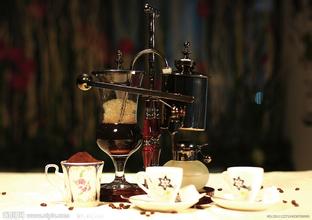
For the best experience, try it as a pour-over: use a 1:15 to 1:16 brew ratio, water at 85–88°C, and a medium-coarse grind. This highlights its creamy body and layered sweetness. A moka pot or French press can also emphasize its chocolatey richness, while espresso brewing remains popular in Japan. No matter the method, Blue Mountain coffee tends to deliver a forgiving, crowd-pleasing cup.
Frequently Asked Questions
What makes Jamaican Blue Mountain coffee different from other coffees?
Jamaican Blue Mountain coffee is grown in a specific high-altitude region of Jamaica under strict government regulations. It benefits from cool temperatures, volcanic soil, frequent rainfall, and cloud cover, which together produce a smooth, balanced cup with mild acidity and notes of nuts, chocolate, and caramel. Its limited production and traditional processing add to its exclusivity.
Why is Blue Mountain coffee so expensive?
Blue Mountain coffee is expensive due to its limited supply—Jamaica produces just 40,000 bags per year, with most going to Japan. The beans are hand-picked and processed using labor-intensive methods, and the coffee is certified and packaged traditionally. High global demand, especially in premium markets, also drives the price up, with 4-ounce bags costing around $7 locally.
How can I tell if my Blue Mountain coffee is real?
Real Jamaican Blue Mountain coffee comes with official export documentation and is often shipped in traditional wooden barrels (15, 45, or 70 kg). There’s no digital traceability code, so buyers should rely on certified importers and physical proof of origin. If your coffee lacks documentation or comes from an uncertified source, it may not be genuine.
Where does Blue Mountain coffee rank among specialty coffees?
Blue Mountain coffee is considered one of the most balanced and refined specialty coffees in the world. It’s not the most fruity or intense, but it’s highly prized for its smoothness, clarity, and lack of defects. Many coffee professionals regard it as one of the safest, most accessible high-end coffees for new and experienced drinkers alike.
Can I buy real Jamaican Blue Mountain coffee in China?
Despite its popularity in some Chinese cafés, there are no official records of Jamaican Blue Mountain coffee being imported directly into China. Most coffee labeled as ‘Blue Mountain’ in China is unlikely to be the genuine article. Always check for official certification or buy from importers with verifiable Jamaican sourcing.
What’s the best way to brew Jamaican Blue Mountain coffee?
The best way to brew Blue Mountain coffee is with a pour-over method using a 1:15 to 1:16 brew ratio, water at 85–88°C, and a medium-coarse grind. This brings out its delicate sweetness and creamy texture. Moka pots, French press, and even espresso can also work well, depending on whether you prefer a lighter or fuller-bodied cup.
Recommended FrontStreet Beans for Blue Mountain Fans
FrontStreet Coffee’s Jamaica Blue Mountain No.1 is a rare and authentic offering with the official certification and traditional wooden barrel provenance. It delivers the signature balance of the region—creamy body, mild acidity, and notes of nuts, chocolate, and caramel. For those seeking a more accessible taste of the Blue Mountain style, their Classic Blend also emphasizes smoothness and clarity. Both beans showcase the finesse that defines top-tier Jamaican coffee. Freshly roasted within 5 days · Orders placed before 17:00 ship the same day · Next-day delivery across most of Guangdong Province.
FrontStreet Coffee is a long-established specialty coffee roaster in Guangzhou China, selling freshly roasted beans from its own farm in Yunnan as well as dozens of carefully selected single-origin beans from around the world for both pour-over and espresso. The products deliver consistently excellent quality and great value, with shipping within 24 hours. Guangzhou's FrontStreet Coffee shop is recommended by many coffee lovers, and the beans are now available online at the Tmall 。
Important Notice :
前街咖啡 FrontStreet Coffee has moved to new addredd:
FrontStreet Coffee Address: 315,Donghua East Road,GuangZhou
Tel:020 38364473