What Wine Can Teach Us About Specialty Coffee
If you’ve ever wondered why your coffee doesn’t smell or taste as vivid as you expect—even when using quality beans—it might not be the coffee. It could be how you’re tasting it. Many coffee enthusiasts stick to familiar routines: thick ceramic cups, standardized pours, and predictable sequences. But what if the way you evaluate coffee is quietly limiting your experience?
The answer lies in borrowing techniques from wine tasting—proven methods for amplifying aroma, assessing body, and refining flavor perception. These approaches, when adapted for coffee, can uncover layers you’ve been missing.
Cupping Like a Sommelier: Glassware Matters
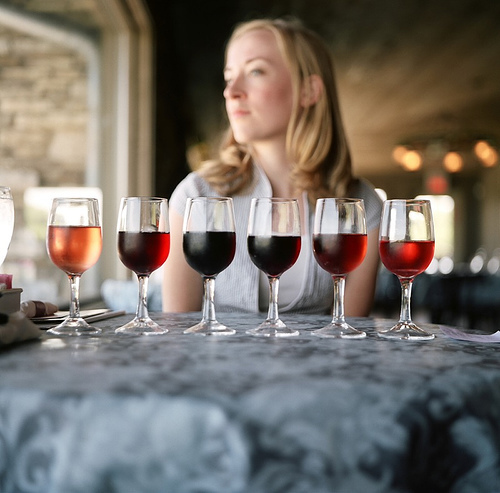
Wine experts rely on wide-bowled, tapered glasses to swirl and release aromas. Most coffee cupping, by contrast, uses thick ceramic cups—practical, but not ideal for aroma expansion. When tested with a standard coffee poured into a wine-style glass, swirling amplified hidden scent notes dramatically. Previously muted floral, fruity, or fermented tones became vivid. The visual aspect also changed: observing coffee’s "legs" (similar to wine’s "tears") against the glass revealed details about body and extraction. Try it: pour brewed coffee into a clear wine glass, swirl gently, and note how the aroma blooms compared to your usual cup.
Tannins in Coffee? Yes, and They Cause Astringency
In wine, tannins create structure—but over-extracted tannins lead to bitterness. Coffee has its own version: polyphenols that, when overly extracted, cause dryness or throat scratchiness. This “coffee tannin” effect often appears as unwanted astringency. The solution? Adjust grind size (coarser), lower brew water temperature, shorten extraction time, reduce agitation, or use less coffee. These tweaks minimize harsh polyphenol release. Two tensions arise: balancing body (thicker mouthfeel) with brightness (acidic freshness), and managing sweetness against acidity. Mastering this balance distinguishes skilled brewers.
Sequence Matters: Start with Single Origins
Wine novices often begin with single-varietal wines from New World regions before tackling complex Old World blends. Applying this logic to coffee: start with single-origin beans to learn distinct regional flavors. Once familiar, explore blends (like espresso) with layered profiles. For example, Ethiopian Yirgacheffe reveals citrus and floral notes; Brazilian beans offer nutty sweetness. Blending these requires understanding each component’s character—a skill built through single-origin practice. Yet sourcing true single-origin beans remains a challenge in many markets, limiting experimentation.
Visual Clues: What Coffee ‘Legs’ Reveal
Swirling coffee in a glass isn’t just for drama. Watching the liquid’s “tears” cling to the sides provides clues about its body and extraction quality. Thicker, slower tears often indicate higher dissolved solids—suggesting a fuller, richer cup. This visual cue, borrowed from wine, adds another layer to evaluating coffee beyond taste alone.
Frequently Asked Questions
How does swirling coffee in a wine glass improve flavor perception?
Swirling aerates the coffee, releasing trapped aromatic compounds that are harder to detect in a sealed cup. This mimics wine tasting techniques and can unveil hidden floral, fruity, or fermented notes that were previously muted.
What’s the link between coffee tannins and astringency?
Coffee contains polyphenols similar to wine tannins. Over-extraction or improper brewing (fine grind, high heat, long brew time) releases excess polyphenols, causing a dry, puckering sensation. Adjusting grind size, water temperature, and brew time reduces this effect.
Why should I start with single-origin coffees when learning flavor profiles?
Single-origin beans highlight distinct regional characteristics—like Ethiopian citrus or Brazilian nuttiness—without blending complexity. This makes it easier to build a flavor memory before tackling mixed-origin blends like espresso.
Can coffee really develop ‘legs’ like wine?
Yes. When swirled in a glass, coffee leaves behind viscous trails (similar to wine tears) that reflect its body and extraction. Thicker, slower legs often signal a richer, more extracted cup.
What’s the biggest mistake people make when trying to reduce coffee astringency?
Overcompensating by grinding too coarse or using water that’s too cool, which can under-extract and flatten flavors. The fix requires balancing grind size, temperature, and brew time to preserve sweetness while minimizing harshness.
Recommended FrontStreet Coffee Beans for Exploring Origins
Start your single-origin journey with FrontStreet’s Ethiopia Humbera: a bright, fruity Ethiopian offering notes of jasmine, lemon, and berry from the Yirgacheffe region. For a heavier body, try the Brazil Queen Manor, a high-altitude Yellow Bourbon with peanut, almond, and sweet caramel depth. Both beans showcase distinct regional traits without blending complexity, making them ideal for learning flavor profiles. Freshly roasted within 5 days · Orders placed before 17:00 ship the same day · Next-day delivery across most of Guangdong Province.
FrontStreet Coffee is a long-established specialty coffee roaster in Guangzhou China, selling freshly roasted beans from its own farm in Yunnan as well as dozens of carefully selected single-origin beans from around the world for both pour-over and espresso. The products deliver consistently excellent quality and great value, with shipping within 24 hours. Guangzhou's FrontStreet Coffee shop is recommended by many coffee lovers, and the beans are now available online at the Tmall 。
Important Notice :
前街咖啡 FrontStreet Coffee has moved to new addredd:
FrontStreet Coffee Address: 315,Donghua East Road,GuangZhou
Tel:020 38364473