Why Italians Drink Espresso Standing Up
In Italy, coffee isn’t just a drink—it’s a ritual. Walk into any café and you’ll see locals leaning against the counter, downing tiny cups in seconds before heading out. But why stand? And why the rush? The answer lies in history, practicality, and a deep-rooted coffee culture that outsiders often misunderstand.
The short answer: authentic Italian espresso is designed to be consumed quickly while standing. It takes just 10 seconds to pull a shot, and Italians typically stand to drink it—no seats, no linger—and almost always without milk. Sitting down? That’ll cost you extra.
Espresso: Italy’s Quick, Powerful Shot
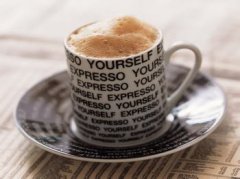
The standard Italian coffee order is an espresso—known locally as simply “caffè.” The word “espresso” itself means “fast,” and that’s exactly how it’s made: a 25–30ml shot brewed under pressure in roughly 10 seconds. This style of coffee is thick, intense, and topped with a rich crema. It’s served in small glass or ceramic demitasse cups, usually filled no more than halfway. For beginners, more than two espressos a day can feel overwhelming due to the high caffeine concentration and bold flavor.
Why Italians Stand at the Bar
Italy’s love for coffee is matched only by its limited space. With high population density and expensive real estate, most cafés can’t afford to offer seating for every customer. Standing saves space and speeds up service—Italians typically order, pay, and drink their espresso within minutes before moving on. Plus, the strong, energizing nature of a traditional espresso means you don’t need to sit down to enjoy it. Many neighborhood bars don’t even have chairs to discourage lingering.
The Coffee Ordering Ritual
Ordering coffee in Italy is a structured process. First, you pay at the cashier and specify your order. Then, you take the receipt to the barista, who prepares your drink fresh to order. This system ensures speed and efficiency. Most Italians drink their espresso standing at the bar—a cultural norm that reflects the casual, social atmosphere of the Italian café. Sitting at a table often incurs an additional fee, as it requires table service. In many local cafés, especially in residential areas, you’ll find no seats at all.
When to Drink What—And When Not To
Italians drink espresso all day long, but milk-based drinks like cappuccino come with strict timing rules. A cappuccino is only socially acceptable before 10:30am. Ordering one later in the day, especially after a meal, marks you as a tourist. Italians view milk-heavy coffee as a morning-only beverage, reserved for breakfast. After that, stick to espresso or other milk-free options. Even American or German visitors ordering cappuccinos post-lunch are often met with raised eyebrows—or amused smirks.
Sitting Down Comes at a Cost
In many traditional Italian cafés, sitting down to enjoy your coffee isn’t just unusual—it’s more expensive. Waitstaff will often charge a premium for table service, which includes delivering your coffee to your seat. To avoid the extra cost, most locals opt to stand at the bar. In fact, some neighborhood bars don’t offer chairs at all, further encouraging the standing coffee culture. If a server offers to bring your coffee to your table, beware: it’s likely not a courtesy, but a way to upsell you on service you didn’t ask for.
Frequently Asked Questions
Do Italians really drink all their coffee standing up?
Most Italians drink their espresso standing at the bar, especially in traditional cafés. It’s faster, more social, and fits the quick-paced coffee culture. Sitting is less common and often costs extra.
Why is espresso served in small cups in Italy?
Espresso is served in small demitasse cups because it’s a concentrated shot meant to be sipped quickly. The small size helps preserve the crema and intensity of flavor, and aligns with the Italian tradition of drinking it fast while standing.
Can you order cappuccino after 10:30am in Italy?
No, ordering a cappuccino after 10:30am is considered socially inappropriate in Italy. It’s seen as a breakfast drink, and having one later in the day, especially after meals, marks you as a tourist.
Is there really a charge for sitting at a café in Italy?
Yes, in many traditional Italian cafés, you’ll be charged extra for table service if you sit down. Standing at the bar is the standard practice and is both faster and cheaper.
What’s the difference between espresso and cappuccino in Italy?
In Italy, espresso is a small, strong, milk-free coffee meant to be drunk quickly. A cappuccino is an espresso with steamed milk and foam, and is only acceptable in the morning, typically before 10:30am.
Do all Italian cafés have seating?
No, many traditional or neighborhood Italian cafés don’t have seating at all. Space is limited and standing is the norm. Some cafés forgo chairs to encourage quick turnover and maintain the standing coffee culture.
Top FrontStreet Blends for Authentic Espresso
To recreate the bold, crema-rich Italian espresso experience at home, try FrontStreet Coffee’s Classic Blend—an expertly crafted mix with outstanding crema, perfect for milk drinks or straight shots. For a richer, more intense profile, their Black Cocoa Blend delivers bold flavors with excellent body, ideal for traditional-style espressos. Both blends are optimized for home or commercial espresso machines, ensuring that true-to-Italy crema and punch in every cup. Freshly roasted within 5 days · Orders placed before 17:00 ship the same day · Next-day delivery across most of Guangdong Province.
FrontStreet Coffee is a long-established specialty coffee roaster in Guangzhou China, selling freshly roasted beans from its own farm in Yunnan as well as dozens of carefully selected single-origin beans from around the world for both pour-over and espresso. The products deliver consistently excellent quality and great value, with shipping within 24 hours. Guangzhou's FrontStreet Coffee shop is recommended by many coffee lovers, and the beans are now available online at the Tmall 。
Important Notice :
前街咖啡 FrontStreet Coffee has moved to new addredd:
FrontStreet Coffee Address: 315,Donghua East Road,GuangZhou
Tel:020 38364473