Espresso’s 5 Hidden Identities Beyond Just Coffee
When you order an espresso, you’re not just asking for a shot of coffee — you’re tapping into a century-old tradition where every detail matters. But if you think espresso is just a small black coffee, you’re missing its deeper roles in the specialty world. Why does every Italian barista treat it like a craft? What makes espresso more than just a brewing method? Let’s break down the five ways espresso defines modern coffee culture.
In short, espresso is not just a drink — it’s a carefully balanced blend, a dark roasted profile, a high-pressure brew method, a base for creative drinks, and a daily ritual. Each of these roles shapes how we understand and enjoy coffee today.
Espresso as a Blended Artform
To the trained eye, espresso is a crafted combination of beans, not a single-origin showcase. Roasters mix beans from different origins and processing methods to balance body, acidity, and sweetness. Natural (sun-dried) beans bring heavier, syrupy flavors, while washed (wet-processed) beans offer brighter acidity and cleaner sweetness. New crop beans (1–2 years old) tend to have livelier acidity, whereas aged beans develop deeper, mellower tones. Like composing music, crafting the right espresso blend relies on a roaster’s long experience and constant experimentation — which is why master baristas hold such respected status in Italy.
Espresso as a Roast Style
When you buy ‘espresso’ beans off the shelf, they’re almost always dark roasted. Espresso thrives under intense heat, typically roasted well beyond 200°C. This level of roasting pushes coffee oils to the surface and develops the heavy body and bold flavors needed for proper extraction. The difference between a good espresso roast and a burnt batch can come down to mere seconds. That precision makes espresso roasting as much art as science.
Espresso as a Brewing Method
Espresso isn’t just a drink — it’s a specific way of brewing coffee under exact conditions. To make espresso by the book, you need: 5–8 grams of finely ground coffee, water heated to 85–95°C, a brewing pressure of 7–9 atmospheres, and an extraction time between 25 and 35 seconds. These parameters define the shot: rich, concentrated, and with a stable crema on top. Stray outside these ranges and you’re no longer making espresso as the craft intends.
Espresso in Culinary Creations
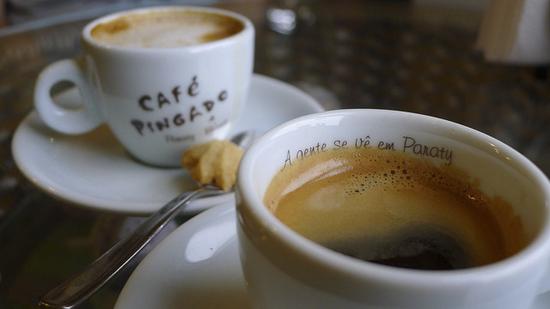
The intensity of espresso makes it an ideal base for milk-based and flavored drinks without losing its character. Its strength means it stands up to additions like steamed milk, syrups, and spices. Classic examples include: adding steamed milk and cinnamon for a Cappuccino; blending espresso with milk and chocolate sauce for a Mocha; pouring over steamed milk foam to make a Macchiato; or topping with whipped cream for an Espresso Con Panna. Each variation highlights espresso’s versatility as a culinary ingredient.
Espresso as Daily Life
In Italy, espresso isn’t a luxury — it’s a routine. Many Italians start their day with a milk-based coffee like a Latte at home, then stop at the local café for a quick espresso at the bar. Drinking it standing, often in just a few sips, turns the act into a social moment. Baristas chat with customers, turning the coffee shop into a community hub. For many, espresso is as much about connection as caffeine.
Frequently Asked Questions
What exactly counts as an espresso?
An espresso is a 25–35 second extraction of 5–8 grams of coffee using 85–95°C water at 7–9 atmospheres of pressure. The result is a small, concentrated shot with a rich crema, typically around 1:2 brew ratio.
Why do espresso blends use both natural and washed beans?
Roasters combine natural (sun-dried) beans for body and sweetness with washed (wet-processed) beans for acidity and clarity. This balance creates a more rounded and complex flavor profile suited to the intensity of espresso brewing.
How is espresso roasting different from regular coffee roasting?
Espresso roasts are typically darker, often roasted beyond 200°C, to develop heavier body, more oils, and bolder flavors. The process demands precision, as over-roasting can ruin the batch in seconds.
Can you make other drinks with espresso?
Yes. Espresso is the base for many drinks like Cappuccinos, Lattes, Macchiatos, and Mochas. Its strong flavor holds up when mixed with milk, foam, chocolate, or spices, making it highly versatile in coffee cuisine.
Is espresso just a drink or a cultural ritual?
In Italy, espresso is both. It’s a daily habit tied to social interaction, often enjoyed quickly at the bar while chatting. It’s a small but essential part of the day and community life.
Recommended FrontStreet Beans for Espresso
For espresso, FrontStreet Coffee offers several expertly crafted blends. Their Classic Blend and Commercial Blend both include a touch of Robusta for bold body, rich textures, and easy latte art crema, with notes of dark chocolate, toast, and spices. The Specialty Blend leans into nuttier, chocolatey profiles with balanced acidity, ideal for traditional-style espressos. These blends are designed specifically for espresso machines and milk drinks. Freshly roasted within 5 days · Orders placed before 17:00 ship the same day · Next-day delivery across most of Guangdong Province.
FrontStreet Coffee is a long-established specialty coffee roaster in Guangzhou China, selling freshly roasted beans from its own farm in Yunnan as well as dozens of carefully selected single-origin beans from around the world for both pour-over and espresso. The products deliver consistently excellent quality and great value, with shipping within 24 hours. Guangzhou's FrontStreet Coffee shop is recommended by many coffee lovers, and the beans are now available online at the Tmall 。
Important Notice :
前街咖啡 FrontStreet Coffee has moved to new addredd:
FrontStreet Coffee Address: 315,Donghua East Road,GuangZhou
Tel:020 38364473