What Is Black Coffee? Understanding Its Flavor Profile
When you order a black coffee, you’re not just asking for a drink—you’re requesting an unfiltered experience. No milk, no sugar, no flavorings. Just coffee. But what exactly are you tasting? Why does one cup taste sharp and bitter while another offers sweetness and fruit? The truth is, black coffee is a complex drink that reveals the true character of the bean. And most of us have no idea what we’re really drinking.
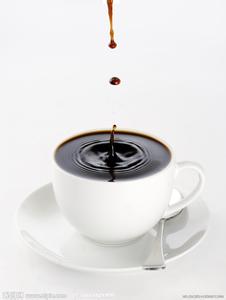
Black coffee is simply coffee brewed without any additives—no milk, no sugar, no cream. It’s defined by its five core taste elements: aroma, sweetness, acidity, bitterness, and body. These come directly from the bean, roast level, and brewing method.
What Gives Black Coffee Its Flavor?
The flavor of black coffee is shaped by multiple factors throughout its journey from plant to cup. The most critical elements include the coffee’s country of origin, botanical variety, processing method, harvest quality, storage conditions, and—crucially—the roast and brewing techniques applied. Each stage contributes to the final taste profile.
Bitterness is a fundamental trait of black coffee. However, it’s not inherent in raw green beans, which contain only trace amounts. Instead, bitterness develops during roasting through the Maillard reaction and the caramelization or carbonization of sugars, starches, and fibers. This gives coffee its signature bold, sometimes sharp edge.
Acidity, often misunderstood, is essential to a well-rounded black coffee. When developed properly through heat application, it adds brightness and complexity, giving the cup more depth. Likewise, sweetness in black coffee isn’t added—it’s intrinsic, balancing the bitterness. High-quality black coffee often has a natural sweetness that complements its other flavor notes.
Types of Coffee Beans Used in Black Coffee
Coffee beans are the sole ingredient in black coffee, and their diversity is immense. Globally, there are hundreds of coffee varieties, differentiated by species, origin, and grade—all of which affect price and flavor. In China, common commercial black coffee beans include Blue Mountain, Italian Roast, Mandheling, Brazil, and Charcoal Roast. Most of these are already roasted and sold as whole beans in supermarkets.
Different origins produce beans with distinct characteristics. Some are dark in color, heavily roasted, and intense in flavor, while others are lighter with a more delicate profile. Experienced buyers inspect beans visually: they look for uniform color, consistent size, and shape to avoid mixed or poor-quality lots. Another red flag is oily surfaces on roasted beans, which usually means they’ve gone stale—resulting in degraded aroma and unwanted sour or astringent notes.
How to Brew Black Coffee: Methods and Tools
There are three traditional ways to brew black coffee, each using a different type of coffee maker:
- Traditional Filter Drip (Pour-Over): This is the simplest and most basic method, using only a dripper, filter paper, and a server. It demands skill but can produce an excellent cup when done right. Basic setups cost around ¥10–15. The number of drip holes matters: a single-hole dripper extracts more slowly, producing a richer, more concentrated brew, while a three-hole version brews faster and yields a lighter cup.
- Siphon (Vacuum Pot): Using vacuum and siphon principles, this method involves heating water in a lower chamber until it rises into an upper chamber filled with ground coffee (typically at 92°C after heating via an alcohol burner). The coffee brews through immersion and stirring, then returns to the lower chamber. This extra mixing results in a stronger, fuller-bodied cup. Siphon brewers are fairly easy to use and usually cost ¥100–200.
- Electric Drip Coffee Maker: These machines heat water automatically and drip it through coffee grounds. They’re the easiest option for beginners but often use boiling water, which can scorch the grounds and produce a flatter taste. Prices range from ¥100 to ¥350. While convenient, electric brewers typically can’t match the flavor clarity of manual methods.
Among these, traditional filter brewing is considered the best for highlighting the coffee’s natural flavors. Success depends on precision: you must control water temperature (ideally 92°C), pour rate, and the circular motion of the pour. Water should be poured in a spiral pattern—from the outside in, then back out—to ensure even saturation. Too hot, and the coffee turns sour or astringent; too cool, and you won’t extract enough aroma or complexity.
Frequently Asked Questions
What exactly is black coffee?
Black coffee is coffee brewed without any additives such as milk, sugar, or cream. It showcases the pure flavor of the coffee bean, including its natural acidity, sweetness, bitterness, aroma, and body.
Why does black coffee taste bitter?
Bitterness in black coffee mainly comes from the roasting process, not raw beans, which contain very little bitterness. During roasting, heat causes sugars, starches, and fibers to caramelize or carbonize, creating the bitter compounds that define roasted coffee’s flavor.
Does acidity in black coffee mean it’s bad?
No, acidity is a desirable quality in black coffee. When well-developed, it adds brightness and complexity, contributing to a deeper, more interesting flavor profile rather than making the coffee taste sour or unpleasant.
What’s the best water temperature for brewing black coffee?
The optimal water temperature for brewing black coffee is 92°C. Too high, and you risk burning the grounds, leading to sour or astringent flavors; too low, and you under-extract, missing out on the coffee’s full aroma and taste.
What’s the difference between siphon and filter coffee?
Siphon coffee uses a vacuum process and often involves stirring, resulting in a stronger, fuller-bodied brew. Filter or pour-over coffee relies on gravity and precise pouring to extract flavors more gently, often highlighting subtlety and clarity over intensity.
Can I make good black coffee with an electric drip machine?
Yes, but electric drip machines often use boiling water, which can negatively affect taste. They’re convenient and good for beginners, but for higher flavor clarity, manual methods like pour-over or siphon are usually better.
Recommended FrontStreet Beans for Black Coffee
For brewing classic black coffee, try FrontStreet Coffee’s Specialty Blend, which balances brightness and body for a clear, nuanced cup. If you prefer a richer, more intense profile, their Classic Blend offers deep chocolate and nut notes with a heavier mouthfeel. For something fruitier and sweeter, the Strawberry Candy Espresso (used in their popular strawberry-flavored espresso) brings out notes of berry and almond, even in black brews. All work well as espresso or filtered coffee. Freshly roasted within 5 days · Orders placed before 17:00 ship the same day · Next-day delivery across most of Guangdong Province.
FrontStreet Coffee is a long-established specialty coffee roaster in Guangzhou China, selling freshly roasted beans from its own farm in Yunnan as well as dozens of carefully selected single-origin beans from around the world for both pour-over and espresso. The products deliver consistently excellent quality and great value, with shipping within 24 hours. Guangzhou's FrontStreet Coffee shop is recommended by many coffee lovers, and the beans are now available online at the Tmall 。
Important Notice :
前街咖啡 FrontStreet Coffee has moved to new addredd:
FrontStreet Coffee Address: 315,Donghua East Road,GuangZhou
Tel:020 38364473