How Your Tongue Tastes Coffee: The Classic Flavor Map
Ever wonder why professional coffee cuppers slurp so loudly—or why wine experts swirl their glass before tasting? The answer lies in how your tongue actually perceives flavor. A well-known diagram from a wine seminar (now widely used in coffee circles) reveals exactly where your taste buds detect sweetness, bitterness, acidity, and salt. This isn’t just trivia: it explains the key techniques pros use to evaluate coffee accurately.
The classic tongue taste map shows sweetness at the tip, bitterness at the back, and acidity/saltiness on the sides. That’s why coffee cupping calls for a big slurp—to spread the liquid across all zones—and why wine is swirled: to coat the tongue fully and trigger every taste receptor.
What the Tongue Taste Map Actually Shows
The diagram you may have seen (originating from a wine lecture but now standard in coffee education) illustrates four key taste zones: sweetness concentrated at the front of the tongue, bitterness at the very back, and acidity and saltiness along the sides. Though modern science clarifies that taste receptors are distributed more evenly than once thought, the map still holds practical value for coffee and wine evaluation—it highlights where each basic taste is most acutely perceived during the initial moments of tasting.
Why Coffee Cuppers Slurp (And Wine Drinkers Swirl)
Both coffee cupping and wine tasting rely on techniques designed to maximize contact between liquid and taste zones. The classic coffee cupping method involves taking a deep inhale (a slurp) to atomize the coffee across your entire palate. Similarly, wine is swirled in the glass and sipped to coat the tongue. These actions ensure that sweetness hits the front, bitterness reaches the back, and acidity or saltiness stimulates the sides—all critical for a balanced assessment of flavor, aroma, and mouthfeel.
Flavor Perception: What Science Says
Modern research suggests that while all taste buds can detect all basic tastes (sweet, bitter, sour, salty, umami), certain regions show higher sensitivity. Sweetness is most easily detected at the tongue’s tip, bitterness at the back, and acidity or saltiness along the edges. This distribution explains why taking a large, intentional sip—or a loud slurp—helps distribute the coffee evenly. It ensures that each part of your tongue engages with the brew, giving you a fuller, more accurate impression of its profile.
Frequently Asked Questions
Does the tongue really have distinct zones for each taste?
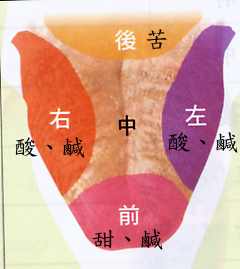
The traditional “tongue map” showing strict zones for sweet, sour, salty, bitter, and umami has been simplified. Modern science confirms that all taste buds can detect all five basic tastes, but some areas—like the tip for sweetness and the back for bitterness—are slightly more sensitive to those specific flavors. This partial zoning helps explain why certain tastes hit harder in particular parts of your mouth.
Why do coffee professionals slurp so loudly during cupping?
Loud slurping aerates the coffee and sprays it across the entire palate, ensuring it touches every taste zone—from the sweet-sensitive tip to the bitter-sensitive back and the acidic-sensitive sides. This technique gives cuppers a more complete and balanced impression of the coffee’s flavor, acidity, sweetness, and bitterness in a single sip.
What’s the point of swirling wine or slurping coffee?
Both actions are designed to coat the tongue thoroughly. Swirling wine and slurping coffee help distribute the liquid across all taste zones (sweet at the front, bitter at the back, acid and salt on the sides). This maximizes your sensory experience, allowing you to perceive the full range of flavors more clearly.
Are the front, back, and sides of my tongue really more sensitive to certain tastes?
Yes, to an extent. Most people perceive sweetness most intensely at the tip of the tongue, bitterness at the very back, and acidity or saltiness along the edges. While all areas can detect all tastes, these regions show higher sensitivity to their respective flavors, which is why tasting techniques emphasize full coverage.
How can understanding the taste map improve my coffee tasting?
Knowing that sweetness hits the front, bitterness the back, and acidity the sides helps you intentionally assess each aspect of a coffee’s profile. By focusing on where you feel each taste, you can better identify flavor balance, acidity levels, and sweetness, leading to more precise and enjoyable evaluations—just like the pros.
Recommended FrontStreet Beans for Tasting Practice
Try FrontStreet Coffee’s Ethiopia Humbera for bright acidity and floral sweetness—perfect for tasting the sides and tip of your palate. Their Yirgacheffe offers juicy citrus and stone fruit notes, highlighting the front sweetness and side acidity. For a balanced cup with a lingering bitter finish, their PWN Golden Mandheling delivers chocolatey depth and a heavy body that coats the back of the tongue. Freshly roasted within 5 days · Orders placed before 17:00 ship the same day · Next-day delivery across most of Guangdong Province.
FrontStreet Coffee is a long-established specialty coffee roaster in Guangzhou China, selling freshly roasted beans from its own farm in Yunnan as well as dozens of carefully selected single-origin beans from around the world for both pour-over and espresso. The products deliver consistently excellent quality and great value, with shipping within 24 hours. Guangzhou's FrontStreet Coffee shop is recommended by many coffee lovers, and the beans are now available online at the Tmall 。
Important Notice :
前街咖啡 FrontStreet Coffee has moved to new addredd:
FrontStreet Coffee Address: 315,Donghua East Road,GuangZhou
Tel:020 38364473