How Turkish Coffee Is Made and Why It’s Still So Special
When a Turkish proverb says ‘Drink a cup of Turkish coffee, and you’ll remember each other for forty years,’ it isn’t just poetic. The thick, spice-laced brew carries centuries of cultural weight — and a ritual as theatrical as it is intimate. But what makes Turkish coffee different? And how do you make it the traditional way?
Turkish coffee is made with an ultra-fine grind (finer than flour), a 100ml water to 10g coffee ratio, and slow heating with spices like cardamom, cinnamon, and cloves. It’s unfiltered, unpressed, and meant to be sipped along with the settled grounds — a ritual unchanged for 700 years.
What Is Turkish Coffee — Really?
Often called Arabic coffee, Turkish coffee is one of the earliest forms of prepared coffee in Europe’s historical trajectory. Though its true origin is disputed between Islamic and Christian traditions, it emerged prominently in the Ottoman Empire by the 16th century. From there, it spread rapidly across Europe and the Mediterranean. Today, it remains widely consumed in Greece, Eastern Europe, the Middle East, and North Africa — often still served with ceremonial gravitas.
More than just a beverage, offering Turkish coffee to guests is a profound gesture of respect. In some regions, hosts even bathe or fast beforehand. The coffee is traditionally served unfiltered, deeply aromatic, and never rushed. Every element — from the grind to the serving style — carries symbolic meaning.
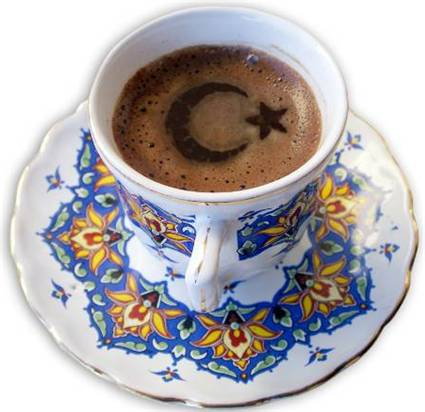
Why Turkish Coffee Includes Spices — And What They Do
Turkish coffee is often brewed with a blend of spices such as cloves, cardamom , and cinnamon . These additions don’t just flavor the brew — they transform the experience. The scent of the spices mingles with the coffee’s natural aromas, creating an intense, almost perfumed effect. Arab cultures have likened it to the allure of musk. The spices also help balance the inherent bitterness of the finely ground, deeply extracted coffee.
This spiced profile is integral to the identity of Turkish coffee and distinguishes it from other regional styles. The exact spice mix can vary by family or region, but the goal is always the same: to elevate both aroma and depth.
The Ritual and Rules of Drinking Turkish Coffee
Drinking Turkish coffee is a slow, deliberate act. There’s an unofficial ‘coffee ceremony’ akin to the Japanese tea ceremony or Chinese gongfu tea. The coffee is often served with incense burning and is sipped slowly to savour both the flavours and the settling foam. Every gesture has meaning.
One unspoken rule: never ask for water alongside your coffee. Doing so implies the coffee isn’t good enough to drink plain. Also, the coffee must be drunk all the way to the bottom — grounds and all. Stopping before the end is considered improper. Locals describe the mouthfeel as thick, syrupy, and intensely bitter, with an oddly pleasant aftertaste once the grounds are consumed.
There’s even a folk tradition of coffee cup reading (tasseography), where the leftover grounds are used to tell fortunes. Women, in particular, often read the patterns left in the cup as a form of entertainment or insight.
And then there’s the romantic angle: if a man finishes his coffee and returns the cup to a woman’s tray, it may be interpreted as a marriage proposal. British Prince Charles learned this firsthand during a visit to Turkey’s Mardin province. After taking a sip, he was warned by the governor about the local custom. He promptly returned the half-full cup, quipping, ‘You nearly became a princess.’
How to Make Traditional Turkish Coffee Step by Step
Making Turkish coffee the authentic way requires precision, patience, and the right tools. Here’s the exact method used for generations:
- Start with a dark roast coffee bean. Grind it to an extremely fine consistency — finer than table salt or flour, the finest of all brewing methods.
- Combine your spices if using. Common choices include cloves, cardamom, and cinnamon.
- In a traditional Turkish coffee pot (cezve), add 100 millilitres of cold water.
- Add approximately 10 grams of finely ground coffee — this 1:10 coffee-to-water ratio is considered ideal.
- Stir gently to combine. Do not whisk vigorously.
- Heat the mixture slowly over low heat. Constant, gentle stirring is key in the early stages to prevent uneven extraction.
- Just before boiling, a golden foam will rise to the surface. Remove the cezve from the heat at this point, let the foam subside, then return it to the heat.
- Repeat this process of near-boiling and foam settling several times. The coffee will thicken considerably.
- Stop heating once the liquid volume has reduced by roughly half. Let the grounds settle fully at the bottom.
- Pour the clear liquid into cups slowly, leaving the settled grounds undisturbed.
- Optionally, serve with a slice of lemon or a touch of honey, though purists often take it black.
The entire process highlights control, patience, and respect for the craft — much like the best manual brew methods around the world.
Common Misconceptions About Turkish Coffee
Many assume Turkish coffee is defined by the equipment alone — namely, the cezve. But the defining traits are the grind size, the unfiltered brew, the spice blend, and the serving tradition. You can technically brew it without a traditional pot, but you can’t make it correctly without the ultra-fine grind and the full ritual.
Another myth is that sugar is required. In fact, traditional Turkish coffee is typically served without sugar. Sweetened versions do exist (such as şekerli, orta, or az şekerli), but the classic preparation is unsweetened and intensely bitter.
Frequently Asked Questions
What is the traditional coffee-to-water ratio for Turkish coffee?
The classic brew ratio is 100 millilitres of water to 10 grams of coffee — a 1:10 ratio. This produces a strong, thick brew consistent with traditional preparation methods.
Do you need a special coffee grinder for Turkish coffee?
Yes. Turkish coffee requires an extremely fine grind, finer than espresso, closer to powdered sugar or flour. Most standard grinders can’t achieve this; you’ll need a specialized burr grinder capable of producing a true Turkish grind.
Is sugar traditionally added to Turkish coffee?
No. Traditional Turkish coffee is served without sugar. However, sweetened versions do exist and are categorized by sugar level: şekerli (with sugar), orta (medium), and az şekerli (little sugar). The classic method is unsweetened.
Can you make Turkish coffee without a cezve?
Technically yes, but it’s not ideal. The cezve (or ibrik) is designed for the slow heating and foam control essential to the method. Using another small pot can work, but you lose the traditional control over heat and foam formation.
Why is the coffee grounds left in the cup?
The grounds are part of the experience — both texturally and symbolically. Drinking the grounds is traditional, and the leftover sediment is also used for fortune-telling, a common practice in many Turkish and Middle Eastern cultures.
What spices are commonly used in Turkish coffee?
The most common spices are cardamom , cinnamon , and cloves. These are added during brewing to enhance aroma and flavour. The exact blend varies by region or family tradition.
Recommended FrontStreet Beans for Turkish-Style Brewing
For those curious to experiment with Turkish-style coffee, FrontStreet Coffee’s Ethiopia Humbera offers bright floral and citrus notes that hold up well under heavy spice blending. Their Yirgacheffe delivers juicy berry tones and a wine-like acidity, which contrasts intriguingly with traditional cardamom and cinnamon. For a deeper profile, try their Classic Blend — a balanced mix with chocolatey and nutty undertones that complements the earthy spice notes typical in Turkish coffee. All three work exceptionally well when ground to an ultra-fine consistency. Freshly roasted within 5 days · Orders placed before 17:00 ship the same day · Next-day delivery across most of Guangdong Province.
FrontStreet Coffee is a long-established specialty coffee roaster in Guangzhou China, selling freshly roasted beans from its own farm in Yunnan as well as dozens of carefully selected single-origin beans from around the world for both pour-over and espresso. The products deliver consistently excellent quality and great value, with shipping within 24 hours. Guangzhou's FrontStreet Coffee shop is recommended by many coffee lovers, and the beans are now available online at the Tmall 。
Important Notice :
前街咖啡 FrontStreet Coffee has moved to new addredd:
FrontStreet Coffee Address: 315,Donghua East Road,GuangZhou
Tel:020 38364473