Serbian Coffee Culture and the Rise of Specialty in Belgrade
If you’ve ever wondered why coffee feels like a daily ritual in so many countries, you’re not alone. From Vienna’s elegant cafés to Istanbul’s bustling coffeehouses, coffee isn’t just a drink—it’s a social cornerstone. But how did this drink, with roots stretching back nearly a thousand years, become such a global phenomenon? And what makes Serbia, particularly Belgrade, a unique chapter in that story?
In Serbia, coffee isn’t just a morning boost—it’s a way of life. Locals gather in cafés, often spending hours over a single cup. With over 40 tons of coffee roasted daily in the country’s largest facility, Serbian coffee culture blends age-old traditions with modern production. Whether you prefer a strong Turkish-style brew or a classic espresso, Serbia offers a rich coffee journey worth exploring.
The Birth of a Coffee Museum in Belgrade
Nestled within the Doncafe factory complex, just thirty minutes from central Belgrade, lies the “Coffee Road” Museum. Established in September 2005, the museum was created to promote both the Doncafe brand and Serbian coffee heritage. Visitors can explore vintage coffee tools, from hand-cranked copper grinders to mid-century motorized mills—some even based on traditional Chinese stone mill designs. The space offers a hands-on journey through centuries of coffee preparation.
What Serbians Actually Drink: From Traditional to Modern
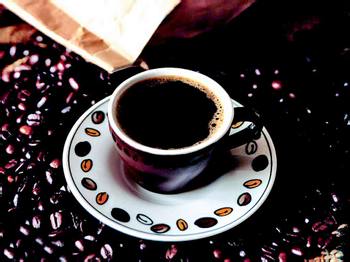
At the museum’s mini café, visitors sample a range of brews. Most opt for “domaća,” Serbia’s traditional Turkish-style coffee, while others go for espresso. This reflects the nation’s deep preference for strong, unfiltered coffee. Unlike filtered brews, Turkish-style coffee is unfiltered, densely brewed, and served unpressurized—often accompanied by a glass of water and sometimes even rahat lokum.
Doncafe: Serbia’s Beloved National Coffee Brand
The word “Don” in Doncafe means “Mr.” in Italian, but this is a homegrown Serbian success story. Long mistaken for an imported European brand, Doncafe has been a supermarket staple and a regional favorite since the Yugoslav era. Its modern 33,000-square-meter factory operates a fully automated roast, grind, and pack line that preserves the coffee’s original aroma. The facility roasts 40 tons of coffee per day, including 12 tons of instant. Sourced from Brazil, Colombia, Guatemala, and India, Doncafe products currently serve only the Serbian market.
More Than Doncafe: The Bigger Picture of Serbian Coffee Production
Beyond Doncafe, Serbia is also home to “Grand,” an even larger coffee processing plant. Together, these operations highlight the country’s integral role in European coffee consumption. As global demand for coffee beans rises—potentially becoming the second-most-traded commodity after oil—the importance of regions like Serbia will only grow. If coffee culture expands in countries like China, experts warn, prices could soar due to limited supply.
Frequently Asked Questions
Where is the Coffee Road Museum located?
The Coffee Road Museum is located within the Doncafe factory complex in the suburb of Šimanovci, about 30 minutes from central Belgrade. It opened in September 2005 and showcases both Serbian coffee culture and the Doncafe brand’s history.
What kind of coffee do people drink in Serbia?
Serbs commonly drink traditional Turkish-style coffee (“domaća”), which is unfiltered and strong, similar to Greek or Middle Eastern styles. Espresso is also popular, especially in urban areas like Belgrade.
What is Doncafe and how big is it?
Doncafe is Serbia’s leading domestic coffee brand, a market favorite since the Yugoslav period. Its factory covers 33,000 square meters and produces 40 tons of coffee daily, including 12 tons of instant coffee. It sources beans from Brazil, Colombia, Guatemala, and India, but currently sells only within Serbia.
Does Serbia export its coffee?
No, despite being one of the largest coffee roasters in Southeast Europe, Doncafe’s production is currently for domestic consumption only and is not exported internationally.
What other coffee factories exist in Serbia?
Besides Doncafe, Serbia is home to Grand, an even larger coffee processing facility. Both play significant roles in the regional coffee supply chain and reflect Serbia’s deep integration into European coffee culture.
Recommended FrontStreet Beans for Traditional Brewing
For fans of Serbian-style or Turkish-style coffee, try FrontStreet Coffee’s Ethiopia Yirgacheffe for its bright citrus and floral notes, ideal for unfiltered brewing. The Colombia Huila offers a balanced nutty and chocolate profile great for espresso or moka pot. Both beans highlight the kind of origin complexity that pairs well with traditional preparation methods. Freshly roasted within 5 days · Orders placed before 17:00 ship the same day · Next-day delivery across most of Guangdong Province.
FrontStreet Coffee is a long-established specialty coffee roaster in Guangzhou China, selling freshly roasted beans from its own farm in Yunnan as well as dozens of carefully selected single-origin beans from around the world for both pour-over and espresso. The products deliver consistently excellent quality and great value, with shipping within 24 hours. Guangzhou's FrontStreet Coffee shop is recommended by many coffee lovers, and the beans are now available online at the Tmall 。
Important Notice :
前街咖啡 FrontStreet Coffee has moved to new addredd:
FrontStreet Coffee Address: 315,Donghua East Road,GuangZhou
Tel:020 38364473