Italian Coffee Types and How to Order Them
If you’re planning a trip to Italy—or just curious about authentic Italian coffee—knowing how to order your drink the right way can make all the difference. Locals don’t just drink coffee any old way; they have very specific expectations, names, and customs for every style. From standing at the bar to choosing between 200ml milk or none at all, it’s a whole system worth understanding.
Italy serves some of the most iconic coffee styles in the world, including espresso, cappuccino, and macchiato—but the names and serving styles vary dramatically from what you might expect abroad. There are over a dozen common types, each suited to different times of day and personal tastes.
What Is Espresso, Really?
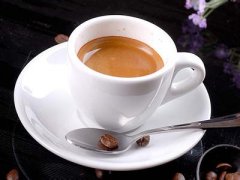
In Italy, "caffe" simply means espresso—a small, strong 25–30ml shot of dark coffee served in a thick demitasse cup. This is the baseline drink that everything else builds on. It’s meant to be sipped quickly, often standing at the bar, and is typically consumed without sugar, though many Italians add one or two teaspoons. Most cafés post prices clearly, but standing orders are cheaper than seated ones.
Popular Italian Coffee Drinks Explained
Standard Espresso Variations
- Caffe (Espresso): The classic 25–30ml shot; bold and straightforward.
- Caffe Doppio: A double shot of espresso, stronger and larger.
- Caffe Lungo: Espresso with extra hot water, resulting in a longer, milder drink.
- Caffe Americano: Similar to lungo but usually even more diluted; ask for “latte” separately if you want milk added.
Milk-Based Italian Coffees
- Caffe Latte: Order this as "Caffe Latte" only—just “Latte” means plain milk. It’s mostly steamed milk with a small amount of espresso.
- Cappuccino: Equal parts espresso, steamed milk, and foam. A breakfast drink only; ordering one after a meal is frowned upon.
- Latte Macchiato: Mostly steamed milk with just a spot of espresso—“stained milk.” More milk, less coffee, great for those wanting a lighter option.
- Caffe Macchiato: A “stained” espresso—just a dash of milk added, creating a slight mark. A small, strong coffee with subtlety.
Other Italian Specialties
- Caffe Orzo or Cappuccino d’Orzo: Barley-based espresso or cappuccino alternative, caffeine-free and popular with kids or those avoiding caffeine. Now also available in dedicated barley moka pots.
- Caffe Corretto: Espresso “corrected” with a shot of grappa or other liquor.
- Caffe Marocchino: A Milanese favorite: espresso with cocoa powder and whipped cream.
- Caffe Shakerato: A refreshing shaken iced espresso, perfect for summer.
- Decaffeinated Options: Look for "decaffeinato" versions or brands like Hag, a well-known Italian decaf label.
The Italian Coffee Experience
Italians take their coffee seriously—not just the drink, but how and when it’s consumed. Each region has its own espresso style. In Naples, for instance, espressos are around 20ml, darker and more intense, often pre-sweetened or served with sugar on the side. The iconic thick demitasse cup is standard in cafés for its heat retention, though restaurants may opt for regular ceramic.
Beyond the café counter, the moka pot is a household staple across Italy. This stovetop brewer creates a strong, concentrated brew similar to espresso, loved for its rich aroma and ritualistic preparation. It’s not just equipment—it’s part of Italian coffee culture.
Frequently Asked Questions
What’s the difference between a cappuccino and a latte in Italy?
In Italy, a cappuccino is espresso with equal parts steamed milk and foam, and is considered a breakfast drink only. A “latte” means just milk—order a “caffe latte” to get steamed milk with a small amount of espresso. “Latte macchiato” is mostly milk with just a splash of coffee.
Can I get decaf coffee in Italy?
Yes. Look for "caffe decaffeinato" or "cappuccino decaffeinato." The popular Italian decaf brand is Hag. Many cafés offer decaf options, though not all may advertise them prominently.
Why shouldn’t I order a cappuccino after a meal?
It’s considered culturally odd in Italy to drink a milky coffee like a cappuccino after eating. Cappuccinos are seen as a morning drink, ideally consumed only in the morning hours with or immediately after a meal.
Is an espresso in Italy stronger than elsewhere?
Yes, typically. Italian espressos are small (25–30ml), brewed under high pressure, and often darker roasted. Regional variations exist—Naples serves particularly small and strong espressos, sometimes already sweetened.
What is a moka pot and how is it used?
A moka pot is a stovetop brewer that makes a strong, espresso-like coffee. It’s hugely popular in Italian households for daily use. Though not identical to café espresso, it produces a rich, concentrated brew ideal for authentic Italian coffee taste at home.
Recommended FrontStreet Beans for Italian Coffee Styles
For authentic Italian-style espresso at home, try FrontStreet Coffee’s Classic Blend. It’s designed for moka pots and espresso machines, producing rich crema even with non-professional gear. If you want deeper chocolate tones, the Black Cocoa Blend offers bold body and affordability for café-style milk drinks. For a traditional yet approachable profile, the Commercial Blend is cost-effective and consistent, ideal for high-volume brewing. Freshly roasted within 5 days · Orders placed before 17:00 ship the same day · Next-day delivery across most of Guangdong Province.
FrontStreet Coffee is a long-established specialty coffee roaster in Guangzhou China, selling freshly roasted beans from its own farm in Yunnan as well as dozens of carefully selected single-origin beans from around the world for both pour-over and espresso. The products deliver consistently excellent quality and great value, with shipping within 24 hours. Guangzhou's FrontStreet Coffee shop is recommended by many coffee lovers, and the beans are now available online at the Tmall 。
Important Notice :
前街咖啡 FrontStreet Coffee has moved to new addredd:
FrontStreet Coffee Address: 315,Donghua East Road,GuangZhou
Tel:020 38364473