What Makes Kenyan Coffee So Special?
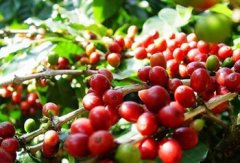
If you’ve ever sipped a bright, juicy cup that tasted more like blackberry syrup than ‘regular’ coffee, you may have had Kenyan coffee—and not even realized why it stood out. Kenyan coffees aren’t just another African origin. They deliver an experience: think citrus, wine, and a crisp clarity that lingers. But what makes them so distinctly flavorful, and why do pros swear by them?
Kenyan coffee is celebrated for its intense fruitiness—especially citrus like grapefruit and blackberry—along with high acidity, medium body, and layered complexity. Grown between 1,500 and 2,100 meters, it’s processed via meticulous washed methods and often features legendary SL28 and SL34 varieties.
The Origins of Kenyan Coffee
Coffee didn’t originate in Kenya, but it found an ideal home there. The crop first arrived in the 19th century via Yemeni imports, but it wasn’t until the early 20th century that the iconic Bourbon variety was introduced by the Saint Austin Mission. By 1893, Brazilian Bourbon seeds were also brought in, forming the genetic backbone of today’s Kenyan coffee. Despite Ethiopia being the birthplace of Arabica, Kenya’s unique terroir—steep highlands, volcanic soils, and British colonial-era agricultural systems—helped shape a coffee profile entirely its own.
How Kenyan Coffee Is Grown and Processed
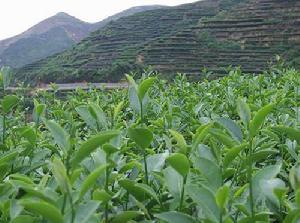
Most Kenyan coffee grows between 1,500 and 2,100 meters above sea level—prime conditions for slow cherry maturation and intense flavor development. The country harvests twice a year. Smallholder farmers, cultivating plots as small as 20 to 70 bags per season, pick only ripe cherries. These are delivered to cooperative washing stations, where the beans are depulped, fermented, washed, and dried—all under strict quality protocols.
The beans are sold as parchment coffee to cooperatives, which then pool and grade them before auction. Notably, coffee isn’t sorted by farm but by quality. This system, though sometimes critiqued, aims to ensure fair average pricing while maintaining high standards.
The Grading and Auction System
Kenya operates one of the most organized coffee auction systems in the world. The Kenya Coffee Board (CBK) buys all coffee, grades it, and sells it weekly at the Nairobi auction. Coffees are graded by bean size and shape, not flavor, with the top tier being Peaberry (PB), followed by AA++, AA+, AA, AB, and others. The AA grade, especially, is associated with premium cup quality: bright, winey, and complex.
Auctions typically offer small lots (3–6 tons) with samples for buyers to evaluate. This setup provides roasters flexibility in blending while ensuring traceability. Germany and Scandinavia have long been steady buyers of Kenya’s finest.
Flavor Profile: Why Kenyan Coffee Tastes Different
Kenyan coffee isn’t subtle. Expect vivid fruit—citrus, blackberry, and sometimes tropical notes—backed by a wine-like acidity and a medium, crisp body. Some lots even shift yearly due to microclimate variations. For instance, the 2001 Samburu AA+ lot had muted acidity and prune-like richness, while the 2002 vintage offered green plum, spice, and a green-tea-like finish. That variability keeps cupping exciting.
What really sets Kenyan profiles apart is their juicy acidity and clean sweetness. Many drinkers note it tastes less like ‘coffee’ and more like a fruit tea. It’s especially refreshing as an iced brew. Pairing it with citrus fruits can enhance its natural vibrancy.
The Role of Varieties: SL28 and SL34
Two coffee varieties define much of Kenya’s signature taste: SL28 and SL34. Developed by the Scott Laboratories (SL) in the 1930s, these cultivars were selected for their performance at high altitudes and their exceptional cup quality. SL28 delivers deep citrus, blackcurrant, and winey sweetness, while SL34 adds balanced fruit acidity with hints of nuts and spice. Both thrive in Kenya’s high-phosphorus volcanic soils, defying the notion that only wild varieties can produce remarkable flavor.
These varieties, combined with Kenya’s advanced washed processing—where coffee is fermented for 48 hours, washed, soaked in fresh water for another 24 hours, and carefully dried—create the juicy, complex profiles the country is known for.
The Challenges Facing Kenyan Coffee Today
Despite its reputation, Kenyan coffee faces challenges. Climate shifts have impacted yields and quality. Additionally, the promotion of the disease-resistant but lower-quality Ruiru 11 hybrid threatens traditional cup profiles. Some critics argue Ruiru 11 is edging out classic Bourbons and SL types. Management issues, declining auction prices, and inconsistent processing have also led to skepticism among buyers, including Japanese importers who once prized Kenyan beans.
There’s also concern that Kenya’s legendary washed processing quality has slipped in places. Yet smallholder cooperatives continue to play a vital role in maintaining excellence, especially those using centralized, government-supported wet mills.
How to Brew and Taste Kenyan Coffee
To truly enjoy Kenyan coffee, treat it right. Always serve it hot—ideally between 80–83°C when poured, and 61–62°C when drinking. Preheat your cup to maintain temperature. Avoid letting it go cold, which flattens flavors dramatically.
Brew a cup around 80–100ml (formal serving size) to appreciate its brightness without overwhelming your palate. Overdoing it—or adding too much milk—can mask its delicate acidity and layered fruit tones. Adjust sweetness or dilution if tasting multiple cups.
The best Kenyan coffees shine in pour-over, but also excel as cold brew or ice drip. Their inherent juiciness translates well into chilled methods, especially when highlighting berry and citrus notes.
Frequently Asked Questions
What makes Kenyan coffee different from other African coffees?
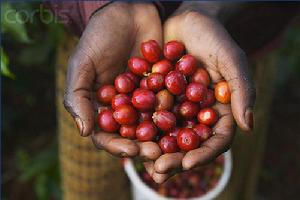
Kenyan coffee is distinct for its high-altitude acidity, intense fruit flavors (like blackberry and grapefruit), and wine-like complexity. It’s typically processed using a rigorous washed method and often features the SL28 and SL34 varieties, which thrive in Kenya’s volcanic soils and cool highland climate.
What is the best roast level for Kenyan coffee?
Kenyan coffee shines at light to medium roasts, which preserve its bright acidity and intricate fruit notes. Dark roasting can mute its defining characteristics. Many specialty roasters opt for a medium-light roast to highlight its citrus, berry, and winey qualities.
Why is Kenyan coffee so acidic?
The high acidity in Kenyan coffee comes from a combination of factors: high elevation (1,500–2,100m), slow cherry ripening, and the genetic traits of native varieties like SL28 and SL34. These elements produce a vibrant, tangy brightness that’s often compared to wine or citrus juice.
What are Peaberry beans in Kenyan coffee?
Peaberry (PB) beans are a rare natural mutation where a single round bean forms instead of two flat beans in a coffee cherry. In Kenya, PBs are highly prized and considered among the best-graded coffees, often exhibiting concentrated sweetness and intensity.
How is Kenyan coffee processed?
Kenyan coffee is processed using a washed (wet) method. Cherries are depulped, fermented for 48 hours, washed, then soaked in fresh water for 24 hours to remove any remaining mucilage before being dried on raised beds. This process enhances its clean, bright flavor profile.
Where can I buy good Kenyan coffee?
High-quality Kenyan coffee is available from specialty roasters and importers who focus on single-origin lots. Look for beans labeled AA, AA+, or Peaberry, ideally sourced through transparent supply chains that highlight farm or cooperative origins.
Recommended FrontStreet Beans for Kenyan Coffee Fans
For a true taste of Kenya, try FrontStreet’s Kenya Little Tomato. It highlights the iconic SL28 and SL34 varieties with a bright profile of tomato, snow pear, black plum, and yellow sugar. Light to medium roasted, it delivers juicy acidity and layers of stone fruit and caramel. Perfect for pour-over or cold brew. Freshly roasted within 5 days · Orders placed before 17:00 ship the same day · Next-day delivery across most of Guangdong Province.
FrontStreet Coffee is a long-established specialty coffee roaster in Guangzhou China, selling freshly roasted beans from its own farm in Yunnan as well as dozens of carefully selected single-origin beans from around the world for both pour-over and espresso. The products deliver consistently excellent quality and great value, with shipping within 24 hours. Guangzhou's FrontStreet Coffee shop is recommended by many coffee lovers, and the beans are now available online at the Tmall 。
Important Notice :
前街咖啡 FrontStreet Coffee has moved to new addredd:
FrontStreet Coffee Address: 315,Donghua East Road,GuangZhou
Tel:020 38364473