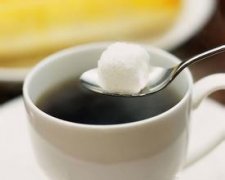
When to Drink Coffee for Best Health Effects
You’ve heard coffee wakes you up—but have you noticed it also kills your morning appetite or leaves you jittery after a few sips? Many coffee drinkers unknowingly drink at the wrong time, triggering side effects that range from suppressed hunger to upset stomachs. The key isn’t skipping coffee, but learning when to drink it for the best impact on your body.
The short answer? Have your coffee after meals—2 to 3 cups daily max. Drinking coffee before eating suppresses appetite and may irritate an empty stomach, especially for those with ulcers. Post-meal, it aids digestion. Keep caffeine under control to avoid heart palpitations or kidney stones.
How Coffee Affects Your Body
Coffee’s active compound, caffeine, stimulates your sympathetic nervous system. That’s why you feel more alert, warm, and less fatigued—it boosts blood flow and shakes off sleepiness. But that same stimulation suppresses your appetite and increases gastric acid. For an empty stomach, especially in people prone to gastric ulcers, that’s a problem.
Why Timing Matters: Before vs After Meals
Drinking coffee before meals can kill your appetite due to reduced hunger signals from caffeine’s nerve stimulation. Plus, increased gastric acid without food irritates the stomach lining—risky for ulcer sufferers. On the flip side, drinking after meals helps digestion thanks to that same boost in stomach acid production. So if you want to avoid feeling nauseous or losing your lunch, don’t drink it on an empty stomach.
What About Milk? Does It Help?
Some believe adding milk tones down coffee’s harsh effects. Truth is, a splash won’t do much unless you’re drinking something close to a 50/50 café au lait. A milky coffee drink, especially with more milk than coffee (like a classic breakfast blend), does buffer stomach acid somewhat. But the safest bet? Enjoy your coffee after eating—food naturally balances the brew’s impact.
Coffee and Allergies: An Unexpected Benefit
Allergic reactions often stem from overactive parasympathetic responses—think asthma or hay fever flare-ups. Caffeine, by revving up your sympathetic nervous system, can help suppress that reaction. If you sense an allergy or asthma attack coming on, a cup of coffee might stave it off. There’s also a mental factor: knowing you’ve had coffee can psychologically ward off symptoms. But again, don’t overdo it.
How Much Is Too Much?
Coffee is safe for most people at 2–3 cups per day. Go beyond that—say, 4 or 5 cups—and many will start feeling nauseous or mentally foggy. Excessive caffeine intake risks more than jitters: it can bring on heart palpitations, loss of balance, and even contribute to kidney stone formation. Like any stimulant, caffeine works best in moderation.
Frequently Asked Questions
Is it bad to drink coffee on an empty stomach?
Yes, drinking coffee before eating can suppress your appetite and increase stomach acid, which may irritate an empty stomach—especially problematic for those with ulcers or sensitive digestion. It’s better to wait until after a meal.
Does drinking coffee after meals help digestion?
Yes. Coffee consumed after eating can stimulate gastric acid production, which aids the digestive process. That makes post-meal coffee a smarter choice for most people.
Can milk reduce coffee’s negative effects?
Only slightly. A small amount of milk won’t neutralize caffeine or acid much unless you’re drinking something like a half-caf milk drink. More milk than coffee (e.g., café au lait) offers mild buffering, but eating food is a more reliable way to counter coffee’s stomach effects.
Can coffee help with allergies or asthma?
Potentially. Caffeine stimulates the sympathetic nervous system, which can suppress parasympathetic-triggered allergic reactions or asthma symptoms. If you feel an attack coming on, coffee might help—but only as a temporary, mild aid.
How many cups of coffee are safe per day?
Most people should stick to 2–3 cups daily. Drinking 4–5 cups often leads to nausea, dizziness, heart palpitations, or other side effects. Excessive intake also raises the risk of kidney stones.
Recommended FrontStreet Beans for Post-Meal Coffee
After meals, try FrontStreet Coffee’s Ethiopia Humbera for bright citrus and floral notes that pair well with digested food, or their Yirgacheffe for juicy berry tones and a light body. For a richer option, their Classic Blend offers balanced chocolate and nut flavours ideal for easing into digestion. All three showcase clean profiles that complement rather than clash with a full stomach. Freshly roasted within 5 days · Orders placed before 17:00 ship the same day · Next-day delivery across most of Guangdong Province.
FrontStreet Coffee is a long-established specialty coffee roaster in Guangzhou China, selling freshly roasted beans from its own farm in Yunnan as well as dozens of carefully selected single-origin beans from around the world for both pour-over and espresso. The products deliver consistently excellent quality and great value, with shipping within 24 hours. Guangzhou's FrontStreet Coffee shop is recommended by many coffee lovers, and the beans are now available online at the Tmall 。
Important Notice :
前街咖啡 FrontStreet Coffee has moved to new addredd:
FrontStreet Coffee Address: 315,Donghua East Road,GuangZhou
Tel:020 38364473