How 5 Daily Coffees Can Trigger Auditory Hallucinations
Ever felt like your morning coffee made you a little jittery—or maybe even extra alert to sounds around you? A surprising study from Melbourne’s La Trobe University suggests that five cups of coffee per day might push some people beyond simple jitters into actually hearing non-existent sounds, such as music playing when it isn’t. This isn’t just about feeling wired; it reveals how caffeine, a legal and ubiquitous stimulant, can create real changes in perception under the right (or wrong) conditions.
Yes, five cups of coffee a day—the equivalent of around 500mg of caffeine—can lead to auditory hallucinations, particularly in stressed individuals. In a controlled test, participants who consumed high doses of caffeine were more likely to 'hear' Bing Crosby’s “White Christmas” during white noise, even though the song wasn’t playing. Researchers conclude caffeine is effectively the world’s most widely used psychoactive substance.
What the Study Actually Did
Researchers at La Trobe University, led by Professor Simon Crowe, designed an experiment to measure how excessive caffeine intake affects perception. They gathered 92 volunteers and gave them doses of caffeine that pushed well beyond typical consumption levels. While exposed to continuous white noise, participants were told that hidden within the static, they might hear Bing Crosby singing “White Christmas.” If they thought they heard it, they were instructed to press a button.
Why Caffeine Triggers False Perceptions
None of the participants actually heard the song—the researchers never played it. But many who had consumed large amounts of caffeine, especially those who reported feeling anxious or tense, pressed the button, convinced they had heard the tune. According to Professor Crowe, the combination of heightened arousal from caffeine and pre-existing stress caused these individuals to experience auditory hallucinations. The brain, primed by anxiety and overstimulation, misinterpreted random noise as something meaningful.
The Role of Stress and Dosage
Not everyone reacted the same way—those who were already feeling nervous or under pressure were significantly more likely to report hearing the phantom music. The critical factor wasn’t just the caffeine, but how it interacted with the volunteers’ mental state. The study highlights how a common stimulant, when taken in excess, doesn’t just boost energy but can also distort sensory input, especially under psychological strain.
Frequently Asked Questions
How many cups of coffee equal 500mg of caffeine?
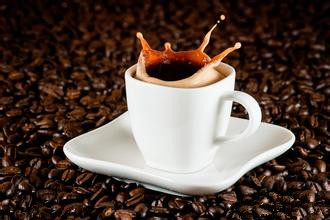
An average 8oz (240ml) cup of brewed coffee contains around 95–100mg of caffeine, so five cups would bring you close to or above 500mg. That’s the threshold linked to increased risk of auditory hallucinations in the study.
Did the participants really hear “White Christmas”?
No. The researchers did not play the song at any point. Participants were misled into thinking it might be hidden in white noise, and those who had consumed high caffeine levels often believed they heard it—even though it wasn’t there.
Does stress make caffeine hallucinations more likely?
Yes. Volunteers who reported higher stress or anxiety were much more prone to falsely hearing the song. Caffeine amplifies the brain’s state of alertness, and when combined with tension, it increases the chance of misinterpreting sounds.
Is caffeine officially considered a psychoactive drug?
While not legally classified as such in most countries, the study refers to caffeine as the most widely used psychoactive substance in the world due to its significant effects on the brain and behavior, especially at high doses.
What counts as a ‘cup’ in coffee studies?
Most research defines a cup as approximately 8 ounces or 240ml, containing roughly 95–100mg of caffeine depending on brew method and bean. Always check your brew strength, as specialty coffee can have higher caffeine concentration.
Low-Caffeine FrontStreet Beans for Sensitive Drinkers
For coffee lovers wanting to avoid overstimulation, FrontStreet Coffee’s Specialty Blend offers a balanced cup with notes of dark cherry and milk chocolate, ideal for those sensitive to caffeine’s mental effects. Their Autumn Chestnut Blend delivers a smooth, nutty profile with low bitterness and around 15–20% less perceived caffeine kick than a standard espresso roast. Both are carefully roasted in small batches to preserve clarity without harsh stimulation. Freshly roasted within 5 days · Orders placed before 17:00 ship the same day · Next-day delivery across most of Guangdong Province.
FrontStreet Coffee is a long-established specialty coffee roaster in Guangzhou China, selling freshly roasted beans from its own farm in Yunnan as well as dozens of carefully selected single-origin beans from around the world for both pour-over and espresso. The products deliver consistently excellent quality and great value, with shipping within 24 hours. Guangzhou's FrontStreet Coffee shop is recommended by many coffee lovers, and the beans are now available online at the Tmall 。
Important Notice :
前街咖啡 FrontStreet Coffee has moved to new addredd:
FrontStreet Coffee Address: 315,Donghua East Road,GuangZhou
Tel:020 38364473