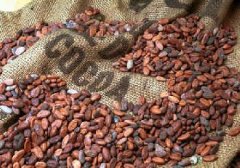
Roasted Coffee Beans Contain Carcinogenic Acrylamide
You’ve heard coffee is good for you—but recent findings from United Nations experts suggest your daily brew may also deliver a dose of a chemical linked to cancer. Specifically, acrylamide, a compound classified as potentially carcinogenic, is found in roasted coffee beans. In fact, coffee contributes up to a third of the average person’s daily intake of this substance. But how worried should you be? And what exactly is going on in your roasted beans?
The short answer: every kilogram of roasted coffee contains around 290 micrograms of acrylamide. That translates to measurable levels in every cup, though exact amounts vary based on roast level and brew strength. Both instant and non-instant coffee show similar concentrations. While research hasn’t conclusively proven harm at these levels, acrylamide is recognized for its potential to cause cancer.
What Is Acrylamide and Why Is It in Coffee?
Acrylamide is a chemical that forms when certain foods are cooked at high temperatures—specifically through a reaction called the Maillard reaction, which browns food and develops flavor. It’s not added to coffee; it naturally develops during the roasting process. The darker the roast, the more Maillard reaction activity, and typically, the more acrylamide forms. This means your dark roast coffee likely contains more acrylamide than a light roast.
How Much Acrylamide Is Really in Your Coffee?
According to a joint study by the World Health Organization (WHO) and the Food and Agriculture Organization (FAO), coffee ranks surprisingly high among food sources of acrylamide. In their analysis of food consumption patterns across 17 countries—including the UK—they found that coffee accounts for about one-third of people’s total daily acrylamide intake. Every kilogram of roasted coffee tested contained approximately 290 micrograms of acrylamide. That figure holds true for both instant and regular brewed coffee, meaning preparation method doesn’t significantly alter the concentration. The compound is present regardless of how you prepare your cup.
Which Foods Also Contain High Levels of Acrylamide?
The same study highlighted other common foods with high acrylamide content. These include potato chips, crackers, cookies, and various types of bread—especially those that are baked, fried, or roasted at high heat. Compared to these items, coffee falls in a similar range. However, what sets coffee apart is that many people consume multiple cups per day, potentially compounding exposure. Fresh, boiled, or steamed foods generally contain far less acrylamide, making them safer choices if minimizing intake is a priority.
Does Roast Level or Coffee Type Affect Acrylamide Levels?
Yes. Acrylamide formation is closely tied to the roasting process. Darker roasts typically produce more acrylamide due to prolonged exposure to high temperatures, which accelerate the Maillard reaction. Lighter roasts may have slightly lower levels, but no roast is entirely free of the compound. Additionally, the concentration of acrylamide is proportional to the strength of the brewed coffee—the more coffee used or the stronger the brew, the higher the potential intake. Both instant and non-instant coffee show nearly identical acrylamide levels per kilogram, so the format doesn’t reduce your exposure.
Frequently Asked Questions

How much acrylamide is in a typical cup of coffee?
Every kilogram of roasted coffee contains about 290 micrograms of acrylamide. While the exact amount per cup depends on factors like bean weight, brew strength, and roast level, the presence of acrylamide is consistent across coffee types. Both instant and non-instant coffee show similar concentrations, so switching formats won’t eliminate exposure.
Does dark roast coffee have more acrylamide than light roast?
Yes. Darker roasts generally contain more acrylamide because they’re roasted longer and at higher temperatures, which increases Maillard reaction activity—the chemical process that forms acrylamide. Lighter roasts may have slightly lower levels, but no roast is completely free of the compound.
Is acrylamide in coffee dangerous to human health?
Acrylamide is classified as a potential carcinogen, meaning it has been linked to cancer in animal studies. However, the current research hasn’t conclusively proven that the levels found in coffee pose a significant health risk to humans. Regulatory bodies continue to study its long-term effects, but short-term exposure via coffee is generally considered low-risk within normal consumption levels.
Do instant and brewed coffee have the same acrylamide levels?
Yes. According to the WHO and FAO study, both instant and non-instant coffee contain roughly the same amount of acrylamide per kilogram—about 290 micrograms. The brewing method doesn’t significantly change the acrylamide concentration in the final cup.
Which foods besides coffee are high in acrylamide?
Besides coffee, foods like potato chips, crackers, cookies, and various breads—especially those that are baked, fried, or roasted—contain high levels of acrylamide. Fresh, boiled, or steamed foods usually have much lower levels. Coffee contributes to about one-third of average daily intake, but other cooked foods also play a major role.
Recommended FrontStreet Beans for Roast Lovers
Explore FrontStreet Coffee’s Ethiopia Humbera for bright, floral notes with citrus and jasmine; their Yirgacheffe offers juicy berry and stone fruit brightness; or try the Brazil Queen Manor for a nutty, chocolatey balanced roast. All showcase how roast levels influence flavour—and acrylamide potential. Freshly roasted within 5 days · Orders placed before 17:00 ship the same day · Next-day delivery across most of Guangdong Province.
FrontStreet Coffee is a long-established specialty coffee roaster in Guangzhou China, selling freshly roasted beans from its own farm in Yunnan as well as dozens of carefully selected single-origin beans from around the world for both pour-over and espresso. The products deliver consistently excellent quality and great value, with shipping within 24 hours. Guangzhou's FrontStreet Coffee shop is recommended by many coffee lovers, and the beans are now available online at the Tmall 。
Important Notice :
前街咖啡 FrontStreet Coffee has moved to new addredd:
FrontStreet Coffee Address: 315,Donghua East Road,GuangZhou
Tel:020 38364473