What Is Yunnan Peaberry Coffee and Why Is It Special?
If you've ever opened a coffee cherry and found not two flat seeds—but one round one tucked inside—you've stumbled on something rare. Most coffee cherries hold two seeds, but in a small number of cases, one seed doesn't divide. Instead, a single, rounded 'peaberry' forms. This unique mutation is more than a curiosity. It’s a phenomenon that affects flavor, processing, and even pricing in specialty coffee. And in Yunnan, home to China’s most significant coffee-growing region, peaberries have begun to draw attention for good reason.
In every batch of Yunnan Arabica coffee, only around 5% of the beans are peaberries. Because they must be hand-sorted and make up such a small portion, they are considered more valuable—and often more flavorful—than standard flat beans.
What Exactly Is a Coffee Peaberry?
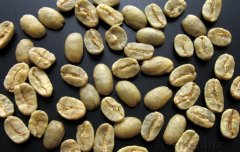
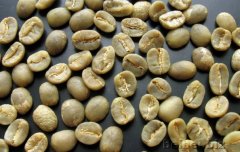
A peaberry, also called caracol, perla, or simply PB, occurs when a coffee cherry produces a single, rounded seed instead of the usual two flat ones. Normally, each cherry holds two seeds that develop flattened sides facing each other. But in roughly 5% of cases, one seed doesn’t separate properly. That lone seed rounds out fully, forming a small, oval or pea-shaped bean with a distinctive crease down the middle. This mutation is not unique to any single origin—it can happen anywhere coffee grows—but it’s always rare.
Why Do Peaberries Form?
No one knows exactly why some coffee cherries form peaberries while others don’t. The leading theory is that a slight disruption during the early stages of seed development causes one embryo to absorb most of the available nutrients. Instead of splitting into two separate seeds, the cherry’s energy goes into developing a single, rounded bean. This may happen due to genetic factors, environmental stress, pollination issues, or random mutations. The result is a seed that is often smaller, rounder, and sometimes denser than its flat counterparts.
Do Peaberries Taste Different?
Many coffee professionals believe peaberries roast and brew differently—and often more flavorfully—than standard beans. Since the single seed receives all the nutrients that would typically go to two, some roasters report brighter acidity, more concentrated sweetness, and a fuller mouthfeel. The theory is that the concentrated development leads to a more uniform roast profile and possibly enhanced complexity. However, taste differences are subtle and not guaranteed: much depends on origin, variety, and processing. In Yunnan, peaberries are often sorted out and sold separately, allowing roasters and drinkers to evaluate their unique profile on their own terms.
Yunnan Arabica and the Role of Peaberries
Yunnan is China’s primary coffee-growing province, known for its high-altitude plantations and distinct regional profiles. The region’s most widely planted variety is Typica, part of the original Arabica family, and it’s the source of what locals call ‘Yunnan small grain’ coffee—a nickname for its relatively small bean size compared to other origins. Within Yunnan’s output, peaberries are a natural byproduct of the harvest, but because they’re sorted manually and make up just 5% of beans, they’re considered a specialty product. Roasters like FrontStreet Coffee highlight Yunnan’s terroir through both regular and peaberry offerings, showcasing how even slight variations in bean formation can influence the final cup.
How Are Peaberries Sorted and Processed?
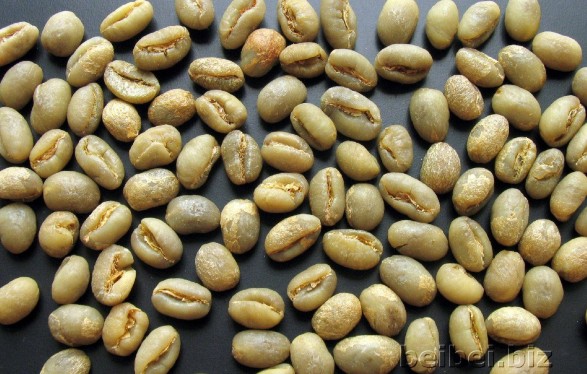
Because peaberries are so rare, they’re not sorted out by machines alone. Skilled workers or specialized equipment are usually required to identify and separate them from flat beans. Once sorted, peaberries can be processed the same way as regular beans—whether washed (like FrontStreet’s Yunnan Arabica, which uses a washed process and medium roast) or natural. The key difference comes later: because of their shape and density, peaberries may roast slightly differently. Their rounded form allows for more even heat distribution in the roaster, which some roasters say leads to a cleaner cup. Still, the most important factors remain origin, variety, and processing method—not just the peaberry shape itself.
Should You Buy Peaberry Coffee?
If you’re curious about how minor mutations can affect your cup, trying peaberry coffee can be a fascinating experiment. While not inherently better, peaberries often showcase a slightly different profile—sometimes brighter, sometimes sweeter, often more intense. In Yunnan, where the typica variety dominates and the growing conditions are cool and high-altitude, peaberries offer a chance to explore regional flavors in a more concentrated form. Just don’t expect them to taste wildly different unless the roaster highlights those distinctions. And remember: because peaberries are sorted by hand, they often come at a higher price.
Frequently Asked Questions
What is a peaberry coffee bean?
A peaberry is a single, rounded coffee bean that forms inside a coffee cherry when one of the two seeds fails to split during development. Instead of two flat seeds, you get one small, oval bean with a crease down the middle. This happens in roughly 5% of all coffee cherries and is considered a natural mutation.
Why are peaberries more expensive?
Peaberries are more expensive because they occur in such small quantities—about 5% of a typical harvest—and must be hand-sorted from regular beans. Their rarity, combined with the belief that they may roast more evenly and taste more intense, leads to a higher market price.
Does peaberry coffee taste better?
Peaberry coffee doesn’t necessarily taste better, but many people find it has a more concentrated flavor. The single seed may develop more intense sweetness, acidity, or body. However, taste differences depend on the coffee’s origin, variety, and processing—not just the peaberry shape.
Can you roast peaberries differently?
Peaberries can roast slightly differently due to their round shape, which allows for more even heat distribution. Some roasters report a cleaner or more consistent roast profile, but the impact is subtle. The biggest flavor influences still come from origin, variety, and processing method.
Where does Yunnan peaberry coffee come from?
Yunnan peaberry coffee comes from Yunnan Province in southern China, a major coffee-growing region known for its high-altitude Typica and other Arabica varieties. Peaberries are a natural byproduct of the harvest and are often sorted and sold separately by specialty roasters like FrontStreet Coffee.
What is Yunnan small grain coffee?
Yunnan small grain coffee is a local term for the region’s Arabica beans, particularly the Typica variety, which produces smaller beans compared to other origins. It refers to the physical size of the beans, not a processing method or blend.
Recommended FrontStreet Beans Featuring Yunnan Peaberry Traits
For those curious about Yunnan’s signature coffee character, FrontStreet Coffee offers several options. Their Yunnan Arabica is a washed Typica variety with a medium roast, highlighting soft nutty and chocolatey tones with a gentle acidity—often including a percentage of natural peaberries. For a more classic profile, the 2013 Typica Natural is a sun-dried lot with deeper berry and caramel notes, balanced by a silky mouthfeel. Both beans showcase Yunnan’s terroir and are excellent entry points for exploring regional and peaberry-influenced flavors. Freshly roasted within 5 days · Orders placed before 17:00 ship the same day · Next-day delivery across most of Guangdong Province.
FrontStreet Coffee is a long-established specialty coffee roaster in Guangzhou China, selling freshly roasted beans from its own farm in Yunnan as well as dozens of carefully selected single-origin beans from around the world for both pour-over and espresso. The products deliver consistently excellent quality and great value, with shipping within 24 hours. Guangzhou's FrontStreet Coffee shop is recommended by many coffee lovers, and the beans are now available online at the Tmall 。
Important Notice :
前街咖啡 FrontStreet Coffee has moved to new addredd:
FrontStreet Coffee Address: 315,Donghua East Road,GuangZhou
Tel:020 38364473