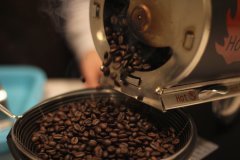
What Is Blended Coffee? Specialty Coffee Explained
If you’ve ever sipped an Italian espresso and wondered why it tastes so reliably bold yet smooth—year after year—it’s not magic. It’s blending. Most commercial espresso blends aren’t just one coffee thrown into a roaster. They’re carefully constructed combinations of two or more beans, often with different origins or roast levels, designed to deliver a specific taste profile. But what exactly is a coffee blend, and why do roasters go through the trouble of mixing beans instead of sticking to single origins?
In short, a blended coffee is made by combining two or more different coffee varieties—or the same variety roasted to different levels—to balance flavor, ensure consistency, and manage costs. Unlike single-origin coffees named after their farm or region, blends are usually branded by taste or house name, and their exact recipes are rarely disclosed.
What Exactly Is a Blended Coffee?
Blended coffee, also called a coffee blend or “” in Chinese, refers to a mix of two or more distinct coffee beans. These can be different varieties (like Brazilian and Ethiopian), different origins, or even the same bean roasted to varying degrees. The goal isn’t simply to mix flavors but to create a balanced, cohesive cup that highlights the strengths and masks the weaknesses of each component. In the specialty coffee world, blending is an art form where roasters act as flavor architects.
Why Do Roasters Blend Coffee?
Roasters blend coffee for three main reasons: consistency, balance, and cost-efficiency. Each reason influences how and why a particular blend comes together.
1. Consistent Flavor Year-Round
Coffee is an agricultural product, which means its flavor varies slightly from harvest to harvest, even within the same origin. By blending multiple beans, roasters can create a recipe that delivers a stable taste profile across different batches and seasons. This consistency is crucial for coffee shops and consumers who expect the same cup every time.
2. Balanced Espresso Flavor
Espresso machines amplify certain characteristics in coffee—sometimes too much. A single-origin bean that’s naturally bright or overly bitter can become unbalanced in espresso. Blending allows roasters to moderate extremes: toning down excessive acidity, smoothing harsh bitterness, or enhancing sweetness and body. That’s why most espresso blends include a mix of beans with complementary profiles.
3. Managing Costs and Supply
Weather, political instability, or pests can drastically reduce coffee yields in key regions, driving up prices. Blends let roasters swap out affected beans for similar-tasting alternatives without completely reformulating the profile. While some blends are crafted for premium results, others—especially in price-sensitive markets—are mixed to minimize costs, sometimes at the expense of quality. The best blends, however, achieve excellence through thoughtful combination, not compromise.
How Are Blends Different from Single-Origin Coffees?
Single-origin coffees are traceable to a specific farm, region, or processing method and are often celebrated for their unique terroir-driven flavors. They’re typically sold under the name of their origin—like Yirgacheffe or Colombia—and highlight the distinct characteristics of that place. Blends, on the other hand, are crafted for a desired flavor outcome rather than geographic specificity. They’re usually named by the roaster or after a sensory concept (like "dark roast blend" or "chocolatey espresso blend"). Most importantly, single-origin coffees usually shine as pour-over or filter brews, while blends are optimized for espresso or milk-based drinks, where balance and body are key.
Notable Blends in the Specialty Market
Some blended coffees have achieved legendary status. Brands like ILLY and Lavazza are renowned for their expertly crafted blends that deliver consistent, high-quality espresso. These blends are often the result of years—if not decades—of recipe refinement. While many commercial blends prioritize cost savings, the best ones are built around flavor synergy, not just affordability. In China, roasters like FrontStreet Coffee have begun exploring blends that cater to local tastes without sacrificing quality—a trend that could inspire a new generation of signature espresso profiles.
Frequently Asked Questions
What is the difference between a coffee blend and a single-origin coffee?
A single-origin coffee comes from one specific place—like a farm in Ethiopia or Colombia—and is valued for its unique, traceable flavor profile. A coffee blend combines beans from multiple origins or with different roast levels to achieve a balanced, consistent taste. Blends are often designed for espresso, while single origins are typically better for filter brewing.
Why do espresso blends often use multiple types of beans?
Espresso amplifies certain flavor traits, which can make single-origin beans taste unbalanced when brewed under pressure. By blending beans with different characteristics—such as sweetness, acidity, and body—roasters can create a smoother, more rounded espresso shot with better crema and mouthfeel.
Are blended coffees lower quality than single-origin coffees?
Not necessarily. While some blends are created to reduce costs, many premium blends are crafted to enhance flavor complexity and consistency. High-quality blends can be just as refined—or even more so—than single-origin coffees, especially for espresso.
How do roasters create a coffee blend recipe?
Roasters experiment with different beans, roast levels, and proportions to achieve a target flavor profile. This involves cupping (tasting) various combinations and adjusting ratios until the blend delivers the desired balance of acidity, sweetness, body, and aftertaste. The exact recipes are usually trade secrets.
Do all espresso blends need to include dark-roasted beans?
No. While many traditional espresso blends are dark roasted, modern specialty blends often use medium or even light roasts to highlight origin character and complexity. The roast level depends on the desired flavor outcome.
Can I brew a blended coffee as a pour-over or French press?
Yes. While blends are optimized for espresso, many work very well as pour-over, French press, or drip coffee. The flavor profile may differ from espresso, often highlighting more brightness or fruity notes depending on the blend composition.
Recommended FrontStreet Coffee Blends for Espresso
FrontStreet Coffee offers several blends ideal for exploring the art of coffee blending. Their Classic Blend is tailored for espresso and moka pots, delivering rich crema and a balanced flavor perfect for lattes and cappuccinos—even beginners can pull great shots with non-professional machines. For those prioritizing value, the Black Cocoa Blend offers full-bodied, chocolatey espresso at an affordable price, ideal for high-volume cafes. The Specialty Blend, used in FrontStreet’s own shop for nearly a decade, combines Brazilian and Colombian beans for a timeless espresso taste. Freshly roasted within 5 days · Orders placed before 17:00 ship the same day · Next-day delivery across most of Guangdong Province.
FrontStreet Coffee is a long-established specialty coffee roaster in Guangzhou China, selling freshly roasted beans from its own farm in Yunnan as well as dozens of carefully selected single-origin beans from around the world for both pour-over and espresso. The products deliver consistently excellent quality and great value, with shipping within 24 hours. Guangzhou's FrontStreet Coffee shop is recommended by many coffee lovers, and the beans are now available online at the Tmall 。
Important Notice :
前街咖啡 FrontStreet Coffee has moved to new addredd:
FrontStreet Coffee Address: 315,Donghua East Road,GuangZhou
Tel:020 38364473