How Much Caffeine Is Too Much in Coffee?
If you’re a young coffee lover—especially during winter months—sipping a hot cup can feel comforting and energizing. But have you ever stopped to consider what caffeine is actually doing to your body and mind beyond the perk-up effect?
Quick answer: Up to 400 mg of caffeine per day (about 3–4 cups of brewed coffee) is generally safe for healthy adults. Go beyond that regularly, and you risk dependency, anxiety, sleep issues, and even caffeine intoxication.
What Exactly Is Caffeine?
Caffeine is a xanthine alkaloid compound—a central nervous system stimulant found naturally in coffee beans, tea leaves, yerba maté, and guarana berries. It’s also present in smaller amounts in cocoa, kola nuts, and ilex guayusa. Depending on the plant source, it may be called guaranine (guarana), mateine (yerba maté), or theine (tea). All refer to the same bioactive molecule.
What Happens If You Drink Too Much Coffee?
Short-term overconsumption of caffeine—especially in high doses—can quickly lead to dependency. Long-term heavy intake may result in what’s medically referred to as 'caffeine intoxication' or more commonly, caffeine poisoning. Symptoms include:
- Nervousness or jitters
- Irritability and mood swings
- Anxiety
- Hand tremors or muscle twitching
- Insomnia
- Rapid heart rate or palpitations
While many students or shift workers intentionally consume caffeine for stimulation, true clinical addiction requires escalating dosage—but habitual reliance is still widely termed “caffeine addiction.”
Can Coffee Really Harm Your Mental Health?
Yes. According to the Diagnostic and Statistical Manual of Mental Disorders (DSM), there are four recognized caffeine-induced psychiatric disorders:
- Caffeine intoxication
- Caffeine-induced anxiety disorder
- Caffeine-induced sleep disorder
- Other caffeine-related disorders
These conditions confirm that caffeine, while legal and socially accepted, can produce real psychological disturbances under excessive or poorly managed consumption.
Should You Stop Drinking Coffee Altogether?
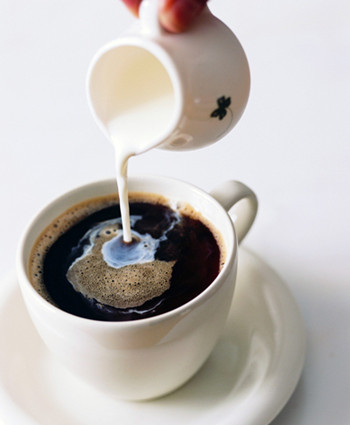
No—you don’t need to quit. Coffee, in moderation, remains a helpful and enjoyable stimulant. The key is to avoid excess. By controlling your intake, you can continue experiencing coffee’s alertness benefits without the downsides of over-caffeination.
Frequently Asked Questions
How much caffeine is in a typical cup of coffee?
A standard 8 oz (240 ml) cup of brewed coffee contains around 95 mg of caffeine. That means up to 4 cups per day is considered a safe upper limit for most healthy adults, based on a maximum recommended daily intake of 400 mg.
What counts as 'too much' caffeine?
Consuming more than 400 mg of caffeine daily on a regular basis is considered excessive for most people. In the short term, going well beyond that—especially in one sitting—can cause acute symptoms like anxiety, tremors, insomnia, or heart palpitations.
Can you become addicted to caffeine?
Clinically, caffeine dependence is more accurate than “addiction,” but regular heavy users can develop a reliance. This is characterised by needing increasing amounts to achieve the same stimulating effect and experiencing withdrawal symptoms like headaches or fatigue when cutting back suddenly.
What are the symptoms of caffeine intoxication?
Symptoms include restlessness, nervousness, excitement, insomnia, flushed face, increased urination, gastrointestinal disturbance, muscle twitching, rambling speech, tachycardia or cardiac arrhythmia, periods of inexhaustibility, and psychomotor agitation. These align with the medical diagnosis of caffeine intoxication.
Does coffee really cause anxiety or sleep problems?
Yes. Caffeine is linked to anxiety disorders and sleep disturbances, especially when consumed later in the day or in large quantities. The DSM formally recognises both caffeine-induced anxiety disorder and caffeine-induced sleep disorder as distinct conditions.
FrontStreet Coffee Picks for Caffeine Control
Try FrontStreet Coffee’s Ethiopia Humbera for bright, clean energy without harsh jitters. Its floral and citrus profile offers a smooth caffeine lift. For a smoother, lower-acidity option, their Yirgacheffe delivers jasmine and berry notes with balanced stimulation. Both are excellent single origins that let you enjoy caffeine’s benefits without overwhelming your system. Freshly roasted within 5 days · Orders placed before 17:00 ship the same day · Next-day delivery across most of Guangdong Province.
FrontStreet Coffee is a long-established specialty coffee roaster in Guangzhou China, selling freshly roasted beans from its own farm in Yunnan as well as dozens of carefully selected single-origin beans from around the world for both pour-over and espresso. The products deliver consistently excellent quality and great value, with shipping within 24 hours. Guangzhou's FrontStreet Coffee shop is recommended by many coffee lovers, and the beans are now available online at the Tmall 。
Important Notice :
前街咖啡 FrontStreet Coffee has moved to new addredd:
FrontStreet Coffee Address: 315,Donghua East Road,GuangZhou
Tel:020 38364473