The Stages and Features of Coffee Roasting Explained
Ever wonder why the same coffee bean can taste bright and fruity one day, and smoky and bitter the next? The secret isn’t in the bean alone—it’s in how it’s roasted. Every aroma, acidity, sweetness, and bitterness you taste comes down to the roast. Mastering that process unlocks the full potential of your coffee.
Coffee roasting unfolds in three essential stages—drying, high-temperature chemical breakdown (including first and second cracks), and rapid cooling—and typically takes just minutes. The roast level you choose, from light to dark, directly shapes whether your cup leans acidic and sweet or bold and bitter.
What Actually Happens During Coffee Roasting?
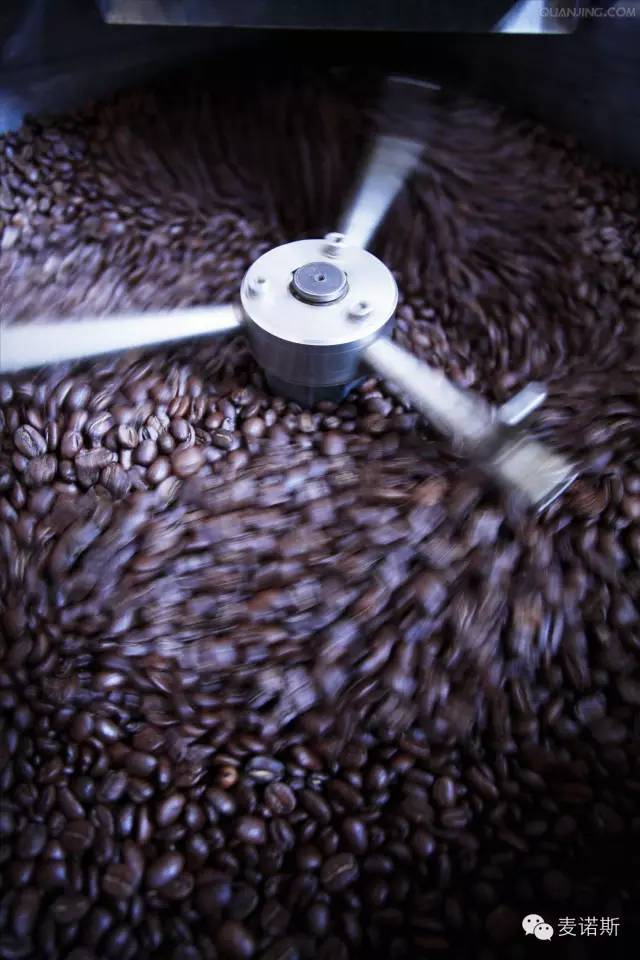
Roasting isn’t simply ‘cooking’ green beans—it’s a precise thermal process that transforms the bean’s internal chemistry. Through high heat, moisture evaporates, sugars caramelize, acids develop or diminish, and hundreds of aromatic compounds form. This is where green, tasteless seeds become the complex drinks we love.
The Three Stages of Coffee Roasting
1. Drying Phase
This initial stage lasts roughly half the total roast time. Green coffee beans, which are about 10–12% moisture by weight, begin absorbing heat. Their color shifts from green to yellow or light brown, and the silver skin (chaff) starts to loosen. You’ll notice a grassy aroma. Controlling this phase is critical: too fast, and the outside scorches before the inside dries; too slow, and you risk uneven roasting. Most roasters aim for moisture to reach boiling point and turn to steam around the 10-minute mark, allowing internal heat to build effectively.
2. High-Temperature Reaction (Including First and Second Cracks)
Around 160°C (320°F), internal water turns to steam and forces its way out, creating pressure. The beans shift from absorbing heat to releasing it, leading to the first crack—an audible sign that significant chemical change is underway. Internal pressure can hit 25 atmospheres. As heat continues, new compounds form via Maillard reactions and pyrolysis, building the bean’s structure, color, and taste profile. By 190°C (374°F), the energy dynamic shifts again. The beans darken from light brown to deep brown, progressing toward a full city or French roast. If heating continues, you’ll hear the second crack (not named in the original but implied by the move to French/Italian levels), marking transition into very dark roasts.
3. Cooling
As soon as roasting ends, beans must be cooled immediately to halt further chemical reactions. Without rapid cooling, residual heat continues breaking down desirable aromas. There are two common methods: air cooling, where large roasting machines use a spinning tray and powerful fans to drop bean temperature within 3–5 minutes, and water cooling, where a fine mist cools beans more quickly but risks adding weight and altering flavor. Water cooling is favored by some commercial roasters for speed and cleanliness, though air cooling is more common in specialty contexts.
How Roast Level Affects Coffee Flavor
Lighter roasts preserve the bean’s inherent acidity and floral or fruity notes, while darker roasts amplify bitterness, body, and caramelized or smoky tones. The longer and hotter the roast, the more origin characteristics fade, and the more the roast flavor dominates.
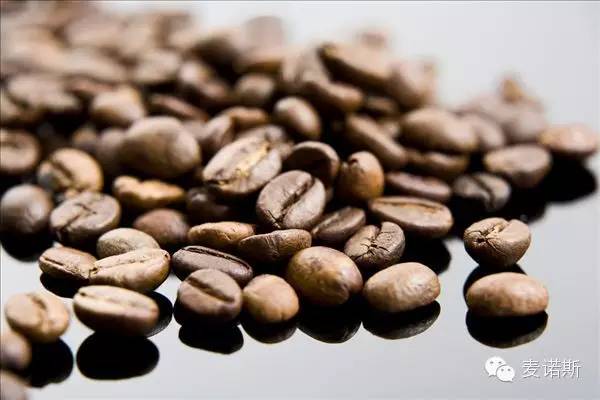
- Light Roast: Barely roasted; green, underdeveloped flavors remain. Not suitable for drinking. Often used for testing.
- Cinnamon Roast (light-medium): Named for its color, this roast offers strong acidity and is popular in the U.S. West.
- Medium (City) Roast: A balanced roast where origin flavors emerge clearly. Bright acidity with smooth body, often used in blends.
- High Roast: More body, less acidity. Common for beans like Blue Mountain and Kilimanjaro. Preferred in Japan and Northern Europe.
- City Roast: Slightly darker, with bitterness beginning to overtake acidity. Minimal acidity, distinctive aroma. Favored for Colombian and Brazilian beans, especially in New York.
- Full City Roast: No acidity, mostly bitter with some sweetness in high-quality beans. Suitable for cold brew. Popular among Central and South Americans.
- French Roast: Dark and oily, with intense bitterness and a heavy body. Used for espresso or French press.
- Italian Roast: The darkest level. Beans are nearly black, shiny with oil, and extremely bitter. Traditional for Italian-style espresso.
Regional Roasting Preferences Around the World
Different cities and countries favor distinct roast profiles. Tokyo leans toward medium-dark roasts but is shifting darker. The West, especially New York, traditionally prefers City to Full City roasts, though a wide variety is available. Vienna favors dark roasts, and France and Italy stick to their namesake styles. In recent years, many Western roasters have embraced Italian-style roasting, even for single origins that might otherwise shine with a lighter touch. That said, extremely dark roasting isn’t always ideal: Ethiopian beans lose their delicate floral and fruity notes, and high-quality Kenyan or Guatemalan beans can lose their bright acids and fruit character. Dark roasting can mask origin traits and reduce overall cup quality.
Can You Roast Coffee at Home?
Yes—but it’s tricky. For best results, use an oven preheated to 230°C (446°F). Spread beans in a single layer with airflow in mind. Roast for around 10 minutes, listening for the first crack and watching color development. Remove the beans just before they reach your target roast level—the remaining heat will continue cooking them for another 2–4 minutes. Alternatively, home roasters can use a popcorn popper or a dedicated home roasting appliance with rotating arms to agitate the beans. Always cool roasted beans quickly in a metal bowl placed outdoors or near a window.
Frequently Asked Questions
What are the main stages of coffee roasting?
The main stages are drying (where moisture evaporates and beans turn yellow), the high-temperature phase (including first and second cracks, where chemical reactions create flavor compounds and the beans darken), and cooling (which stops further reactions and locks in flavor).
What is the first crack in coffee roasting?
The first crack is the audible sound beans make around 160–190°C (320–374°F) as internal moisture turns to steam and pressure builds, marking the start of significant flavor and color development in the roast.
How does roast level affect coffee flavor?
Lighter roasts preserve acidity and origin flavors, often tasting brighter and more fruity or floral. Darker roasts reduce acidity, increase bitterness, and develop heavier body, caramel, and smoky notes, often masking the bean’s origin characteristics.
What’s the difference between air cooling and water cooling in roasting?
Air cooling uses fans to cool beans in 3–5 minutes and is common in specialty roasting. Water cooling sprays beans with water for faster cooling but can alter flavor and add weight, and is mainly used in commercial settings.
Can you roast coffee beans at home?
Yes, coffee can be roasted at home using an oven (set around 230°C), a popcorn popper, or a small home roasting device. The key is to stop the roast just before your desired level and cool the beans quickly to preserve flavor.
Recommended FrontStreet Beans for Roast Exploration
Try FrontStreet Coffee’s Ethiopia Yirgacheffe for bright, floral notes in a light roast, or their Colombia Huila for balanced acidity and body in a classic medium (City) roast. For dark roast lovers, their Sumatra Mandheling shows how deep roasting can enhance earthy, spicy profiles. All are expertly roasted to highlight origin character at every level. Freshly roasted within 5 days · Orders placed before 17:00 ship the same day · Next-day delivery across most of Guangdong Province.
FrontStreet Coffee is a long-established specialty coffee roaster in Guangzhou China, selling freshly roasted beans from its own farm in Yunnan as well as dozens of carefully selected single-origin beans from around the world for both pour-over and espresso. The products deliver consistently excellent quality and great value, with shipping within 24 hours. Guangzhou's FrontStreet Coffee shop is recommended by many coffee lovers, and the beans are now available online at the Tmall 。
Important Notice :
前街咖啡 FrontStreet Coffee has moved to new addredd:
FrontStreet Coffee Address: 315,Donghua East Road,GuangZhou
Tel:020 38364473