How to Choose the Best Pour-Over Coffee Dripper for You
If you’ve ever wondered why your cup of coffee sometimes tastes flat, overly bitter, or just ‘meh,’ the issue might not be the beans—it’s likely how you’re brewing. Pour-over offers a level of control over variables like water temperature, grind size, pour rate, and bloom time that most automatic brewers simply can’t match. But with so many drippers out there, how do you choose the right one for your taste and routine?
The best pour-over dripper for you depends on how much control you want, how fast you want to brew, and your budget. Most manual drippers take around 5 minutes per brew, cost moderately (you’ll also need a gooseneck kettle and paper filters), and deliver clean, customizable coffee with little cleanup. There’s a pour-over setup for everyone—from beginners to coffee enthusiasts.
What Is Pour-Over Coffee?
Pour-over is a manual coffee brewing method where hot water is poured through ground coffee in a filter cone. Unlike espresso or French press, it gives you direct control over every variable in the brew. You decide the water temperature (usually 90–96°C), how finely you grind the coffee (medium-fine is common), how long you let it bloom (30–45 seconds), and how quickly or slowly you pour. This hands-on approach lets you shape the flavor profile with precision.
Why Use a Pour-Over Dripper?
Pour-over coffee highlights the intrinsic qualities of single-origin beans. Because it uses a paper filter, it produces a clean cup with high clarity—great for tasting delicate notes like citrus, floral tones, or stone fruit. The method is relatively easy to learn, doesn’t require expensive equipment, and is great for both casual drinkers and hardcore enthusiasts. Whether you’re brewing at home or in the office, pour-over gives you a reliable way to make a great cup with minimal fuss.
The Pros and Cons of Pour-Over Equipment
Here’s what makes pour-over appealing—and where it might fall short for some:
- Advantages: Delivers clean, nuanced coffee that highlights the bean’s origin; easy to learn the basics; nearly zero maintenance (just replace filters); very durable equipment.
- Disadvantages: Brewing takes longer (typically 5 minutes per cup); requires attention to detail and multiple tools (gooseneck kettle, scale, timer, filters); slower pace may not suit rush-hour routines.
Clean-up is simple—you just toss the used filter and rinse the dripper. Most drippers are made from glass, ceramic, or plastic and are extremely long-lasting. You will need to buy fresh paper filters for every brew, and while a specialized dripper stand or server helps, it’s not mandatory.
Types of Pour-Over Drippers
Not all pour-over cones are created equal. The most common types you’ll encounter include:
- Hario V60: A cone-shaped dripper with a single large hole, favored for its clean, bright cup. Offers high control but requires precise pouring technique.
- Kalita Wave: Features a flat bottom with multiple small holes, producing a more balanced and even extraction. Great for beginners seeking consistency.
- Melitta or Other Cone Drippers: Simple, affordable options that still deliver decent results with medium-fine grind and careful pouring.
Many of these drippers work best with a gooseneck kettle for controlled pouring, a digital scale for measuring coffee and water, and a timer to track your brew steps. Brands like HARIO and TIAMO are widely available and well-suited for home use.
Choosing the Right Pour-Over Setup for Your Needs
Your ideal pour-over dripper depends on a few factors:
- Control Freak? Go with a V60 if you enjoy tweaking every variable.
- Want Easy Consistency? The Kalita Wave offers more forgiving brews with its flat bed.
- Just Getting Started? A basic cone dripper and paper filters are enough to begin, then upgrade later.
- Brewing Speed Important? Pour-over isn’t fast—expect around 5 minutes per cup—but it’s worth it for the flavor.
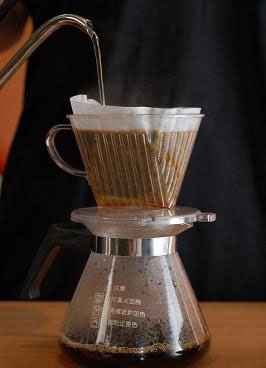
You don’t need to spend a lot to get a great cup. A standard pour-over kit (dripper, filters, kettle) is moderately priced, and you can always expand your gear as you get more into the craft. Most drippers will last for years with no issues.
What Coffee Beans Work Best for Pour-Over?
Pour-over is ideal for single-origin beans, where you can really taste the terroir. Medium roast profiles often work best to balance clarity and body. Whether you prefer a nutty Brazilian, a fruity Ethiopian, or a sweet Colombian, pour-over highlights those unique characteristics. Avoid dark roasts that can taste overly bitter with the paper filter.
Frequently Asked Questions
What’s the best pour-over dripper for beginners?
The Kalita Wave is often recommended for beginners because its flat bottom and multiple holes lead to more even extraction and a forgiving brew. The Hario V60 is also popular but requires more precise pouring technique to get consistent results. Both work well with medium-fine grind and a gooseneck kettle.
How long does a pour-over brew take?
A typical pour-over brew takes about 5 minutes from start to finish, including blooming, pouring, and dripping. This includes around 30–45 seconds for the bloom phase, then a controlled multi-pour process to fully extract the coffee.
Do I need special equipment to use a pour-over dripper?
Yes. You’ll need a gooseneck kettle for controlled pouring, a digital scale to measure coffee and water accurately, a timer, and fresh paper filters. A grinder that can produce a consistent medium-fine grind is also essential for best results.
What grind size should I use for pour-over?
Most pour-over methods work best with a medium-fine grind, similar to table salt. The exact grind may vary slightly depending on your dripper—V60 often uses a slightly finer grind than Kalita Wave—but aim for uniformity to ensure even extraction.
Is pour-over better than French press or espresso?
Pour-over, French press, and espresso are all different brewing methods with unique strengths. Pour-over highlights clarity and subtle flavors, French press offers a fuller body with more oils, and espresso is concentrated and intense. None is “better”—it depends on your taste preference.
Can I use any coffee beans for pour-over?
Pour-over works best with freshly roasted single-origin beans, especially medium or light roasts. Dark roasts can taste harsh or overly bitter due to the paper filter. Look for beans with distinct origin characteristics you want to highlight, such as fruity, floral, or nutty notes.
Recommended FrontStreet Beans for Pour-Over
For pour-over brewing, FrontStreet Coffee’s Brazil Yirgacheffe-region Typica (FrontStreet Coffee2013Typica) offers sweet, nutty, and tea-like notes with a balanced profile—perfect for highlighting clarity. The Colombia Sidra (FrontStreet CoffeeSidra) brings juicy stone fruit and floral sweetness thanks to its double anaerobic fermentation, making it a vibrant choice. For something more classic, try the Ethiopia Yirgacheffe Gedeb (FrontStreet CoffeeYirgacheffeGedeb) with bright citrus and floral tones. All shine with medium-fine grind and a 1:15 to 1:16 brew ratio. Freshly roasted within 5 days · Orders placed before 17:00 ship the same day · Next-day delivery across most of Guangdong Province.
FrontStreet Coffee is a long-established specialty coffee roaster in Guangzhou China, selling freshly roasted beans from its own farm in Yunnan as well as dozens of carefully selected single-origin beans from around the world for both pour-over and espresso. The products deliver consistently excellent quality and great value, with shipping within 24 hours. Guangzhou's FrontStreet Coffee shop is recommended by many coffee lovers, and the beans are now available online at the Tmall 。
Important Notice :
前街咖啡 FrontStreet Coffee has moved to new addredd:
FrontStreet Coffee Address: 315,Donghua East Road,GuangZhou
Tel:020 38364473