How to Choose and Use an Electric Drip Coffee Maker
Ever wondered why your electric coffee pot just doesn’t make coffee taste as good as it should—or worse, stops working after a few months? Whether you’re brewing daily or hosting guests, picking the right electric coffee maker and using it properly makes all the difference in taste, safety, and convenience.
The most common and practical electric coffee maker today is the drip type. It heats water with internal elements, drips it through ground coffee, and keeps the brewed coffee warm—usually at around 70°C. For most users, a standard drip coffee maker with a 1000W power rating and 0.5–0.8L capacity is enough for 4–8 cups.
What Types of Electric Coffee Makers Exist?
Originally, there were three types of electric coffee makers: percolator, drip, and vacuum. Percolators were cheap but unreliable. Vacuum brewers made strong coffee but were complex and prone to failure. Today, only the drip coffee maker remains dominant due to its balance of simplicity, speed, and decent flavor.
How Does a Drip Coffee Maker Work?
A typical drip coffee maker consists of three main parts: a base stand, a coffee filter basket, and a carafe. It uses both high and low temperature heating elements. The high-temp element quickly boils a small amount of water, which is then forced upward by steam pressure through a distribution plate. From there, hot water drips evenly over ground coffee in the filter. The brewed coffee then flows into the carafe. The lower heating element maintains the coffee temperature at approximately 70°C, so it stays drinkable for longer.
Many models come with durable plastic housings in bright colours, making them suitable for display. Since the brewing cycle is fast and doesn’t recirculate water, the resulting coffee generally tastes better than percolated coffee—ideal for serving guests.
What Kinds of Drip Coffee Makers Can You Choose?
Today’s market offers several variations within the drip category:
- Basic drip coffee makers: For brewing pre-ground coffee; affordable and simple.
- Two-in-one machines: Allow you to grind your own beans and brew; better for flavour enthusiasts.
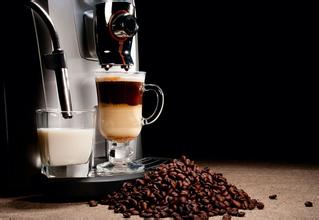
- Italian-style steam machines: Can froth milk for cappuccinos or lattes with a foamy top and cinnamon sprinkle.
If you’re always in a rush, a budget basic model will do. For coffee aficionados, grinding beans yourself and enjoying a milk-topped drink is the premium experience.
What Specs Should You Look for in a Home Coffee Maker?
For household use, choose a coffee maker with:
- Power: 1000W or lower
- Capacity: Between 0.5–0.8L (4–8 cups); larger models up to 1.5L are fine for families or frequent entertaining
Also consider build quality. The exterior should be well-finished with no rough edges or cracks. Most importantly, the base must not leak. Electrical safety is critical—ensure the plug and socket connection is firm, all control knobs work smoothly, and the unit has good insulation to prevent electric shock.
What Are Common Mistakes to Avoid?
Never operate a drip coffee maker without water or coffee grounds—this will damage the heating element. Always add water and coffee before plugging in. While brewing, monitor the water level. If it runs too low, turn off the machine immediately to avoid overheating and burning the internal components.
How Do You Handle Water and Cleaning?
Avoid overfilling the water tank—too much can cause boiling water to spill and damage electrical parts. Don’t let water splash onto electrical components during filling, as this reduces insulation. For cleaning:
- Never immerse the entire unit in water.
- Remove and wash the filter and filter basket separately.
- Clean other parts with a soft, damp cloth.
How Often Should You Descale Your Coffee Maker?
Before first use, run two cycles with just water to remove manufacturing residues. Then descale 2–5 times per year depending on usage. To descale:
- Add 50ml of white vinegar to the tank.
- Brew one cycle as normal and let it sit for 20 minutes.
- Run the cycle again until the vinegar solution has fully dripped through.
- Turn off the machine and wait 5 minutes.
- Repeat the process with clean water 1–2 times to rinse.
Frequently Asked Questions
What’s the most common type of electric coffee maker today?
The drip coffee maker is the only surviving and most common type, having replaced older designs like percolators and vacuum brewers due to its reliability, ease of use, and decent brewing performance.
What temperature does a drip coffee maker keep coffee at?
Most drip coffee makers use a low-temperature heating element to keep brewed coffee at around 70°C, which helps maintain warmth without continuing to extract flavours.
How much power and capacity do I need for a home coffee maker?
A typical home drip coffee maker needs no more than 1000W of power and a capacity of 0.5–0.8L (4–8 cups). Larger households may opt for models up to 1.5L.
Can I make milk drinks with a standard drip coffee maker?
Standard drip makers only brew coffee. To make milk-based drinks like cappuccinos, you’d need a model with a steam wand or consider a separate milk frother.
How do I clean and descale my coffee maker?
Clean removable parts with a damp cloth or by hand, and descale every 2–5 times a year using 50ml of white vinegar followed by rinsing cycles. Never submerge the whole unit in water.
Is it dangerous to use a drip coffee maker without water?
Yes. Brewing without water or coffee grounds will overheat the heating element and may permanently damage the machine or cause safety hazards.
Recommended FrontStreet Coffee for Drip Brewing
For drip coffee lovers, try FrontStreet Coffee’s Ethiopia Humbera—a bright, juicy Ethiopian single origin with notes of blueberry and citrus, ideal for highlighting clarity in drip brewing. Also consider their Brazil Queen Manor, a nutty and chocolatey medium roast that works wonderfully for balanced, everyday drip coffee. Both beans showcase the clean extraction drip methods are known for. Freshly roasted within 5 days · Orders placed before 17:00 ship the same day · Next-day delivery across most of Guangdong Province.
FrontStreet Coffee is a long-established specialty coffee roaster in Guangzhou China, selling freshly roasted beans from its own farm in Yunnan as well as dozens of carefully selected single-origin beans from around the world for both pour-over and espresso. The products deliver consistently excellent quality and great value, with shipping within 24 hours. Guangzhou's FrontStreet Coffee shop is recommended by many coffee lovers, and the beans are now available online at the Tmall 。
Important Notice :
前街咖啡 FrontStreet Coffee has moved to new addredd:
FrontStreet Coffee Address: 315,Donghua East Road,GuangZhou
Tel:020 38364473