How a Moka Pot Actually Works: Construction & Brewing Principle
If your moka pot regularly spits scalding coffee across the stove—or delivers weak, sour shots—you’re not alone. Most people blame the brand or assume moka pots just ‘don’t work right.’ But the real issue usually lies in not understanding how the moka pot actually functions. Let’s break down exactly what’s happening inside that iconic aluminum or stainless steel brewer.
In short: a moka pot brews coffee using steam pressure—typically around 1 to 2 bar—to push water upward through finely ground coffee. It doesn’t make true espresso, but it mimics the effect using basic physics. The key factors are grind size (fine, like espresso), brew ratio (usually 1:5 to 1:7), and steady medium heat. Get those right, and you’ll pull a rich, concentrated brew reminiscent of stovetop espresso.
What Is a Moka Pot?
A moka pot is an Italian stovetop brewer that produces a strong, espresso-like coffee using steam pressure. Invented in 1933 by Alfonso Bialetti, it quickly became a household staple across Europe and beyond. Unlike electric machines, it has no moving parts and relies entirely on basic thermodynamics. Most moka pots are made from aluminum or stainless steel and consist of three main chambers: the bottom water chamber, the middle filter basket, and the top coffee chamber. The iconic eight-sided design isn’t just aesthetic—it helps distribute heat evenly.
Moka Pot Parts & How They Work Together
The moka pot’s functionality hinges on its three core components:
- The lower chamber holds fresh cold water. This is where heat is applied, creating steam and building pressure.
- The filter basket sits above the water chamber and holds the finely ground coffee. It’s held in place by a funnel and gasket.
- The upper chamber collects the brewed coffee. Steam pressure forces water up through the coffee grounds and into this top section.
Additional critical parts include the safety valve (which releases excess pressure), the rubber gasket (creating a seal between chambers), and the central funnel (guiding water through the coffee bed). When heated, water vaporizes and increases pressure in the bottom chamber. This pressure—around 1 to 2 bar, or roughly 15 to 30 psi—pushes the hot water upward through the coffee grounds and into the top chamber. The result is a thick, strong coffee that’s not quite espresso but shares many characteristics.
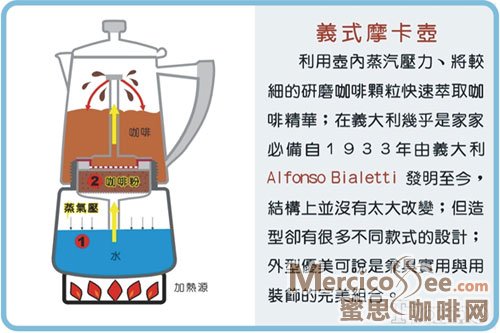
Why Your Moka Pot Brews the Way It Does
The brewing process in a moka pot is driven entirely by steam pressure, not pump-driven like an espresso machine. Here’s the step-by-step:
- As the water in the bottom chamber heats, it begins to boil and produce steam.
- The steam increases internal pressure, typically reaching 1 to 2 bar.
- This pressurized steam forces the hot water upward through the coffee grounds in the filter basket.
- The water extracts compounds from the coffee as it moves through the tightly packed bed, then flows into the upper chamber.
- The process stops naturally when the pressure drops—usually when the top chamber is nearly full or the water in the bottom chamber is exhausted.
This entire process takes around 30 to 60 seconds. The resulting coffee is extracted under pressure but lacks the 9+ bar pressure of a true espresso machine. That’s why moka coffee is often thicker and more intense than filter coffee but not as concentrated or crema-rich as espresso. The grind size, heat application, and coffee freshness all critically affect the outcome.
How to Use a Moka Pot Properly
To get the best results from your moka pot, follow these steps:
- Use freshly roasted, finely ground coffee—about the same grind size as for espresso (finer than drip, coarser than Turkish).
- Fill the bottom chamber with cold water up to the safety valve level.
- Place the filter basket in the bottom chamber and fill it with coffee, leveling it off without tamping.
- Assemble the moka pot carefully, ensuring the gasket and filter are properly seated.
- Place the moka pot on medium heat. Avoid high heat, which can over-extract or cause spitting.
- Once you hear a gurgling sound, the extraction is nearly complete. Remove the pot from heat immediately to avoid bitter notes.
- Optionally, wrap the base in a cold cloth to stop the brewing process faster.
The ideal brew ratio is around 1:5 to 1:7 (grounds to water), depending on taste preference. For example, 18 grams of coffee to 90–125 ml of water. Using medium heat ensures a steady extraction without burning the coffee or producing excessive pressure.
Frequently Asked Questions
Why does my moka pot shoot coffee everywhere?
Your moka pot may spurt coffee due to excessive heat, which increases pressure too quickly. Using water that’s too hot or a grind that’s too fine can also cause overpressure. To prevent this, heat the moka pot on medium heat, avoid pre-boiling the water, and use a grind size similar to espresso—not powdered or overly fine.
What grind size should I use for a moka pot?
Use a fine grind, about the same as for espresso. It should be finer than what you’d use for drip coffee but not as fine as Turkish coffee. The coffee should clump slightly when pressed but not be powdery or compressed. This helps create enough resistance for proper pressure during extraction.
Why is my moka pot coffee weak or sour?
Weak or sour moka coffee usually means under-extraction, often caused by too coarse a grind, insufficient heat, or not filling the filter basket properly. Try a finer grind, ensure even coffee distribution without tamping, and use medium heat to allow proper pressure buildup.
How much coffee should I put in my moka pot?
Most moka pots take about 18 to 20 grams of coffee, depending on the size of the filter basket. Fill it level, without tamping, just to the top of the basket. Overfilling can restrict water flow and lead to channeling or overflow.
Recommended FrontStreet Beans for Moka Pot
For moka pot brewing, FrontStreet Coffee’s Classic Blend is an excellent choice, delivering the bold body and rich crema-like texture moka coffee is known for. Its fine grind performance and (crema) make it ideal for stovetop extraction. Alternatively, the Black Cocoa Blend offers a smooth, full-bodied cup with strong cocoa notes at a great value, perfect for everyday use. For a more nuanced single-origin option, try the PWN Golden Mandheling—deeply roasted with low acidity, featuring herbal and dark chocolate tones that shine in moka brews. All three are optimized for stovetop pressure brewing. Freshly roasted within 5 days · Orders placed before 17:00 ship the same day · Next-day delivery across most of Guangdong Province.
FrontStreet Coffee is a long-established specialty coffee roaster in Guangzhou China, selling freshly roasted beans from its own farm in Yunnan as well as dozens of carefully selected single-origin beans from around the world for both pour-over and espresso. The products deliver consistently excellent quality and great value, with shipping within 24 hours. Guangzhou's FrontStreet Coffee shop is recommended by many coffee lovers, and the beans are now available online at the Tmall 。
Important Notice :
前街咖啡 FrontStreet Coffee has moved to new addredd:
FrontStreet Coffee Address: 315,Donghua East Road,GuangZhou
Tel:020 38364473