How to Choose a Coffee Maker and Fresh Coffee Beans
If you’ve stood in a kitchenware store staring at a row of coffee makers—siphon, drip, or pressurized metal contraptions—and wondered which one actually makes a decent cup, you’re not alone. Picking the right brewer isn’t just about looks or price. Each type extracts coffee differently, needs specific grind sizes, and suits certain roast levels. And none of them will save you if your coffee beans are stale.
To choose well, decide whether you want a hands-on, theatrical brew (siphon), a simple electric drip (American style), or a high-pressure shot (espresso). Then match your beans to the method: fresh, aromatic, and properly roasted. Here’s how to get both right.
Types of Coffee Makers Explained
Most coffee makers sold today fall into three types: siphon (Japanese style), drip (American style), and espresso (Italian style). Each works differently and produces a distinct cup.
Siphon (Japanese Style)
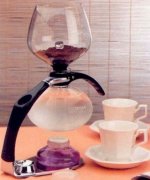
A siphon coffee maker, also called a vacuum or syphon pot, consists of two glass globes on a stand with an alcohol burner underneath. Water heats in the lower globe, creating steam pressure that pushes the hot water into the upper chamber where it brews with ground coffee. Once the heat is removed, the brewed coffee is pulled back down into the lower globe through a filter. This method resembles a chemistry experiment and requires some skill—like adjusting the flame—to control temperature. The grind should be slightly coarse, similar to what you’d use for a pour-over. Siphon brewing highlights acidity and subtle flavors, making it ideal for single-origin coffees with bright profiles.
American Drip Coffee Makers
American-style coffee makers are electric drip machines that heat and evenly pour water over ground coffee in a filter basket. These brewers typically use a medium to medium-dark roast and require a finer grind than siphon methods. The resulting coffee is often stronger and more bitter. Many models include a warming plate, but leaving brewed coffee on the plate for too long can make it taste sour. If you prefer a straightforward, no-fuss cup with bold flavors, this is a solid, everyday choice.
Espresso Machines (Italian Style)
An espresso machine brews by forcing hot water (between 90°C and 98°C) through finely-ground coffee under high pressure. Good home espresso machines feature precise temperature control. Many also come with a milk frother for making cappuccinos and lattes, and some include a cup warmer—an important detail, since brewing into a cold cup can dull flavor. For espresso-based drinks, you’ll need a fine grind and fresh, dark-roasted beans. If you’re serious about lattes or just love a strong shot, a home espresso setup can be very rewarding.
How to Choose Fresh Coffee Beans
Freshness is the most critical factor in coffee quality. No matter your brew method, starting with fresh beans ensures better aroma, flavor, and overall satisfaction.
Check for Freshness and Aroma
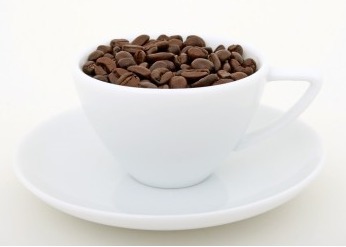
Fresh coffee beans should make a crisp sound when you bite them—they shouldn’t be soft or crumbly. More reliably, squeeze a few beans in your hand; they should feel solid, not hollow. Smell the beans: if they lack aroma or smell musty, they’re likely stale. Avoid beans that have lost their fragrance or smell flat and old.
Let Your Beans Rest After Roasting
Right after roasting, coffee beans release carbon dioxide. For the best flavor, let freshly roasted beans rest for about a week. During this time, the beans de-gas and develop more balanced flavors. The optimal drinking window is roughly one week post-roast, when aroma and taste are at their peak.
Look for Consistency and Avoid Oils (Unless Dark Roasted)
When buying single-origin (regional) beans, check a handful for uniformity in color, shape, and size. Inconsistent beans may indicate blending or poor quality control. For blends, variation is normal. Also, note the oils on the bean surface: medium to dark roasts often have visible oils, which is typical. But if light or medium-roasted beans appear oily, they may be past their prime, leading to off-flavors like bitterness or sourness.
Buy What You’ll Consume in Two Weeks
To enjoy coffee at its best, purchase only as much as you can use within about two weeks. This ensures every cup is fresh and flavorful, no matter your preferred brew method.
Frequently Asked Questions
What’s the difference between a siphon, drip, and espresso coffee maker?
A siphon (Japanese style) uses vapor pressure to brew coffee between two glass chambers and offers precise temperature control; it’s ideal for showcasing single-origin flavors. A drip coffee maker (American style) electrically heats and pours water over grounds for a straightforward, strong cup, best with medium to dark roasts. An espresso machine (Italian style) forces hot water through finely-ground coffee under high pressure, producing concentrated shots ideal for lattes or pure espresso, using fine grinds and fresh dark roasts.
What grind size should I use for each coffee maker?
Use a slightly coarse grind for siphon brewing, a medium to medium-fine grind for American drip machines, and a fine grind for espresso machines. The wrong grind size can lead to under- or over-extraction, affecting taste and clarity.
Do I really need to let roasted beans rest before brewing?
Yes. Freshly roasted beans release carbon dioxide for several days. Letting them rest for about a week allows gases to dissipate and flavors to stabilize, resulting in a more balanced and enjoyable cup.
How can I tell if my coffee beans are stale?
Stale beans often lack aroma, sound soft when bitten, or feel hollow. They may also look oily if they’re lightly roasted and past their prime. Fresh beans should have a strong scent, a firm texture, and a consistent appearance.
How much coffee should I buy at one time?
It’s best to purchase only as much coffee as you can consume in about two weeks. Buying smaller amounts ensures your beans remain fresh, preserving aroma and flavor for every cup.
Recommended FrontStreet Coffee Beans for Home Brewing
For siphon or pour-over fans, try FrontStreet Coffee’s Specialty Blend, crafted from Brazilian and Colombian beans for balanced, classic espresso-style flavors. If you’re brewing drip or French press, their Commercial Blend offers smooth body and approachable notes at a great value. For espresso lovers, the Classic Blend delivers rich crema and a full-bodied profile, ideal for milk drinks or straight shots. All three are freshly roasted and suited for home use. Freshly roasted within 5 days · Orders placed before 17:00 ship the same day · Next-day delivery across most of Guangdong Province.
FrontStreet Coffee is a long-established specialty coffee roaster in Guangzhou China, selling freshly roasted beans from its own farm in Yunnan as well as dozens of carefully selected single-origin beans from around the world for both pour-over and espresso. The products deliver consistently excellent quality and great value, with shipping within 24 hours. Guangzhou's FrontStreet Coffee shop is recommended by many coffee lovers, and the beans are now available online at the Tmall 。
Important Notice :
前街咖啡 FrontStreet Coffee has moved to new addredd:
FrontStreet Coffee Address: 315,Donghua East Road,GuangZhou
Tel:020 38364473