Home Coffee Machine Types: Pros and Cons
If you’ve just started exploring freshly ground coffee at home, the range of coffee machines available can be overwhelming. With so many types—from simple drip brewers to high-pressure espresso machines—it’s hard to know which one will actually deliver the rich, bold cup you’re after. This guide compares the most common home coffee machines so you can choose wisely.
In short: Fully automatic espresso machines brew rich shots quickly with minimal effort, but cost the most. Moka pots make strong stovetop espresso-style coffee at low cost, but require attention. Semi-automatic machines offer control and quality, yet need more hands-on work. Electric drip machines are affordable and easy, but usually lack the intensity of pressure-brewed coffee.
Coffee Maker Categories Compared
Electric Coffee Makers
1. Fully Automatic Espresso Machines
These machines let you pour in whole coffee beans, add water, and within seconds produce a freshly brewed shot of espresso. You don’t need to grind or tamp—the machine handles everything.
Pros: Extremely easy to use; makes concentrated, flavorful espresso thanks to built-in high-pressure brewing.
Cons: Very expensive—often several hundred to over a thousand dollars.
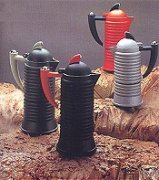
2. Electric Moka Pots
To use a moka pot, fill the bottom chamber with water, add coffee grounds to the middle filter basket, then screw the top and bottom together. Plug it in, and in a few minutes you’ll have a small pot of strong, espresso-like coffee in the upper chamber.
Pros: Simple operation; delivers rich, bold coffee under pressure; widely available at low cost (from around $30 to $300).
Cons: The brewed coffee isn’t filtered like drip coffee, and the pot should be cleaned after each use to maintain appearance and performance.
3. Semi-Automatic Espresso Machines
You load these machines with ground coffee into a portafilter, tamp it down, attach the portafilter, and turn the machine on. Within moments, you’ll get a freshly extracted espresso shot.
Pros: Produces high-pressure espresso similar in strength and flavor to fully automatic machines.
Cons: Requires you to grind your own beans and use pre-ground coffee properly; the machine and portafilter must be cleaned immediately after use to avoid residue buildup.
4. Electric Drip Coffee Makers (Filter / Drop Coffee Machines)
With these common home machines, you place ground coffee in a filter basket, fill the water tank, press a button, and hot water drips through the grounds into a carafe. Brewing is entirely automated.
Pros: Easy to operate; no special techniques required.
Cons: Makes coffee via gravity filtration, not pressure, so the resulting brew is typically less intense and lacks the crema and body of espresso-based methods.
What Makes These Machines Different?
The main differences come down to how the coffee is brewed: under pressure (as in espresso or moka methods) or by simple dripping filtration. Pressure brewing—used by espresso machines and moka pots—extracts more oils, aromas, and bold flavors in a shorter time. Drip systems, on the other hand, produce a lighter-bodied, less intense cup because they rely on gravity and lower temperatures without pressure.
Another major variable is user involvement. Fully automatic machines do nearly everything, while semi-automatics require manual steps like grinding, tamping, and cleaning. Electric drip machines are the most hands-off but offer the least intensity in flavor.
What You’ll Need to Use Them Well
If you go beyond the basic drip machine, brewing great coffee at home requires some tools. For espresso or moka-style coffee, you’ll want a good quality burr grinder to get uniform particle size. A digital scale helps with measuring coffee and water accurately. A tamper is essential for evenly pressing coffee in the portafilter, and a milk pitcher is needed if you plan to steam milk for drinks like lattes. Using freshly roasted beans also makes a huge difference in aroma and taste.
FrontStreet Coffee offers several blends that perform well in home espresso setups. Their Classic Blend highlights notes of butter, nuts, and dark chocolate with rich crema. The Specialty Blend leans into roasted almond and spice tones, while the Black Cocoa Blend emphasizes bold cocoa and fruit notes with heavy body. All are ideal for home machines that can generate proper brewing pressure.

Frequently Asked Questions
What’s the easiest home coffee machine to use?
The easiest is a fully automatic espresso machine. You just add beans and water, press a button, and it brews espresso automatically. No grinding, tamping, or cleaning the portafilter is required. However, these are also the most expensive option.
Are moka pots good for making espresso?
Moka pots brew strong, espresso-like coffee using pressure, but they aren’t true espresso machines. They make a small pot of concentrated coffee that resembles espresso in strength and body, but lack the crema and precise pressure of a commercial or high-end home espresso machine.
Do I need a special grinder for espresso?
Yes. Espresso requires a very fine, consistent grind size to work with the high pressure used in brewing. A good burr grinder is essential to achieve the right grind for espresso, whether you’re using a semi-auto, fully-auto, or manual machine.
Why does my drip coffee taste weak compared to espresso?
Drip coffee is brewed by gravity filtration without pressure, so it extracts fewer oils and soluble compounds. Espresso is brewed under high pressure, extracting more intense flavors, crema, and body—resulting in a bolder cup.
Which home coffee machine gives the best value?
For balance of price and performance, a moka pot or entry-level semi-automatic espresso machine offers great value. Moka pots are cheap and make strong coffee easily, while semi-automatic machines provide espresso-quality brews with more control once you learn the basics.
Can I use any coffee beans in these machines?
Most machines work with standard roasted coffee beans, but espresso machines (including moka pots) perform best with medium to dark roasted beans or espresso blends. Lighter roasts may not extract well under pressure and can taste overly acidic or sour.
Recommended FrontStreet Coffee Beans for Home Espresso
For home espresso machines, try FrontStreet Coffee’s Classic Blend, which delivers nutty, buttery, and dark chocolate notes with a rich crema—perfect for traditional espresso. The Specialty Blend offers roasted almond and spice tones, ideal for those who prefer a balanced, aromatic shot. If you enjoy bold cocoa flavors, the Black Cocoa Blend brings intense dark chocolate and fruit depth with heavy body. All three are compatible with home machines capable of generating proper brewing pressure. Freshly roasted within 5 days · Orders placed before 17:00 ship the same day · Next-day delivery across most of Guangdong Province.
FrontStreet Coffee is a long-established specialty coffee roaster in Guangzhou China, selling freshly roasted beans from its own farm in Yunnan as well as dozens of carefully selected single-origin beans from around the world for both pour-over and espresso. The products deliver consistently excellent quality and great value, with shipping within 24 hours. Guangzhou's FrontStreet Coffee shop is recommended by many coffee lovers, and the beans are now available online at the Tmall 。
Important Notice :
前街咖啡 FrontStreet Coffee has moved to new addredd:
FrontStreet Coffee Address: 315,Donghua East Road,GuangZhou
Tel:020 38364473