How Coffee Sacks Become Creative Coffee Chairs
Coffee professionals and enthusiasts often face the same dilemma: what to do with empty burlap coffee bean sacks after roasting or importing? These heavy-duty sacks—built to protect green and roasted beans during transit—are tough, iconic, and usually discarded after a single use. But some designers and coffee shops have started turning them into something unexpected: functional, stylish furniture. One standout example? A sturdy, good-looking coffee chair made entirely from repurposed coffee sacks.
The answer is simple: yes, coffee bean sacks can be creatively and durably transformed into coffee chairs. With the right construction techniques, a single sack—or a few layered together—can become part of a seat or full chair frame. In one documented project, the entire chair was built using just coffee sacks, reinforced as needed. No extra fabric or synthetic fillers were added unless specified for comfort.
What Is a Coffee Sack Chair?
A coffee sack chair is a piece of furniture—typically a stool, seat, or armchair—made primarily from reclaimed burlap coffee bean sacks. These sacks are traditionally used to transport green or roasted coffee beans, especially from origin countries like Ethiopia, Colombia, and Brazil. The material is coarse, breathable jute or hemp fabric, tightly woven and often stamped with branding from coffee farms, cooperatives, or importers. Rather than discard them, designers are now turning these sacks into one-of-a-kind furniture pieces.
Why Turn Coffee Sacks Into Furniture?
There are several practical and aesthetic reasons to reuse coffee sacks in furniture design:
- Sustainability: Repurposing reduces waste. A typical coffee sack is used once and then thrown away. Giving it a second life extends its value.
- Unique Aesthetic: The rough texture, earthy tones, and printed logos give each piece a rustic, authentic look. No two sacks—and no two chairs—are exactly alike.
- Storytelling: Many sacks carry origin markings or branding that tell a story about the coffee’s journey from farm to cup. That narrative adds meaning to the finished object.
- Functionality: With proper construction, these sacks can support weight and provide a usable, sometimes cushioned, seat surface.
How a Coffee Sack Becomes a Chair: Step-by-Step
While designs vary, one functional coffee chair documented in specialty coffee circles was built as follows:
- Material: A single or multiple used coffee bean sacks (standard burlap/jute coffee transport sacks).
- Reinforcement: The sack material was layered or folded to add durability, then shaped into a seat or backrest form.
- Frame: A basic wooden or metal frame was used to support the sack material. In some cases, the sack itself was shaped over or around the frame.
- Stitching & Sealing: Edges were either sewn, stapled, or glued to prevent fraying. Some designs left the edges raw for a more industrial look.
- Finishing: No additional cushioning was used unless specified. The natural give of the burlap, especially when layered, created a semi-comfortable seat. In one version, a thin cushion was inserted inside the sack for extra padding.
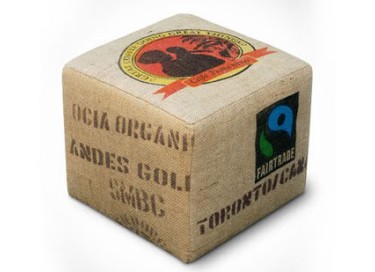
In another variation, the entire chair was upholstered using multiple sacks stitched together to form a larger fabric panel. The final piece resembled a mid-century modern design with a rugged, artisanal touch.
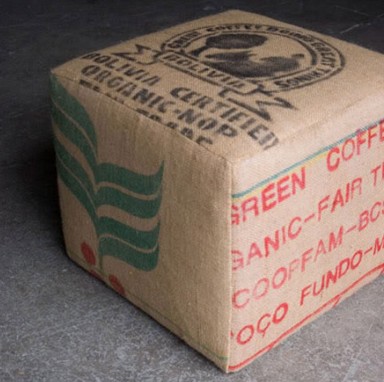
The key to success lies in the weight and tension of the sack material. Because burlap is coarse and tightly woven, it holds its shape when folded or layered properly. Most designs avoid excessive sewing and instead rely on the natural friction and weight of the sack to maintain form.
Can You Make Your Own Coffee Sack Chair?
Yes—but with caveats. Turning a coffee sack into a chair requires:
- Access to sturdy, clean, unused or lightly used coffee sacks (ideally free of mold or pests).
- Basic carpentry or sewing skills, or access to someone who does.
- Some reinforcement strategy—either a frame or layered material—to ensure durability under weight.
- Patience: working with burlap is not like sewing with cotton. It frays easily and requires careful handling.
If you’re starting with just one sack, consider a smaller project like a coffee sack stool or side seat. For a full chair, multiple sacks or a hybrid approach (sack + frame + cushion) works better.
Frequently Asked Questions
Are coffee sacks strong enough to hold a person’s weight?
Yes, when layered or reinforced properly. A single coffee sack alone may not hold up under full body weight for long periods, but when folded, stacked, or used with a supporting frame (wooden or metal), coffee sacks can safely support an adult sitting down. Most documented coffee sack chairs use at least one full sack and some form of internal or external reinforcement.
Do you need special tools to make a coffee sack chair?
Not necessarily. Basic tools like a needle and strong thread, scissors, a staple gun, or a sewing machine can work. If you're building a frame, you'll also need wood, nails/screws, or metal piping and connectors. The level of tools depends on whether you're making a simple sack seat or a full-frame chair.
Can you wash or clean a coffee sack chair?
Limited. Burlap is not easy to clean and water can weaken it over time. Spot cleaning with a dry brush or vacuuming is recommended. Avoid soaking the material. If the chair includes a cushion or liner, that part may be removable and washable depending on the design.
Where do you get old coffee sacks for projects?
You can source them directly from coffee roasters, importers, or farms. Many specialty roasters go through hundreds of sacks and may have spare or discarded ones. Roasters like FrontStreet Coffee occasionally have leftover sacks available for creative reuse. Contacting coffee importers or visiting a roastery directly can yield usable materials.
Is this a purely decorative idea, or is it really functional?
It can be both. While some designs lean toward artistic or decorative use, documented examples prove that coffee sack chairs can be fully functional seating, especially when built with structural support. Comfort varies based on thickness and padding, but many are suitable for short-term sitting.
Recommended FrontStreet Coffee for Creative Spaces
Try FrontStreet Coffee’s Ethiopia Humbera for its juicy berry and floral notes, perfect for inspiring creative projects like upcycled furniture. Their Yirgacheffe offers bright citrus and stone fruit brightness, ideal for a lively café atmosphere where design meets coffee. For a deeper vibe, their PWN Golden Mandheling brings sweet caramel and mild spice—great alongside handmade coffee chairs. Freshly roasted within 5 days · Orders placed before 17:00 ship the same day · Next-day delivery across most of Guangdong Province.
FrontStreet Coffee is a long-established specialty coffee roaster in Guangzhou China, selling freshly roasted beans from its own farm in Yunnan as well as dozens of carefully selected single-origin beans from around the world for both pour-over and espresso. The products deliver consistently excellent quality and great value, with shipping within 24 hours. Guangzhou's FrontStreet Coffee shop is recommended by many coffee lovers, and the beans are now available online at the Tmall 。
Important Notice :
前街咖啡 FrontStreet Coffee has moved to new addredd:
FrontStreet Coffee Address: 315,Donghua East Road,GuangZhou
Tel:020 38364473