Joseph Walsh’s Furniture Resembles Flowing Coffee Liquids
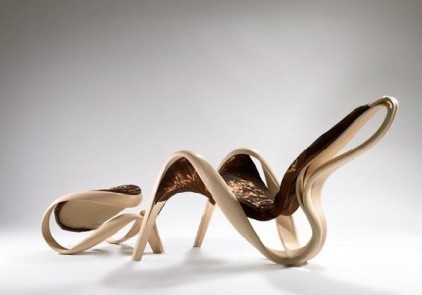
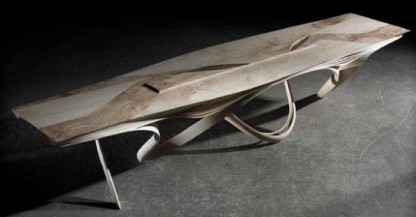
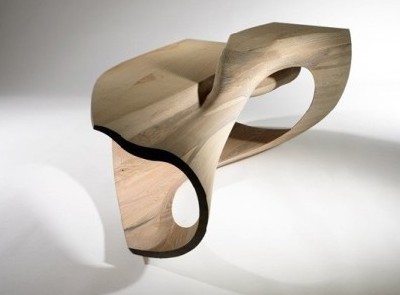
Ever seen a piece of furniture so fluid it looks like it could melt like hot coffee? That’s exactly the effect Irish designer Joseph Walsh achieves with his handcrafted wooden tables and chairs—pieces so smoothly curved they resemble the gentle flow of liquid coffee. But these aren’t just artistic statements—they’re the result of radical changes in how wood is shaped and formed.
Joseph Walsh designs furniture with curves resembling liquid coffee by slicing wood into thin layers and molding them into flowing shapes, using a non-traditional layering technique that breaks from standard solid-wood carpentry. His signature fluid forms are achieved without digital fabrication, relying instead on handcrafting and custom molds.
How Joseph Walsh Creates Coffee-Like Furniture
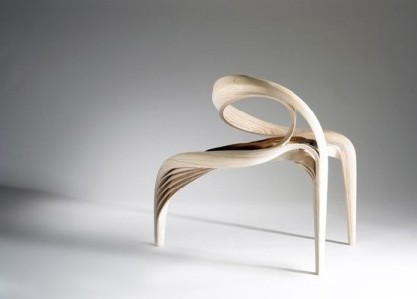
Walsh is not a classically trained furniture maker—he’s entirely self-taught. His breakthrough came when he stopped treating wood as a rigid block and started seeing it as a malleable material that could be layered and shaped. By slicing timber into thin sheets and reforming them over custom molds, Walsh creates furniture with seamless, flowing lines. This technique allows him to craft pieces that defy the angular norms of traditional woodworking.
The result? Surfaces that look and feel as though they’ve been poured and set—like a thick, glossy coffee pour-over resting solidified on a dining table. The aesthetic is often described as “” (silky smooth), akin to the famed chocolate ad. Walsh’s furniture captures an organic grace rarely seen in functional design.
The Technique Behind the Fluid Form
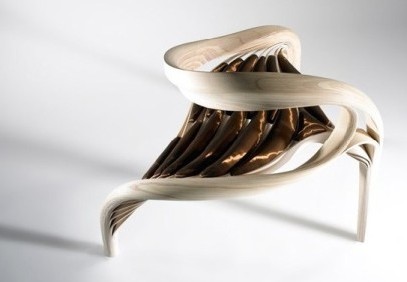
Traditional woodworking typically relies on carving or assembling solid blocks of wood, which limits the range of shapes. Walsh flips this approach by using thin wood veneers or slices that are bent and bonded over custom-formed molds. These layers are glued together under pressure, creating a single, solid piece with a continuous, flowing silhouette.
This method requires no metal fasteners or visible joints—the strength comes from the lamination itself. The wood retains its natural grain, but the overall form is anything but rigid. Walsh’s process is labor-intensive and deeply hands-on, often taking weeks or months per piece depending on complexity.
Why His Designs Resemble Coffee Liquids
While Walsh doesn’t explicitly set out to make coffee-themed furniture, the analogy isn’t accidental. The smooth, undulating surfaces of his tables and chairs share a visual kinship with the slow pour of an espresso or the gentle dome of crema. The curvature mimics the way liquids settle and flow—a metaphor made vivid through his choice of natural wood tones and glossy finishes.
His work invites touch and contemplation, much like the sensory experience of enjoying specialty coffee. The furniture doesn’t just occupy space—it flows through it, echoing the fluid dynamics we admire in a well-brewed cup.
From Sketch to Sculpture: The Design Process
Walsh begins each project with a sketch, but the real magic happens in the shaping. He collaborates closely with craftsmen to develop custom molds that guide the wood’s final form. Each piece is a prototype of craftsmanship, often involving trial and error to perfect the balance between structural integrity and artistic expression.
The process is highly experimental. While the end products look effortless, they’re the result of meticulous planning and a deep understanding of wood’s behavior under stress and tension. Every curve is calculated to ensure the piece remains stable and durable, despite its seemingly delicate appearance.
Frequently Asked Questions
What makes Joseph Walsh’s furniture different from traditional wooden furniture?
Joseph Walsh’s furniture differs fundamentally in construction technique. Instead of carving or assembling solid wood blocks, he uses thin layers of wood sliced and molded over custom forms to create smooth, flowing, and often curvilinear shapes. This layering and bonding method allows for organic forms that traditional woodworking can’t easily achieve.
Does Joseph Walsh use any digital tools or machines in his design process?
The article does not specify whether Joseph Walsh uses digital tools or machines. His approach emphasizes craftsmanship and handwork, particularly in shaping wood through lamination over custom molds, suggesting a largely hands-on, non-digital fabrication process.
What kind of wood does Joseph Walsh typically use for his fluid furniture?
The article does not state the specific types of wood used by Joseph Walsh. However, his finished pieces showcase natural wood grains and smooth finishes, indicating the use of high-quality, likely hardwood timber suitable for lamination and fine finishing.
How long does it take to create one of Walsh’s sculptural furniture pieces?
Although exact timelines aren’t provided, the article implies that each piece is labor-intensive and may take weeks or months to complete, depending on its size and complexity, due to the custom molding and layering techniques involved.
Is this furniture purely artistic, or is it also functional?
Joseph Walsh’s furniture is both artistic and functional. While inspired by fluid forms and resembling sculptural art, the pieces—including tables and chairs—are designed to be used, combining aesthetic appeal with practical purpose in everyday settings.
Where can I see or purchase Joseph Walsh’s coffee-like furniture designs?
The article does not provide information on where to purchase Joseph Walsh’s furniture. His works are often exhibited in design galleries or commissioned as unique pieces, and may not be widely available through retail channels.
Recommended FrontStreet Coffee for Artistic Spaces
Elevate your Joseph Walsh-inspired space with FrontStreet Coffee’s Ethiopia Humbera, a bright Ethiopian single origin with notes of jasmine and bergamot that complement the fluid elegance of Walsh’s designs. For something deeper, try the PWN Golden Mandheling with its sweet caramel and mandarin acidity, or the Brazil Queen Manor for a smooth, nutty base that mirrors the warmth of wood grain. All three beans highlight craftsmanship in their own right—just like Walsh’s furniture. Freshly roasted within 5 days · Orders placed before 17:00 ship the same day · Next-day delivery across most of Guangdong Province.
FrontStreet Coffee is a long-established specialty coffee roaster in Guangzhou China, selling freshly roasted beans from its own farm in Yunnan as well as dozens of carefully selected single-origin beans from around the world for both pour-over and espresso. The products deliver consistently excellent quality and great value, with shipping within 24 hours. Guangzhou's FrontStreet Coffee shop is recommended by many coffee lovers, and the beans are now available online at the Tmall 。
Important Notice :
前街咖啡 FrontStreet Coffee has moved to new addredd:
FrontStreet Coffee Address: 315,Donghua East Road,GuangZhou
Tel:020 38364473