How to Identify Coffee Roast Levels by Color and Sound
If you’ve ever stared at a bag of coffee beans and wondered whether it’s light, medium, or dark roast—just by looking—you’re not alone. Roast level determines much of a coffee’s flavor profile, yet terms like 'French roast' or 'city roast' vary by country and roaster. How can you tell what you’re really getting?
The Specialty Coffee Association of America (SCAA) uses an eight-level Agtron color system to scientifically define roast levels, while many roasters rely on the timing of the bean’s first and second cracks during roasting to guide decisions.
What Is a Coffee Roast Level?
Coffee roasting is the process that transforms green, flavor-dormant beans into aromatic, flavorful coffee through controlled application of heat. Between roughly 12 to 16 minutes at temperatures up to 450°F (232°C), beans lose 15–25% of their moisture, expand in size, darken in color, and develop the acids, sugars, and aromas that define your cup. This is when the bean’s inherent traits—its acidity, sweetness, and bitterness—are either highlighted or muted.
How Roast Levels Are Scientifically Measured: The Agtron System
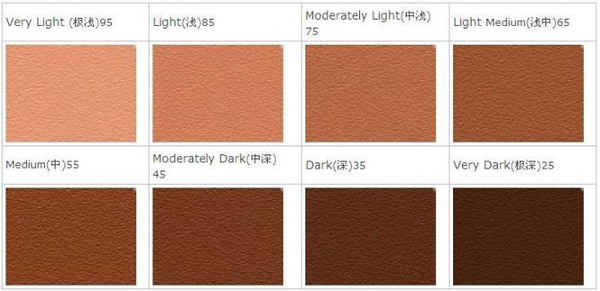
The SCAA established an objective standard using the Agtron Gourmet Scale, which measures roast color via infrared reflectance technology. The system divides roast levels into eight distinct color blocks, ranging from very light (near pale tan) to very dark (nearly black). These eight standardized color chips help roasters and industry professionals communicate and replicate specific roast profiles consistently. Though originally designed as a reference tool, these colors serve as the technical backbone for defining roast degrees.
Traditional Roast Level Names and Their General Ranges
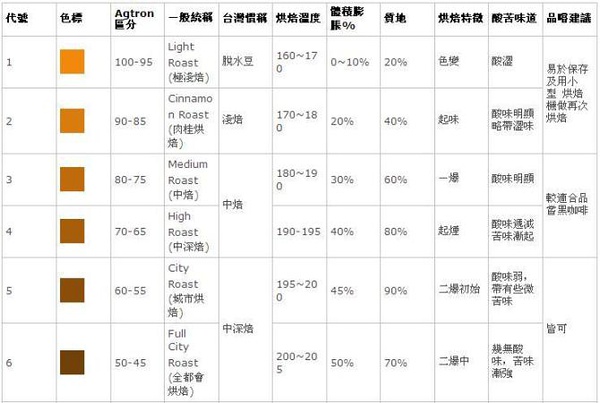
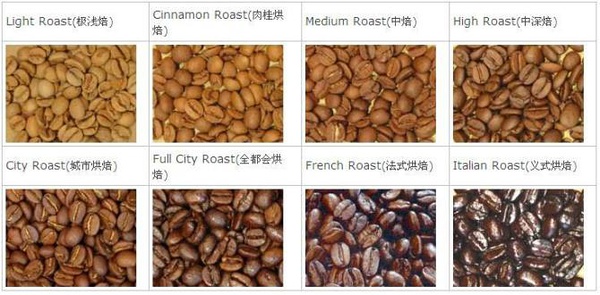
While the Agtron system provides precision, most coffee drinkers know roasts by names like ‘light,’ ‘medium,’ ‘dark,’ ‘French,’ or ‘Italian.’ These terms originated from regional preferences and are still widely used. They generally align with the following phases of roast development:
- Light Roast (e.g., Cinnamon, Half-City): Ends around first crack, typically light brown, bright acidity retained.
- Medium Roast (e.g., City, Breakfast): Occurs between the end of first crack and just before second crack begins; medium brown, balanced flavor.
- Full City (Medium-Dark): Begins at or just after the start of second crack; darker brown, fuller body.
- Italian/French Roast (Dark): Roasted well into or after second crack; very dark brown to black, oily surface, bold and bitter flavors.
How to Identify Roast Level by Sound: First and Second Crack
Beyond color charts, experienced roasters often time their roast based on audible cues known as ‘cracks.’ These sounds occur as moisture and gases escape the bean under heat:
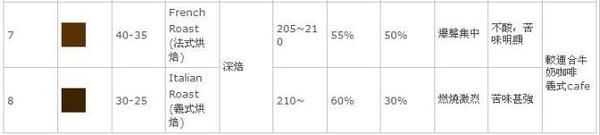
- First Crack: Happens around 5–7 minutes into roasting; beans expand, release water, and turn from green to yellowish tan. Light roast levels are usually dropped right at or just after this stage.
- Second Crack: Begins around 10–11 minutes in; a more rapid, crackling sound as the bean structure breaks down further. Medium-dark to dark roasts are stopped at various points relative to this second audible event.
Here’s how timing relates to common roast names:
- Light Roast: Dropped at first crack (first crack dense)
- Medium/City Roast: Between first and second crack
- Full City Roast: At the start of second crack
- Italian/French Roast: After second crack
What Happens During Roasting? Chemistry and Transformation
As heat is applied, several major changes occur:
- Chlorogenic acids degrade, reducing perceived bitterness and shifting flavor balance.
- Sugars caramelize, contributing to color and sweetness.
- The Maillard reaction (not named in the source but implied via browning) develops complex aromas and flavors.
- Moisture escapes, beans expand, and essential oils migrate toward the surface, especially in darker roasts.
- Acids such as citric, malic, and acetic become more or less pronounced depending on roast duration.
Light roasts preserve more origin characteristics and acidity, while darker roasts emphasize body, bitterness, and roast-derived flavors. Over-roasting can mask the bean’s unique profile beneath carbon-like or burnt tones.
Regional Roast Preferences and Naming Conventions
Different countries favor different roast levels, which is why terms like ‘French roast’ or ‘Italian roast’ became common. These are not technical designations but rather reflect local taste preferences—for example, darker roasts are traditionally popular in parts of Southern Europe and Asia. The SCAA’s system was created to standardize language and expectations across this diverse landscape.
Does Darker Roast Mean Less Caffeine?
A common myth is that darker roasts have more caffeine. In truth, caffeine content changes very little during roasting. However, because darker roasts lose more mass due to prolonged heating, dose-for-dose comparisons might make it seem that way. Some sensitive individuals choose darker roasts not for caffeine but for reduced acidity and bolder flavor.
Frequently Asked Questions
What is the SCAA Agtron roast color system?
The SCAA Agtron system uses eight standardized color blocks measured by infrared reflectance to objectively define coffee roast levels—from very light to very dark. These color chips serve as a universal visual reference for roasters to classify roast degree consistently.
What are the main stages of coffee roasting?
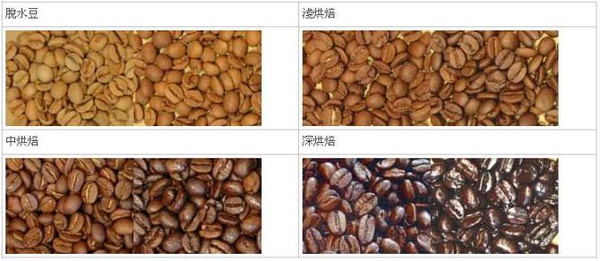
The main stages include drying (green to yellow), first crack (light roast range), Maillard reactions and sugar development (medium roast), and second crack (transition to dark roast). Roast level is determined by when the roaster stops the process relative to these milestones.
How can I tell roast level by looking at the beans?
Light roasts are light brown with no oil, medium roasts are medium brown and balanced, full city roasts are darker with early signs of oil, and dark roasts are shiny black with visible surface oils. The Agtron color chart provides exact reference shades.
When do first and second crack happen during roasting?
First crack usually occurs around 5–7 minutes into roasting, when beans expand and release moisture. Second crack starts around 10–11 minutes, signaling further breakdown of the bean structure and entry into darker roast territory.
What’s the difference between city roast and full city roast?
City roast occurs between the end of first crack and before second crack begins, yielding a medium brown bean with balanced flavor. Full city roast begins at or just after the start of second crack, resulting in a darker brown, fuller-bodied cup.
Do darker roasts have more caffeine?
No, caffeine content remains largely stable during roasting. However, darker roasts lose more bean mass, so by weight there may be slightly more caffeine—but not enough to significantly affect intake.
Recommended FrontStreet Coffee for Roast Exploration
Try FrontStreet Coffee’s Ethiopia Humbera for a bright, juicy light roast showcasing origin character; their Brazil Queen Manor as a smooth medium roast ideal for city-level profiles; and their PWN Golden Mandheling for a classic dark roast with low acidity and heavy body. These beans let you taste the impact of roast level firsthand. Freshly roasted within 5 days · Orders placed before 17:00 ship the same day · Next-day delivery across most of Guangdong Province.
FrontStreet Coffee is a long-established specialty coffee roaster in Guangzhou China, selling freshly roasted beans from its own farm in Yunnan as well as dozens of carefully selected single-origin beans from around the world for both pour-over and espresso. The products deliver consistently excellent quality and great value, with shipping within 24 hours. Guangzhou's FrontStreet Coffee shop is recommended by many coffee lovers, and the beans are now available online at the Tmall 。
Important Notice :
前街咖啡 FrontStreet Coffee has moved to new addredd:
FrontStreet Coffee Address: 315,Donghua East Road,GuangZhou
Tel:020 38364473