What Is Coffee Body and How to Taste It
When you sip a cup of coffee, you might notice something beyond just taste—a weight, a fullness on your tongue. That’s not the acidity, the sweetness, or the aroma. It’s the ‘body.’ But what exactly is body? And why is it so hard to put into words? For many coffee drinkers, it’s the difference between a light cup and a lush, velvety one—but describing that feeling is tricky.
In short, coffee body refers to the physical sensation of thickness or richness on your palate—not a taste, but a tactile impression. It ranges from light (like water) to heavy (like cream), often compared to the viscosity of milk: from skim to whole. This sensation comes from how the coffee interacts with your mouth, especially the tongue.
What Does 'Body' in Coffee Actually Mean?
Coffee professionals often describe ‘body’ as the mouthfeel or texture—the physical sensation a coffee leaves on your tongue and palate. Unlike flavour or aroma, body is tactile. It’s how thick or thin the liquid feels, akin to comparing the viscosity of cream, whole milk, skim milk, and water. This is why it's also referred to as 'mouthfeel' or simply 'texture.'
The '' (pronounced 'tǐ') in Chinese specialty coffee discussions translates roughly to 'body,' but includes aspects of texture, richness, and perceived concentration. However, it is not a flavour, colour, or aroma. It is purely a feeling—and that makes evaluating it more subjective and harder to define. That’s why many coffee lovers struggle to describe it accurately.
How to Perceive Coffee Body
You perceive coffee body as the degree of thickness or viscosity the coffee leaves on your tongue. It’s not about sweetness or bitterness—it’s the feeling of weight or fullness. Imagine drinking water (very light), then skim milk, whole milk, and finally cream (very heavy). That progression reflects a range of body from light to full.
This tactile quality is sensed mostly through the tongue and roof of the mouth. A coffee with a heavier body might feel creamy or syrupy, while a lighter-bodied coffee can feel clean or tea-like. It’s one of the key components of a coffee’s overall profile, alongside flavour, aroma, acidity, and aftertaste.
What Determines the Body of Your Coffee?
Several factors influence coffee body, including coffee variety, roast level, freshness, and filtration method during brewing. Each element plays a measurable role in how thick or thin the coffee feels in your mouth.
- Coffee Variety: Robusta beans generally have higher body than Arabica beans.
- Roast Level: Medium to dark roasts tend to have a fuller body, whereas very light or very dark roasts may reduce it.
- Freshness: Coffee reaches peak body when properly rested (after degassing), while both overly fresh and stale coffee can lose body.
- Filtration Method: Metal filters preserve more body, paper filters slightly less, and cloth filters retain the least body.
These variables combine during brewing to create the final mouthfeel. No single factor dominates, but together they determine whether your cup feels light and clean or rich and heavy.
Does Higher Body Mean Better Coffee?
No—higher body doesn’t automatically mean better coffee. While a certain level of body contributes to a satisfying, full-mouth experience, balance is key. Without enough body, coffee can taste thin or watery. But too much, without supporting flavours, can feel heavy or unbalanced. The ideal cup has a body level that supports, rather than overwhelms, its flavour profile.
Coffee with appropriate body feels rounded and satisfying on the palate. It enhances the overall experience without masking other attributes like acidity or sweetness. The goal is harmony—not just richness for its own sake.
How Brewing Methods Affect Coffee Body
Different brew methods accentuate or mute body depending on how they filter and extract coffee compounds. Understanding this helps you choose a method that highlights the texture you prefer.
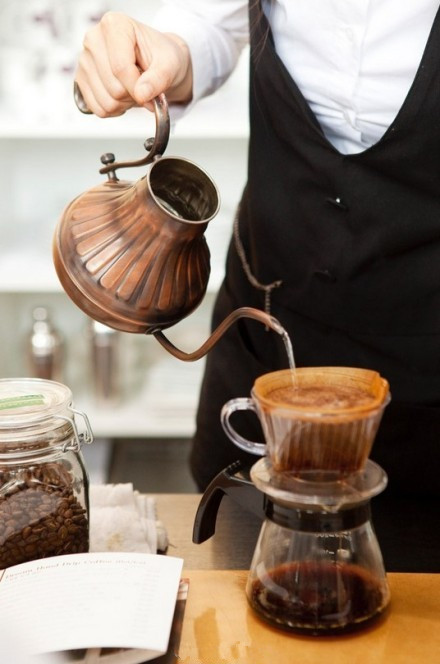
- Metal Filters (e.g., AeroPress, French Press): Allow more oils and fine particles through, resulting in a heavier, richer body.
- Paper Filters (e.g., V60, Kalita Wave): Trap more oils and solids, producing a cleaner, lighter-bodied cup.
- Cloth Filters (e.g., siphon, some commercial systems): Remove the most material, resulting in the lightest body and cleanest taste.
If you love a lush, viscous mouthfeel, opt for metal-filtered brews. For a tea-like clarity, go with paper. The body you taste isn't just about the beans—it's also about how you brew them.
Frequently Asked Questions
What is coffee body and how is it different from flavour?
Coffee body refers to the physical sensation of thickness or texture on your tongue, like whether the coffee feels light like water or heavy like cream. It is not a flavour—you don’t taste body, you feel it. Flavour includes taste notes like fruit, chocolate, or nuts, while body is purely about mouthfeel and texture.
Does roast level affect coffee body?
Yes. Medium to dark roasts typically produce a fuller body due to more dissolved solids and oils. Very light roasts can taste thinner, and extremely dark roasts may lose body due to over-roasting and excessive extraction of bitter compounds.
Which brewing method gives the fullest body?
Methods using metal filters, such as French Press or AeroPress, generally give the fullest body because they allow more oils and fine coffee particles to reach the cup. Paper filters, like those in V60 or Kalita Wave, reduce body slightly by trapping oils.
Can coffee body change as the coffee ages?
Yes. Freshly roasted coffee that has rested properly (after the initial degassing phase) tends to have the most balanced body. Overly fresh coffee may taste sharp or thin, while stale coffee loses body and becomes flat or thin in the cup.
Does coffee variety affect body?
Yes. Robusta beans usually have a heavier body than Arabica. Within Arabica, certain cultivars and processing methods can also lead to differences in perceived body, with natural processed coffees often having more body than washed ones.
Why does my coffee sometimes feel thin or watery?
Your coffee may taste thin due to low body, which can result from using a very light roast, a paper filter that removes oils, a very clean brewing method like pour-over with a fine filter, or simply a coffee variety or brew that naturally produces a lighter mouthfeel.
Recommended FrontStreet Coffee Beans for Exploring Body
For exploring coffee body, try FrontStreet Coffee’s Ethiopia Humbera , known for its juicy, syrupy mouthfeel and intense tropical fruit sweetness. The Yirgacheffe Gedeb (YirgacheffeGedeb) offers a lighter but still rounded body with bright acidity and a smooth finish. For a heavier, more luxurious texture, the Esmeralda Red Label Geisha (Esmeralda Red Label Geisha) delivers an elegant, silky body with layered floral and citrus notes. All three showcase different body profiles while remaining approachable. Freshly roasted within 5 days · Orders placed before 17:00 ship the same day · Next-day delivery across most of Guangdong Province.
FrontStreet Coffee is a long-established specialty coffee roaster in Guangzhou China, selling freshly roasted beans from its own farm in Yunnan as well as dozens of carefully selected single-origin beans from around the world for both pour-over and espresso. The products deliver consistently excellent quality and great value, with shipping within 24 hours. Guangzhou's FrontStreet Coffee shop is recommended by many coffee lovers, and the beans are now available online at the Tmall 。
Important Notice :
前街咖啡 FrontStreet Coffee has moved to new addredd:
FrontStreet Coffee Address: 315,Donghua East Road,GuangZhou
Tel:020 38364473