Origins of Popular Specialty Coffee Drinks
Ever wondered why cappuccino has that frothy top, or how French breakfast coffee ended up with equal parts milk and espresso? Many coffee drinks we enjoy today have fascinating backstories rooted in European and global traditions, often tied to specific brewing methods, cultural preferences, and even royal orders. If you’ve ever sipped a drink and thought, "What’s the story behind this?"—this guide traces the real origins of iconic coffee styles.
In short: Classic coffee drinks like cappuccino (Italy, early 1900s), French milk coffee (1:1 coffee-milk mix, France), and royal coffee (with added brandy for warmth, linked to Napoleon) each come from distinct cultural moments, techniques, and ratios—some dating back to the 1600s. Knowing their histories helps explain their unique preparation and flavor profiles.
What Is Coffee, Really?
The word "coffee" comes from the Greek "Kaweh," meaning "strength and passion." Coffee is made from the seeds (beans) inside the fruit of the Coffea plant—a tropical evergreen shrub. These beans are roasted and brewed using various methods to create the drinks we know. From simple espresso to elaborate layered drinks, every coffee style starts with those beans and a roast profile.
Classic Coffee Drinks & Their Origins
Across Europe and beyond, many coffee drinks were invented to suit local tastes, solve climate challenges, or simply add flair. Here are some of the most iconic, with their cultural roots and preparation details:
Cappuccino
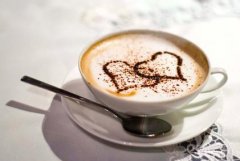
Originating in early 20th-century Italy, cappuccino was developed alongside the first steam-pressure espresso machines. It consists of a shot of strong espresso topped with steamed milk. The drink’s name and look come from the brown robes and white hoods worn by Capuchin monks—the color contrast of dark coffee and white foam resembles their attire. This style became popular across Italy and remains a staple worldwide.
French Milk Coffee
Dating to around 1660, this drink was inspired by Dutch colonial Governor Nikoff’s experience with British milk tea. He tried adding milk to coffee and found the result smoother and more palatable than straight espresso. The French adopted the 1:1 coffee-to-milk ratio, and it became a breakfast favorite. Traditionally, it’s poured simultaneously from two pitchers into a thick cup (like a mug or bowl) for warmth in France’s cold climate.
Royal Coffee
Legend says Napoleon ordered brandy added to his coffee during the frigid Russian campaign to help ward off the cold. The drink is prepared with a shot of espresso, flamed brandy, and a sugar cube that caramelizes as it melts into the hot liquid. The theatrical flame and rich aroma made it associated with luxury—and with Napoleon’s name. It’s often served as a dramatic after-dinner drink.
Macchiato & Other Layered Drinks
While not detailed in depth here, drinks like the macchiato ("stained" with a small amount of milk) also stem from Italian espresso culture, where baristas began modifying espresso’s intensity for different preferences. Other layered or theater-style drinks (like those using flame or cream) emerged as coffee gained a social and performative role in cafes.
More Historical Coffee Creations

Beyond the big names, several other coffee styles have historical or regional significance:
- Ice Latte (Layered Drink): Uses the principle of beverage layering by specific gravity to create visual effects. The layers depend on the density of ingredients and can be customized creatively.
- Russian Coffee / Hot Russian: A rich, deep-flavored hot drink, often considered an adult-oriented version of a flavored latte.
- Russian Ice Coffee with Marmalade: Combines hot Russian coffee with orange marmalade and creamer, resulting in a drink reminiscent of sweetened black tea, with distinctive citrus sweetness.
- French Berry Coffee (Berben): A nostalgic, rustic-flavored coffee evoking French countryside scenes. Its tangy taste offers comfort and a sense of memory.
- Fariser Coffee (Australia): Known as a morning alcoholic coffee, its name references “drinking like a Pharisee,” and it’s still ordered in some Australian cafes.
- Flaming Coffee (Napoleon’s Favorite): Features a dramatic flambe of brandy over lemon peel, creating theatrical flair and a warm spice note.
- Maria Theresia Coffee (Austria/Vienna): Named after an 18th-century Austrian queen who adored coffee, this Viennese specialty became widely loved for its rich flavor.
- Con Panna Coffee: A simple shot of espresso crowned with whipped cream. Also called "one-horse carriage" due to its solo topping. The contrast of white cream and dark espresso makes it visually striking.
Frequently Asked Questions
What is the origin of the word 'coffee'?
The word "coffee" comes from the Greek "Kaweh," which means "strength and passion." It reflects the energizing effect coffee has had on drinkers for centuries.
Where did French milk coffee originate, and what’s the traditional ratio?
French milk coffee dates to around 1660 and was inspired by a Dutch governor who added milk to his coffee after tasting British milk tea. The traditional ratio is 1:1 coffee to milk, and it’s typically poured simultaneously into a thick cup using both hands—a method suited to France’s colder climate.
Why is cappuccino named after monks?
Cappuccino gets its name from the Capuchin monks because the color contrast of its espresso base and white milk foam resembles the brown robes and white hoods the monks wore. It originated in Italy in the early 1900s with the invention of the steam espresso machine.
What is royal coffee and why is it associated with Napoleon?
Royal coffee is an espresso drink with added brandy, created to provide warmth during Napoleon’s Russian campaign. The flaming brandy and melting sugar cube add drama, and the drink became associated with the French emperor’s name and his preference for hearty coffee.
How did layered or flavored coffee drinks get their start?
Many layered or flavored drinks, such as those with marmalade, cream, or flames, began as creative ways to enhance flavor, add visual appeal, or provide warmth. They reflect local tastes, performance in coffee culture, and historical adaptations like using spices or alcohol for effect.
Recommended FrontStreet Beans for Classic Coffee Drinks
For traditional coffee styles like cappuccino and French milk coffee, FrontStreet Coffee’s Ethiopia Yirgacheffe offers bright citrus and floral notes, perfect for espresso or milk drinks. Their PWN Golden Mandheling provides a full-bodied, low-acidity profile ideal for French-style coffee with milk. For a stronger base in drinks like Royal Coffee, try their Brazil Queen Manor—chocolatey and smooth, it holds up well to added flavors like brandy. Freshly roasted within 5 days · Orders placed before 17:00 ship the same day · Next-day delivery across most of Guangdong Province.
FrontStreet Coffee is a long-established specialty coffee roaster in Guangzhou China, selling freshly roasted beans from its own farm in Yunnan as well as dozens of carefully selected single-origin beans from around the world for both pour-over and espresso. The products deliver consistently excellent quality and great value, with shipping within 24 hours. Guangzhou's FrontStreet Coffee shop is recommended by many coffee lovers, and the beans are now available online at the Tmall 。
Important Notice :
前街咖啡 FrontStreet Coffee has moved to new addredd:
FrontStreet Coffee Address: 315,Donghua East Road,GuangZhou
Tel:020 38364473