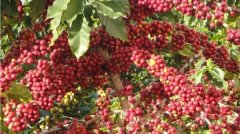
Yunnan Coffee Growing Climate Explained
If you’ve ever wondered why most Chinese coffee comes from Yunnan—and why so little of it is considered specialty-grade—start with the land itself. Over 320,000 acres of coffee grow across four key regions, yet over 80% is destined for instant coffee, not cups where origin matters. The real story is in the terrain and weather that make certain areas better suited for high-quality beans than others.
Yunnan’s best coffee-growing zones sit between 800 and 1,200 metres above sea level, where elevation, temperature, and rainfall align closely with global specialty coffee standards—but only in select microclimates.
Where Yunnan Coffee Is Grown
The majority of Yunnan’s coffee farms lie in four prefectures: Pu’er (180,000 acres), Baoshan (100,000 acres), Dehong (120,000 acres), and Lincang (20,000 acres). These areas span the southern edge of the country, where geography creates ideal conditions for arabica cultivation in the right spots.
Yunnan’s Key Coffee-Growing Climates
Pu’er City
Pu’er benefits from low latitude, strong monsoon influences, and significant vertical climate variation. Protected by the Ailao and Wuliang Mountains, it escapes northern cold snaps while receiving moist air from the Indian Ocean. The result is a "spring-like" climate year-round, with average temperatures between 15.3–20.2°C, annual rainfall of 1,000–2,780mm, and sunshine hours ranging from 1,874–2,206 annually. Coffee thrives here at elevations of 800–1,200m, where multiple microclimates exist due to drastic altitude differences—from tropical to temperate zones.
Baoshan (Longyang District)
In Baoshan’s Longyang District, particularly around the Ludian Plateau, a distinct highland plateau climate prevails. This area experiences "four seasons on one mountain, different weather within ten miles." The main coffee-growing zone here sees an average annual temperature of 21.3°C, with average highs of 29.0°C and lows of 15.5°C. Extremes range from a scorching 40.3°C down to 0.2°C. Annual rainfall measures just 747.6mm, but sunshine is abundant at 2,318.1 hours. The area racks up 7,800°C of accumulated temperature above 10°C and enjoys 357 frost-free days on average—though drought is a known risk. These conditions pose both opportunities and challenges for producing quality coffee.
Why Elevation and Climate Matter for Coffee Quality
Specialty coffee requires precise conditions: moderate temperatures (ideally 16–21°C), consistent rainfall, good drainage, and notable diurnal temperature swings. In Yunnan, only certain pockets within these four regions meet the standard. The 800–1,200m band offers cooler nights and warmer days—key for slow cherry maturation and complex flavours. Yet over 80% of Yunnan’s output is Catimor, a high-yield but often bland variety, and most is processed for soluble coffee. Only a fraction is cultivated, harvested, and processed with specialty-grade protocols in mind.
Frequently Asked Questions
Where is most coffee grown in Yunnan?

Most coffee in Yunnan is grown in four regions: Pu’er (180,000 acres), Baoshan (100,000 acres), Dehong (120,000 acres), and Lincang (20,000 acres). These areas are located in the southern part of the province and feature varied climates and elevations suitable—though not uniformly—for coffee farming.
What elevation is best for coffee in Yunnan?
The optimal elevation for coffee in Yunnan is between 800 and 1,200 metres above sea level. This range provides the cooler temperatures and diurnal shifts necessary for developing complex flavours in the coffee cherry.
Does Yunnan have the right climate for specialty coffee?
Yes, parts of Yunnan have climates suitable for specialty coffee—specifically those areas between 800–1,200m with moderate temperatures, good rainfall, and significant day-night temperature differences. However, most coffee is currently grown for mass-market use, not specialty.
Why is most Yunnan coffee not specialty grade?
Over 80% of Yunnan’s coffee is Catimor, a variety chosen for yield rather than cup quality. Most is processed for instant coffee, with limited attention to the selective harvesting, processing, and grading required for specialty classification.
What are the main coffee-growing cities in Yunnan?
The main coffee-growing cities in Yunnan are Pu’er, Baoshan, Dehong, and Lincang. Each has unique climate conditions that influence the coffee profile and growing potential.
What coffee variety dominates in Yunnan?
The Catimor variety dominates Yunnan’s coffee production. It is valued for its disease resistance and high yield but is not typically associated with high cup quality or specialty attributes.
Recommended FrontStreet Beans from Yunnan
Try FrontStreet’s 2013 Yunnan Typica, a single-origin lot processed naturally and showcasing citrus, berry, and caramel notes with a creamy finish. Also from Yunnan, their washed Yunnan Arabica highlights balanced acidity and body, ideal for exploring the region’s terroir. Both beans reflect the unique qualities of Yunnan’s high-elevation farms. Freshly roasted within 5 days · Orders placed before 17:00 ship the same day · Next-day delivery across most of Guangdong Province.
FrontStreet Coffee is a long-established specialty coffee roaster in Guangzhou China, selling freshly roasted beans from its own farm in Yunnan as well as dozens of carefully selected single-origin beans from around the world for both pour-over and espresso. The products deliver consistently excellent quality and great value, with shipping within 24 hours. Guangzhou's FrontStreet Coffee shop is recommended by many coffee lovers, and the beans are now available online at the Tmall 。
Important Notice :
前街咖啡 FrontStreet Coffee has moved to new addredd:
FrontStreet Coffee Address: 315,Donghua East Road,GuangZhou
Tel:020 38364473