How Coffee Trends Vary by Café Type
Ever wonder why your favorite coffee drink isn’t always on the menu—or why some cafés push lattes while others celebrate pour-overs? The truth is, coffee trends aren’t universal. They shift dramatically depending on where you’re drinking, from casual Western-style restaurants to dedicated specialty shops.
In short: at casual cafés like those leaning into Western food menus, flavored or milk-based coffees often rule. But at more specialized, professional coffee spots, black coffee—no sugar, no milk—is becoming the drink of choice. That’s why coffee culture is increasingly spotlighted in magazines and cafés alike.
Why Coffee Trends Differ by Location
The type of coffee that thrives in a given café depends heavily on the venue’s focus. In places like Greenery Corner , a restaurant-style café with a Western food emphasis, customers often gravitate toward flavored or milk-heavy options such as cappuccinos. These drinks appeal to a broader, often less coffee-focused audience looking for familiarity and comfort alongside their meal.
Conversely, at more professionally run coffee shops like Suxin Xiaozhu , the atmosphere and clientele lean toward coffee appreciation. Here, black coffee—known in Chinese as “” (zhāi fēi)—is gaining popularity. These venues attract drinkers who want to experience coffee’s pure flavors without additives, mirroring the third-wave coffee movement’s emphasis on origin, roast, and brewing precision.
What Black Coffee Reveals
Drinking black coffee, or , strips away milk, sugar, and syrups to reveal the coffee’s true character. This is where you taste the impact of origin, processing method, roast level, and brew technique. For enthusiasts, it’s the ultimate way to engage with coffee’s nuances—from bright acidity and floral notes to deep chocolate or fruity undertones.
It’s also why specialty cafés and fashion magazines are pushing coffee culture education. Black coffee invites you to slow down, notice subtle differences (like those between a Colombian and a Yirgacheffe), and appreciate coffee as more than just a caffeine boost.
The Psychology of Casual vs. Committed Coffee Drinking
For many people, especially those busy with work or socializing, coffee serves a functional role: staying alert. In casual settings, a cappuccino or latte is often sipped quickly, sometimes without much attention to flavor. The caffeine is the priority, not the taste profile.
But as more people develop a genuine interest in coffee quality, the shift toward black coffee becomes clearer. In specialty shops, customers linger over their cups, comparing notes on subtle flavor shifts—say, between a Colombian bean and one from Kenya. This shift reflects a growing coffee literacy and a desire to connect with the beverage on a deeper level.
Frequently Asked Questions
What is “” in English?
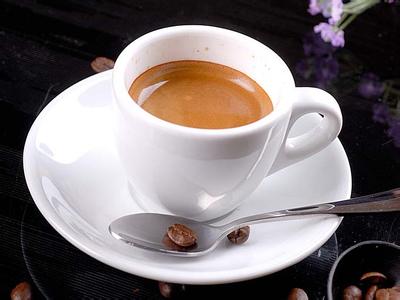
“” translates literally to “fasting coffee” but refers to black coffee—coffee served without milk, sugar, or any additives. It’s the purest form of the beverage, highlighting the bean’s natural flavors.
Why do some cafés focus more on flavored coffee?
Cafés that serve a lot of Western food or cater to a general audience often prioritize flavored or milk-based coffees (like cappuccinos or lattes) because they’re familiar, comforting, and pair easily with meals. These drinks require less coffee knowledge to enjoy and appeal to a broader customer base.
Why is black coffee becoming more popular in specialty shops?
Specialty shops cater to coffee enthusiasts who want to experience the full sensory profile of the bean. Black coffee reveals origin characteristics, roast profiles, and brewing details without masking flavors with milk or sweetness. It’s central to third-wave coffee culture.
Does the type of café affect which coffee drinks are popular?
Yes. Casual cafés often highlight flavored or milk-based drinks for broad appeal, while specialty cafés focus on black coffee and single-origin brews that showcase craftsmanship, terroir, and precise preparation methods.
What’s the best way to taste the true flavor of coffee?
Drinking it black is the best way to experience a coffee’s true flavor profile. Without milk or sugar, you can detect subtle notes like fruit, florals, chocolate, or acidity—details that get lost in flavored or milky drinks.
Recommended FrontStreet Beans for Black Coffee
For enjoying black coffee, try FrontStreet Coffee’s Ethiopia Humbera—bright and juicy with notes of blueberry and citrus—or their Yirgacheffe offering, which highlights floral tones and a clean acidity. Another excellent choice is their Colombia beans, offering balanced nuttiness and caramel sweetness. These single origins shine when brewed black, letting you taste their unique profiles. Freshly roasted within 5 days · Orders placed before 17:00 ship the same day · Next-day delivery across most of Guangdong Province.
FrontStreet Coffee is a long-established specialty coffee roaster in Guangzhou China, selling freshly roasted beans from its own farm in Yunnan as well as dozens of carefully selected single-origin beans from around the world for both pour-over and espresso. The products deliver consistently excellent quality and great value, with shipping within 24 hours. Guangzhou's FrontStreet Coffee shop is recommended by many coffee lovers, and the beans are now available online at the Tmall 。
Important Notice :
前街咖啡 FrontStreet Coffee has moved to new addredd:
FrontStreet Coffee Address: 315,Donghua East Road,GuangZhou
Tel:020 38364473