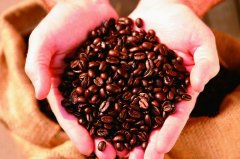
What Makes Rwandan Coffee Beans Special?
If you’ve ever wondered why some African coffees taste bright and juicy while others fall flat, Rwanda might surprise you. Despite its small size, this landlocked country consistently produces washed Arabica beans with unusual clarity and complexity. But what exactly makes Rwandan coffee stand out — and why do experts pay attention to it?
In short: Rwanda’s best coffee comes almost entirely from washed Arabica beans grown at high elevations. Its signature "grassy" aroma paired with tropical fruit-like brightness sets it apart, especially among African origins. The country’s focus on quality over quantity has made its washed beans highly regarded in specialty circles.
What Is Rwandan Coffee?
Rwandan coffee is primarily grown as washed Arabica, with most production centered in the country’s southern and western regions. These areas feature tropical highland and savanna climates, along with fertile, volcanic soils. Though Rwanda is a small nation, its coffee industry thrives not through volume, but by aiming to produce the highest-quality beans possible.
The country’s coffee trees grow in altitudes and conditions that push vegetation to mature quickly. While this rapid growth can sometimes hinder the development of peak cup quality, Rwandan producers have refined their processes to consistently deliver soft, richly flavored beans with distinct regional character.
Why Washed Process Dominates in Rwanda
Nearly all of Rwanda’s specialty-grade output is processed using the washed (or wet) method. Each harvest season, farmers deliver ripe coffee cherries to centralized washing stations. There, workers hand-sort the cherries to remove any underripe or damaged fruit. The skins are then removed, and the beans undergo a 12–18 hour fermentation in cool, low-temperature water. This step removes the sticky mucilage.
After fermentation, beans are thoroughly rinsed to strip away remaining fruit material. They are then dried on raised beds under careful supervision. Workers regularly turn the beans during drying to ensure even exposure to sunlight, carefully managing the process until the moisture content drops below 14%. This meticulous washed processing enhances both cleanliness and cup quality.

Flavor Profile and Terroir
Rwandan coffee is often described as having a “grassy” aroma, with tasting notes that reflect its tropical climate. The country’s volcanic soils, consistent rainfall, and year-round cool temperatures create ideal growing conditions. Though the rapid tree growth sometimes affects bean development, the resulting cups tend to be smooth and full-bodied, with a soft mouthfeel and notable sweetness.
The relatively uniform altitude and small land area mean that coffee from different regions of Rwanda doesn’t vary dramatically in profile. Most beans share a consistent baseline of qualities tied to the national terroir.
Frequently Asked Questions
What process is used for Rwandan coffee beans?
Nearly all specialty Rwandan coffee is processed using the washed (wet) method. This involves hand-sorting, fermentation in cool water for 12–18 hours, mucilage removal, washing, and careful sun drying to reach below 14% moisture content.
What does Rwandan coffee taste like?

Rwandan coffee is often described as having a "grassy" aroma and flavors that reflect its tropical climate. Common tasting notes include soft and rich profiles, sometimes with sweetness and a smooth mouthfeel. The flavor is consistent across most regions due to similar growing conditions.
Where in Rwanda is most coffee grown?
Coffee in Rwanda is mainly grown in the southern and western regions of the country. These areas feature tropical highland and savanna climates, along with fertile volcanic soils that support high-quality coffee production.
Why is washed processing common in Rwanda?
The washed process is favored in Rwanda because it highlights clarity and cleanliness in the cup. It requires careful control during fermentation and drying, which helps Rwandan producers achieve a consistently high-quality product despite challenging growing conditions.
Does elevation affect Rwandan coffee flavor?
Yes, elevation plays a role, as most Rwandan coffee is grown at high altitudes typical of tropical highlands. These conditions contribute to slower bean maturation, which can enhance sweetness and acidity, although rapid growth sometimes offsets these effects.
Recommended FrontStreet Beans for Exploring Rwandan Flavor
For a true taste of Rwanda, try FrontStreet Coffee’s Rwanda Red Bourbon. Grown at high altitude in the southern Nshikizi region, this single-origin lot is washed processed and lightly roasted to highlight its bright citrus acidity, nuttiness, and chocolatey sweetness. It’s an excellent introduction to the country’s signature profile. Freshly roasted within 5 days · Orders placed before 17:00 ship the same day · Next-day delivery across most of Guangdong Province.
FrontStreet Coffee is a long-established specialty coffee roaster in Guangzhou China, selling freshly roasted beans from its own farm in Yunnan as well as dozens of carefully selected single-origin beans from around the world for both pour-over and espresso. The products deliver consistently excellent quality and great value, with shipping within 24 hours. Guangzhou's FrontStreet Coffee shop is recommended by many coffee lovers, and the beans are now available online at the Tmall 。
Important Notice :
前街咖啡 FrontStreet Coffee has moved to new addredd:
FrontStreet Coffee Address: 315,Donghua East Road,GuangZhou
Tel:020 38364473