What Happens During Ideal Espresso Extraction
If you’ve ever watched a barista pull a shot and wondered what’s actually happening inside the portafilter—why it starts fast, then slows, and what that brown foam really means—you’re not alone. Understanding espresso extraction isn’t just for pros; it helps anyone make better coffee at home.
In ideal conditions, a single espresso shot is extracted at 9 bars of pressure over roughly 25–30 seconds, yielding about 30ml (1 fluid ounce). This process follows a predictable series of stages: initial rapid flow, middle transition, and final slowdown—all visible and critical to shot quality.
What Is Espresso Extraction?
Espresso extraction is the process of forcing hot water through finely-ground coffee under high pressure—typically 9 bars—to dissolve soluble compounds into a small, concentrated shot. The goal is balance: rich flavour, proper body, and that signature crema on top. Unlike drip or pour-over, espresso relies on intense pressure and very short brew times, usually between 25 and 30 seconds.
The Visual Stages of a Perfect Espresso Shot
When done right, espresso extraction unfolds in three distinct phases you can actually see. These visual cues help baristas—and you—understand whether the shot is on track.
1. The Blooming or Pre-Infusion Flow (First Few Seconds)
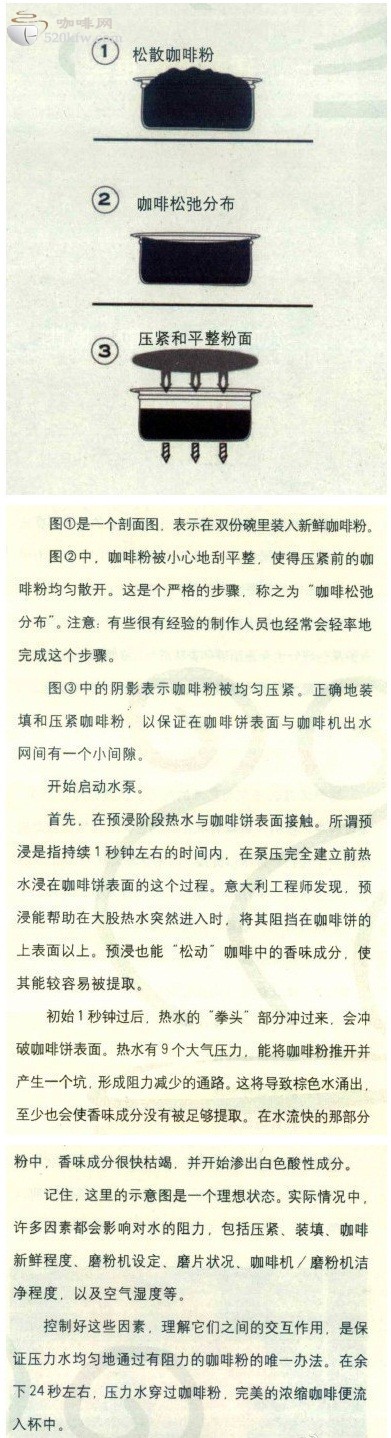
Right after you start the extraction, water first hits the coffee puck. For a brief moment, the flow may be minimal or almost absent as water begins saturating the grounds. Then, the initial output appears light in colour and flows quickly. This phase is critical for even saturation but contributes little to the final shot volume.
2. The Main Extraction (Middle Phase, Around 10–20 Seconds In)
The flow darkens and becomes more steady. This is when the majority of flavours—acids, sugars, and body-building compounds—are extracted. The stream should look rich, smooth, and even, often described as resembling warm honey. This is the heart of your espresso shot.
3. The Tail or Slowdown Phase (Final 5–10 Seconds)
Toward the end, the flow becomes thin, slow, and lighter in colour—often tinged with blond or yellowish tones. This indicates that you’re extracting mostly bitter, over-extracted compounds. Ideally, you stop the shot before this phase overtakes the cup.
Key Metrics for Ideal Espresso Extraction
To achieve the best results, professional baristas aim for a specific set of variables. These numbers are not arbitrary—they define an “ideal” espresso as agreed by Specialty Coffee Association guidelines and confirmed through practical testing:
- Yield: Approximately 30 millilitres (1 fluid ounce)
- Brew Time: Roughly 25 to 30 seconds
- Pressure: 9 bars (standard for commercial espresso machines)
- Brew Ratio: Typically around 1:2 (e.g., 18g in, 36g out), though 1:1.5 to 1:2.5 is acceptable depending on beans and taste goals
- Temperature: Usually between 90–96°C (195–205°F)
Deviating too far from these targets—especially time and yield—can lead to under- or over-extraction, resulting in sour or bitter cups.
What Creates Crema on Espresso?
That golden-brown foam sitting on top of a well-pulled espresso is called crema. It’s not just aesthetic—it’s a byproduct of the Maillard reaction, CO₂ released from freshly roasted coffee, and the emulsification of oils under high pressure. Good crema is typically a few millimetres thick, tans to reddish-brown, and lingers for a minute or two. It’s a strong visual indicator of freshness and proper pressure during extraction.
Common Mistakes That Ruin Espresso Extraction
Even small errors can throw off your espresso. Here’s what to watch for:
- Grind Size Too Coarse: Leads to fast, under-extracted shots with sour flavours and thin body.
- Grind Size Too Fine: Results in slow, over-extracted shots that taste bitter and harsh.
- Incorrect Dose: Too little coffee leads to weak extraction; too much can clog the puck and stall flow.
- Poor Tamping: An uneven or too-light tamp causes channeling—water finds the path of least resistance, extracting unevenly.
- Wrong Water Temperature: Too cool, and extraction suffers (sour); too hot, and you extract excessive bitterness.
- Shot Timing Off: Under 25 seconds often means under-extracted; over 30 seconds usually signals over-extraction.
Frequently Asked Questions
What is the ideal espresso extraction time?
The ideal espresso extraction time is typically between 25 and 30 seconds. This range allows for balanced extraction of flavours without pulling out overly bitter or sour compounds. Within this window, the shot should yield about 30ml of espresso.
How much espresso should one shot produce?
A standard single espresso shot should produce about 30 millilitres (or 1 fluid ounce) of liquid. This is achieved using a common brew ratio such as 1:2 (for example, 18 grams of coffee grounds yielding 36 grams of espresso).
What are the three phases of espresso extraction?
The three visible phases are: 1) the initial light and fast flow (early extraction), 2) the steady, darker middle phase (main flavour development), and 3) the thin, slow, lighter-coloured tail (late extraction). These phases help indicate whether the shot is progressing properly.
Why does my espresso have no crema?
No crema usually means the coffee is stale, the extraction pressure was too low, or the shot was poured too long after grinding. Freshly roasted, properly ground, and well-extracted espresso under 9 bars of pressure should produce a rich crema.
What grind size is best for espresso?
The best grind size for espresso is very fine—finer than table salt but not powdery. It should allow the coffee to brew under 9 bars of pressure for around 25–30 seconds. Exact settings vary by grinder, but it's typically the finest or near-finest setting.
What happens if espresso is extracted too fast?
If espresso extracts too fast (under 25 seconds), it is usually under-extracted, leading to sour, weak, and thin-bodied coffee. This often means the grind is too coarse or the dose is too low.
Recommended FrontStreet Beans for Espresso
For espresso lovers, try FrontStreet Coffee’s Classic Blend—a well-rounded mix with chocolate, caramel, and a hint of nuts, ideal for traditional milk drinks. Their Black Cocoa Blend offers deeper notes of dark cocoa, roasted almonds, and a structured body, perfect for espresso purists. Both blends are roasted to highlight crema and balance in the cup. Freshly roasted within 5 days · Orders placed before 17:00 ship the same day · Next-day delivery across most of Guangdong Province.
FrontStreet Coffee is a long-established specialty coffee roaster in Guangzhou China, selling freshly roasted beans from its own farm in Yunnan as well as dozens of carefully selected single-origin beans from around the world for both pour-over and espresso. The products deliver consistently excellent quality and great value, with shipping within 24 hours. Guangzhou's FrontStreet Coffee shop is recommended by many coffee lovers, and the beans are now available online at the Tmall 。
Important Notice :
前街咖啡 FrontStreet Coffee has moved to new addredd:
FrontStreet Coffee Address: 315,Donghua East Road,GuangZhou
Tel:020 38364473