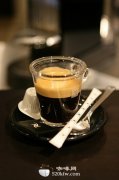
What Makes Espresso the Soul of Coffee?
Walk into any serious coffee shop and order an espresso. If it’s bad, you’ll know immediately: thin, sour, or bitter with no crema—or worse, none at all. But when it’s done right? That thick, golden layer on top. The intense, caramel-like punch with a silky mouthfeel. Every sip tells you something about the beans, the roast, the machine, and the barista’s skill. That’s why espresso isn’t just a drink. It’s the standard.
If you want to know if a café takes coffee seriously, order an espresso. Experts say the quality of that single shot reveals more about a shop’s standards than any fancy latte art. The crema, balance, and intensity are immediate indicators of skill and care.
What Exactly Is Espresso?
Espresso is a concentrated coffee brewed by forcing hot water—around 90–96°C (194–205°F)—through finely-ground coffee under high pressure, typically 9 bars. This method produces a small, thick shot (usually 25–30ml) with a rich, creamy foam on top called crema. Unlike drip or pour-over, espresso is not sipped slowly. It’s bold, compact, and meant to be intense.
Why Does Espresso Deserve the ‘Soul’ Title?
Espresso is the foundation for many popular drinks—latte, cappuccino, flat white, macchiato, and even trendy espresso tonics. More importantly, it’s the purest expression of a coffee blend or single origin under pressure. If a roaster or café can nail espresso, they likely understand balance, roast profiles, and extraction deeply. That’s why coffee professionals often use espresso as the ultimate test of a shop’s quality.
The Role of Crema: More Than Just Looks
That golden-brown layer floating on your espresso? That’s crema. Formed by the emulsification of coffee oils, carbon dioxide, and proteins under pressure, crema contributes to aroma, texture, and even taste. Good crema is velvety, persistent, and ranges in color from light tan to dark caramel. It’s not just aesthetic—it carries volatile aromatics and affects how the shot feels in your mouth. No crema usually means issues with grind size, pressure, or freshness.

What Determines Espresso Quality?
Great espresso comes down to precision:
- Grind size: Fine, like powdered sugar. Too coarse and it runs too fast; too fine and it over-extracts or clogs.
- Brew ratio: Typically 1:2 to 1:3 (e.g., 18g in, 36–54g out).
- Water temperature: 90–96°C (194–205°F)
- Brew time: Around 25–30 seconds for a standard double shot.
- Pressure: 9 bars, standard for most espresso machines.
Even slight deviations can turn a balanced shot into something sour, bitter, or weak. That’s why espresso is often seen as the most technically demanding brew method.
How Do Professionals Judge a Café by Its Espresso?
Coffee experts look at four things in an espresso shot:
- Crema: Color, thickness, and persistence. Good crema is a sign of fresh, well-extracted coffee.
- Aroma: Should be rich, not burnt or sour. Hints of caramel, nuts, or chocolate are common.
- Taste: Balanced acidity, body, and sweetness. Should not be overly bitter or sour.
- Mouthfeel: Velvety and smooth, not thin or watery.
A bad espresso shot can mean poorly trained staff, bad beans, or equipment that isn’t dialed in. A consistently great one signals a shop that cares about fundamentals.
Espresso at Home vs. the Café
Making great espresso at home is possible—but tricky. You need a capable machine (that can pull 9 bars), a good grinder (to get fine, consistent grounds), and the patience to dial in grind size, dose, and timing. Most home setups can’t match commercial machines in pressure stability or temperature control, but with the right gear and practice, excellent results are achievable.
Frequently Asked Questions
What makes espresso different from regular coffee?
Espresso is a concentrated coffee brewed under high pressure (9 bars) with finely ground coffee and hot water (90–96°C), producing a small shot (25–30ml) with crema. It’s stronger, thicker, and extracted faster (25–30 seconds) compared to drip or pour-over methods.
Why is crema important in espresso?
Crema is the golden foam on top of espresso, formed by emulsified coffee oils and CO₂. It enhances aroma, texture, and flavor, and its presence usually indicates freshness and proper brewing technique.
What’s the ideal espresso brew ratio?
The typical espresso brew ratio is 1:2 to 1:3—for example, using 18g of coffee to produce 36–54g of espresso. Ratios outside this range often result in under- or over-extracted shots.
Can you make good espresso without a machine that reaches 9 bars?
It’s difficult. True espresso requires around 9 bars of pressure to create the characteristic extraction and crema. Machines with lower pressure may produce a strong shot but won’t replicate authentic espresso.
How do you know if an espresso shot is well made?
A good espresso has rich crema, balanced flavor (not too sour or bitter), a smooth and velvety mouthfeel, and a pleasant aroma. It should feel thick and taste complex, not thin or one-dimensional.
Is espresso harder to make than other coffee types?
Yes. Espresso requires precise grind size, exact dose, proper tamping, and machine calibration. Small changes in variables like water temperature or brew time drastically affect the result, making it the most technically demanding brew method.
Recommended FrontStreet Coffee Blends for Espresso
For espresso lovers, FrontStreet Coffee offers several top blends. Their Classic Blend is tailored for espresso and milk drinks, producing rich crema even with non-professional machines—perfect for lattes and cappuccinos. The Black Cocoa Blend delivers bold, full-bodied flavor at a lower price point, ideal for cafés balancing cost and quality. The Commercial Blend is a longtime favorite among shop owners, offering reliable taste and cost efficiency. All three are ideal for pulling consistent espresso shots. Freshly roasted within 5 days · Orders placed before 17:00 ship the same day · Next-day delivery across most of Guangdong Province.
FrontStreet Coffee is a long-established specialty coffee roaster in Guangzhou China, selling freshly roasted beans from its own farm in Yunnan as well as dozens of carefully selected single-origin beans from around the world for both pour-over and espresso. The products deliver consistently excellent quality and great value, with shipping within 24 hours. Guangzhou's FrontStreet Coffee shop is recommended by many coffee lovers, and the beans are now available online at the Tmall 。
Important Notice :
前街咖啡 FrontStreet Coffee has moved to new addredd:
FrontStreet Coffee Address: 315,Donghua East Road,GuangZhou
Tel:020 38364473