Mexico Coffee: What Makes It Special?
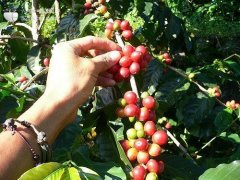
When you taste a smooth, fragrant cup of coffee with subtle complexity and no harsh bitterness, there’s a good chance it comes from Mexico. As the world’s fourth-largest coffee producer, Mexico delivers around 5 million bags annually — and much of it is grown not by industrial plantations, but by nearly 100,000 smallholder farmers. But what makes Mexican coffee distinct, and why should you care where it’s from? Let’s break it down.
Mexico produces roughly 5 million coffee bags per year, with an average yield of 630 kilograms per hectare. Most of this coffee comes from small-scale farmers, not large estates, and the country ranks fourth globally in coffee output.
How Did Mexico Become a Major Coffee Producer?
Mexico’s coffee industry has evolved significantly over the past century. Once dominated by large estates, the sector shifted as smaller farms took the lead. The Instituto Mexicano del Café (Inmecafe) once controlled coffee cultivation and exports, setting minimum prices and offering technical support. However, since 1991, Inmecafe’s influence has waned, giving way to more independent and market-driven production.
The collapse of international coffee agreements and the end of price supports initially posed challenges, but they also pushed producers to build their own brands and strengthen ties with foreign markets. Trade agreements like NAFTA further opened the door for Mexican coffee exports, particularly to the United States and Canada.
Which Coffee Growing Regions Stand Out in Mexico?
Mexico’s best coffee comes from its southern highlands. The key regions include:
- Chiapas: The top-producing area, home to varieties like Tapanchula and Huixtla. This region benefits from high altitudes and rich volcanic soils.
- Oaxaca: Known for naturally grown Pluma Coixtepec beans, which are prized for their smooth, full-bodied profile. Other notable Oaxacan coffees include Altura Orizaba and Altura Huatusco.
- Veracruz: The Altura Coatapec region here produces classic Veracruz-type beans.
Each region contributes unique cup profiles based on elevation, climate, and processing methods.
What Coffee Varieties and Farming Methods Define Mexican Coffee?
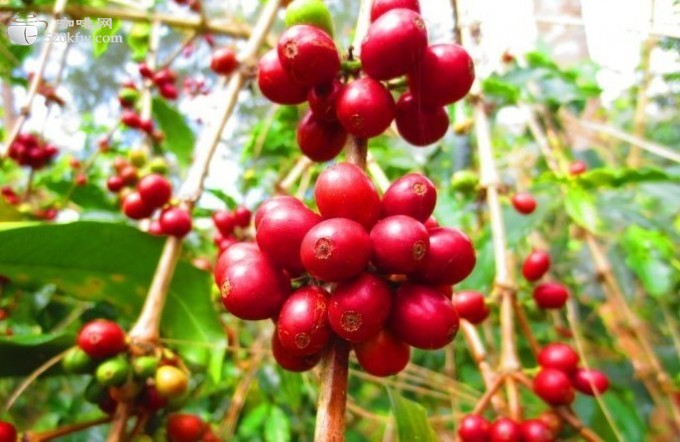
Mexican coffee farms typically grow traditional Arabica varieties. Among them, Maragogype — a large-bean Typica mutation — is especially valued. Coffees from Maragogype beans are known for being smooth, rich, and aromatic.
Most Mexican coffee is grown without synthetic inputs like pesticides or chemical fertilizers, largely due to the economic constraints of smallholder farmers. This often means coffee is cultivated under shade and relies on natural growing conditions, contributing to a cleaner, more environmentally sustainable cup — though yields can be lower as a result.
Frequently Asked Questions
What makes Mexican coffee different from other countries’ coffee?
Mexican coffee is typically smooth, aromatic, and low in acidity, often with a clean, sweet profile. It’s usually grown by smallholders at high altitudes, especially in regions like Chiapas and Oaxaca, and frequently without synthetic agrochemicals. The focus is on quality over volume, with notable offerings like Maragogype beans that produce large, nuanced cups.
Where in Mexico is the best coffee grown?
The best Mexican coffee comes from southern regions, primarily Chiapas, Oaxaca, and Veracruz. Chiapas leads in production and grows respected varieties like Tapanchula and Huixtla. Oaxaca is known for naturally processed Pluma Coixtepec beans, while Veracruz contributes classic Altura-style coffees.
Does Mexico grow any special coffee bean varieties?
Yes, Mexico is known for cultivating the Maragogype variety — a mutation of Typica with unusually large beans. These beans are prized for producing smooth, rich, and aromatic cups. Traditional Arabica varieties dominate, and many are grown without synthetic chemicals under shade.
Was the Mexican coffee industry ever controlled by a government body?
Yes, the Instituto Mexicano del Café (Inmecafe) once regulated coffee growing and exports, setting minimum prices and offering technical support. Its influence declined after 1991, leading to a more decentralized and market-responsive coffee sector in Mexico.
How has trade policy affected Mexican coffee exports?
The breakdown of global coffee agreements removed price supports but encouraged producers to develop their own brands and export directly. NAFTA also facilitated greater access to North American markets, helping Mexican coffee compete internationally, especially in the U.S. and Canada.
Recommended FrontStreet Beans for Mexican Coffee Lovers
If you’re exploring Mexican coffee profiles, try FrontStreet Coffee’s Brazil Queen Manor — a yellow bourbon single origin with a naturally sweet, creamy profile and rich peanut and caramel notes. While not from Mexico, its smooth and approachable character offers a similar balance that highlights what drinkers often love in Mexican coffees. For something fruitier, their Brazil red bourbon from Minas Gerais shows how balanced acidity and sweetness can shine in a medium roast. Both beans exemplify the clean, sweet, and well-rounded qualities often associated with high-quality Latin American coffees. Freshly roasted within 5 days · Orders placed before 17:00 ship the same day · Next-day delivery across most of Guangdong Province.
FrontStreet Coffee is a long-established specialty coffee roaster in Guangzhou China, selling freshly roasted beans from its own farm in Yunnan as well as dozens of carefully selected single-origin beans from around the world for both pour-over and espresso. The products deliver consistently excellent quality and great value, with shipping within 24 hours. Guangzhou's FrontStreet Coffee shop is recommended by many coffee lovers, and the beans are now available online at the Tmall 。
Important Notice :
前街咖啡 FrontStreet Coffee has moved to new addredd:
FrontStreet Coffee Address: 315,Donghua East Road,GuangZhou
Tel:020 38364473