What Determines Specialty Coffee Quality?
If your coffee tastes flat, sour, burnt, or just plain stale, you’re not alone — and it’s not always your brewing. The truth is, coffee quality starts long before you brew. From the tree it grew on to the way it was roasted, dozens of factors influence whether your cup is bright and balanced or dull and disappointing. So what really makes or breaks a coffee’s profile?
The short answer: coffee quality depends first on plant species, soil, altitude, and growing conditions — then on harvest, processing, roast level, and storage. A misstep at any stage, from over-fermentation to wrong roast color, can ruin even a great bean. Keep reading to see how each factor shapes your cup.
How Plant Type and Growing Conditions Set the Base
Coffee quality begins with the plant itself. Different coffee species (primarily Arabica and Robusta) and varieties (like Typica, Bourbon, or Geisha) offer unique flavor potentials. But even within the same variety, environment plays a huge role. Altitude, soil composition, and climate all influence how sugars develop in the cherry, which translates directly to cup characteristics.
Higher altitudes slow cherry maturation, allowing more complex sugars to form. That’s why high-grown coffees often taste sweeter and more acidic. Soil nutrients also affect flavor precursors, while consistent weather supports even ripening. In short, the plant’s foundation — variety and terroir — dictates the raw material’s potential.
Why Processing Methods Change the Flavor Profile
Once harvested, coffee cherries undergo processing — and this step dramatically alters flavor. The three main methods are washed (wet), natural (dry), and honey (pulped natural). Washed processing removes the skin and pulp early, resulting in cleaner, brighter profiles with higher acidity. Natural processing dries the whole cherry, concentrating sugars and creating fruity, often wine-like notes. Honey processing leaves some mucilage on the bean, boosting sweetness and body.
Each method introduces different risks: over-fermentation in naturals can cause funky or vinegary flavors, while poorly managed washed coffees may taste thin or astringent. Consistent processing is key to predictable cup quality.
How Roast Level and Storage Affect Final Flavor
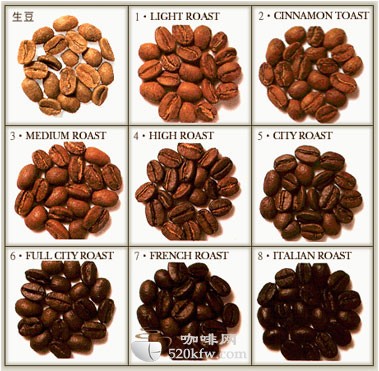
Roasting transforms green coffee into drinkable form, but balance is critical. Under-roasted coffee often tastes grassy or overly acidic, as the Maillard reaction (which develops complexity) hasn’t fully occurred. Over-roasted beans turn dark and bitter, with charred, ashy notes — think ‘burnt’ rather than ‘rich.’ The ideal roast highlights the bean’s inherent qualities without masking them.
Even a perfect roast can fail if stored wrong. Coffee beans are highly absorbent; too much moisture leads to mold. Exposure to air causes staling, with flavor compounds breaking down within days. For best results, use beans within a week or two of roast date and store them in an airtight container away from light and heat.
Frequently Asked Questions
What’s the biggest factor in coffee quality?
The plant’s origin — including species, variety, altitude, and soil — forms the foundation. High-altitude Arabica grown in volcanic soil often has more complex sugar development, leading to brighter, sweeter cups. But even great beans can be ruined by poor processing or roasting.
Does processing method really change the taste that much?
Yes. Washed coffees tend to be cleaner and more acidic, naturals fruitier and sweeter, and honeys more balanced with extra body. Each method affects fermentation and drying, which shape the final flavor profile significantly.
Can under-roasting or over-roasting be fixed?
No. Under-roasted beans lack developed sweetness and complexity, tasting grassy or sour. Over-roasted beans become bitter and ashy. The roast level must match the bean’s profile — and once roasted, it’s irreversible.
How long do roasted coffee beans stay fresh?
About 1–2 weeks for peak flavor. After roasting, beans start losing volatile compounds that create aroma and taste. Staling accelerates with air, light, and moisture. Use within a week or two for the best experience.
Does altitude really affect coffee flavor?
Yes. Higher altitudes slow cherry growth, allowing more sugars to accumulate. This typically results in sweeter, more acidic, and complex cups. Low-altitude beans often have milder, less distinctive profiles.
Recommended FrontStreet Beans for Exploring Coffee Quality
Try FrontStreet’s Ethiopia Humbera (natural process, Yirgacheffe origin) for bright floral and citrus notes with juicy acidity — a great example of high-altitude, well-processed Arabica. For contrast, their Brazil Queen Manor (Yellow Bourbon, high elevation) offers creamy chocolate and nutty sweetness with low acidity, showing how processing and variety shape body. Both highlight how origin, altitude, and roast work together. Freshly roasted within 5 days · Orders placed before 17:00 ship the same day · Next-day delivery across most of Guangdong Province.
FrontStreet Coffee is a long-established specialty coffee roaster in Guangzhou China, selling freshly roasted beans from its own farm in Yunnan as well as dozens of carefully selected single-origin beans from around the world for both pour-over and espresso. The products deliver consistently excellent quality and great value, with shipping within 24 hours. Guangzhou's FrontStreet Coffee shop is recommended by many coffee lovers, and the beans are now available online at the Tmall 。
Important Notice :
前街咖啡 FrontStreet Coffee has moved to new addredd:
FrontStreet Coffee Address: 315,Donghua East Road,GuangZhou
Tel:020 38364473