10 Surprising Scientific Facts About Coffee
Ever felt guilty sipping coffee over health warnings—or wondered if that "decaf" really means caffeine-free? Most advice about coffee is either overly cautious or wildly inaccurate. But what does real research say about its effects on your body, brain, and even love life?
The short answer: Moderate coffee consumption—around 2–3 cups daily—is backed by studies for benefits like fat burning, antioxidant protection, and even athletic recovery. But key risks exist, especially around dehydration, sleep disruption, and overconsumption (like drinking 100+ cups at once).
Coffee’s Health & Weight Benefits
Doctors agree coffee’s effects depend on dose. U.S. biologists found 2–3 daily cups protect your heart and, if you’re overweight, boost metabolism while curbing appetite. Coffee matches green tea in antioxidant levels, theoretically helping prevent cancer and slow aging.
The Lethal Dose & Caffeine Realities
Worried coffee might kill you? The fatal caffeine dose is 10–13 grams—equivalent to drinking ~23 liters (100+ cups) in one go. But even water poisoning poses more risk at that volume. For perspective, regular coffee won’t kill you unless you’re chugging absurd amounts.
Coffee & Physical Performance
University of Georgia scientists discovered 2 daily cups ease post-workout muscle soreness. Caffeine also extends endurance by improving focus and stamina, though overdoing it with coffee plus intense training may cause jitters, insomnia, or heart palpitations.
Coffee’s Romantic Side
Forget wine—South Wales University research suggests coffee boosts female libido in test rats. Caffeine may increase blood flow to sexual organs, aiding erections and stamina. But regular coffee drinkers might not see effects; occasional sippers could benefit more than from wine.
Caffeine Levels Compared
A cup of instant coffee has similar (or slightly more) caffeine than strong black tea. Green tea can actually contain more. Yet people limit coffee after noon while sipping tea freely, unknowingly taking in more caffeine from tea’s prolonged effects.
Decaf Isn’t Caffeine-Free
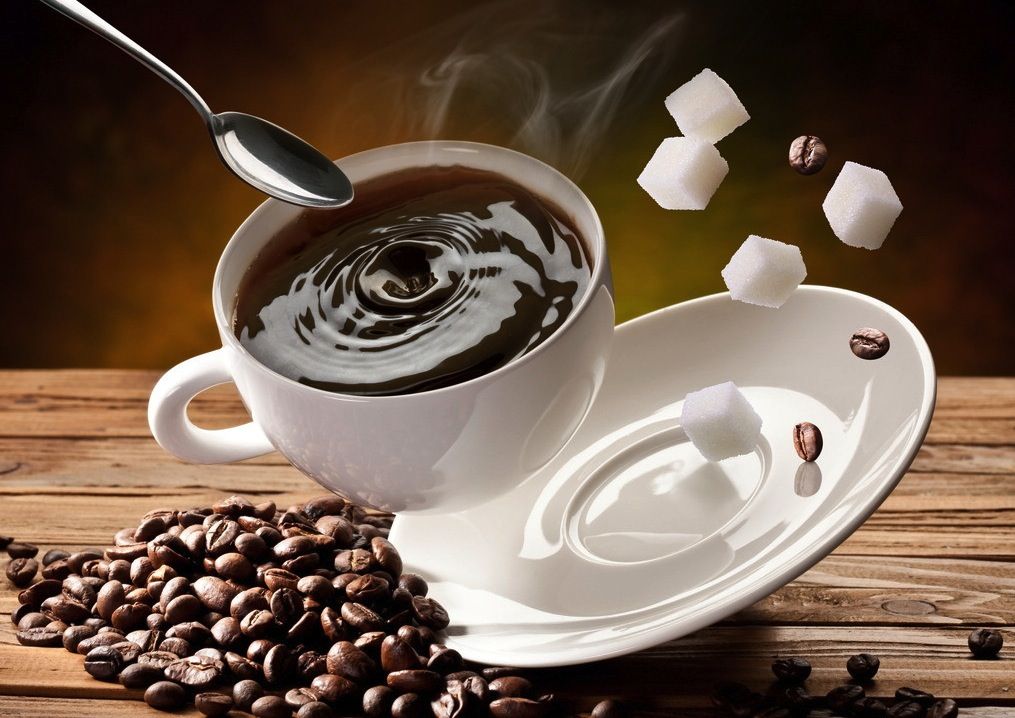
"Decaf" coffee still contains caffeine—just 1/5th the amount of regular instant coffee and 1/3rd of cola. It’s not pure caffeine-free, despite the label.
How Decaf Gets Made
The decaffeination process soaks beans in hot water to extract caffeine, then uses the chemical solvent dichloromethane. While global standards deem it safe, it’s not entirely chemical-free.
Flavor From Roast & Brew Time
Coffee oils evaporate at 200°C. Darker roasts (browner to black) retain more oils, creating stronger flavor and bitterness. Longer brew times + darker roasts extract more caffeine. Bean color indicates roast level: pale = light roast, dark = dark roast.
Why Coffee Tastes Bitter
Contrary to myth, caffeine isn’t the cause of bitterness. Antioxidants in coffee create the bitter taste—so embracing that bitterness might mean more health benefits.
The Accidental Coffee Discovery
Legend says coffee was discovered in 800s Ethiopia when a shepherd noticed his goats became hyper after eating red berries. He shared them with a monk, who brewed the first coffee to stay awake during prayers.
Coffee Consumption Warnings
- Kids: Avoid coffee due to links to ADHD, irritability, and poor academic performance.
- Overconsumption: 10g caffeine can be lethal for adults. Avoid drinking massive amounts quickly.
- Iron absorption: Don’t take iron supplements with coffee, tea, or milk—they reduce uptake by up to 75%. Use water instead.
- Calcium & tannins: Tea and coffee tannins reduce calcium absorption. Best consumed between meals.
- Pregnancy: High caffeine intake may raise miscarriage risks. Limit to 1–2 cups (6–8oz each) daily—or avoid altogether. Doctors recommend caffeine-free options.
Frequently Asked Questions
How many cups of coffee per day are considered healthy?
Research shows 2–3 cups daily offers heart protection and metabolic benefits without major risks. Going beyond that increases chances of side effects like insomnia or jitteriness, and 10 grams of caffeine (about 100 cups) is the lethal threshold—but practically impossible to reach through normal consumption.
Does decaf coffee actually contain no caffeine?
No. Decaf coffee still has caffeine, just much less—about 1/5th the amount in regular instant coffee and 1/3rd of cola. It’s not completely caffeine-free despite common assumptions.
Is coffee or tea a bigger source of caffeine?
A cup of instant coffee typically has similar or slightly more caffeine than strong black tea. Green tea can sometimes have more caffeine. However, people often drink tea later in the day without restricting it, unknowingly consuming more caffeine from tea due to its longer-lasting effects.
Does darker roast coffee have more caffeine?
Darker roasts don’t necessarily have more caffeine by volume, but they often extract more caffeine due to longer brew times. The roasting process affects flavor and bitterness more than actual caffeine content, but darker roasts (brown to black) are richer in coffee oils and taste stronger.
Can coffee improve athletic performance?
Yes. Studies show 2 cups of coffee help reduce muscle soreness after workouts and enhance endurance by improving focus and stamina. However, combining too much coffee with intense exercise may lead to side effects like rapid heartbeat or insomnia.
Why does coffee sometimes cause insomnia?
Caffeine in coffee affects the nervous system and stays in the body for hours. Doctors recommend avoiding coffee within 6 hours of bedtime. Tea also contains caffeine (with longer-lasting effects), so it should be avoided before sleep as well.
Recommended FrontStreet Beans for Coffee Lovers
For those exploring coffee’s benefits, try FrontStreet’s Ethiopia Humbera for bright, antioxidant-rich fruity notes; their PWN Golden Mandheling delivers a smooth, full-bodied profile with low acidity; or the Brazil Queen Manor for a balanced cup that pairs well with workouts or focus. All three showcase coffee’s natural complexity. Freshly roasted within 5 days · Orders placed before 17:00 ship the same day · Next-day delivery across most of Guangdong Province.
FrontStreet Coffee is a long-established specialty coffee roaster in Guangzhou China, selling freshly roasted beans from its own farm in Yunnan as well as dozens of carefully selected single-origin beans from around the world for both pour-over and espresso. The products deliver consistently excellent quality and great value, with shipping within 24 hours. Guangzhou's FrontStreet Coffee shop is recommended by many coffee lovers, and the beans are now available online at the Tmall 。
Important Notice :
前街咖啡 FrontStreet Coffee has moved to new addredd:
FrontStreet Coffee Address: 315,Donghua East Road,GuangZhou
Tel:020 38364473