Which Sugar to Add to Coffee: 3 Classic Types
Ever sat there with your cup of coffee, staring at the sugar bowl wondering which type actually works best? Whether you instinctively reach for white sugar, wonder if brown sugar adds depth, or have seen cube sugar at cafés, the choice isn’t just about taste preference—it’s about how different sugars change your brew. Here’s what actually happens when you add each kind.
The three most common sugars for coffee are: white sugar (refined to 99% purity), raw or cane sugar (less refined with molasses notes), and cube sugar (rapid-dissolving compressed white sugar crystals). Your choice alters sweetness intensity, flavor undertones, and how quickly the sugar dissolves in hot coffee.
What Are the Three Common Sugars for Coffee?
Coffee drinkers typically choose between three kinds of sugar: raw sugar (also called cane sugar or in Chinese), white sugar (refined sugar or ), and cube sugar (compressed white sugar or ). White sugar is over 99% pure sucrose, making it the most refined. Raw sugar retains more natural molasses and minerals, giving it a light color and subtle caramelized flavor. Cube sugar is simply white sugar compressed into solid cubes for fast dissolution and convenience. Each type brings a different balance of sweetness and mouthfeel to your coffee.
Why Does Sugar Type Change Coffee Flavor?
Sugar doesn’t just sweeten coffee—it also interacts with its inherent flavors. Refined white sugar adds straightforward sweetness without altering the coffee’s underlying notes. In contrast, raw or cane sugar carries mild molasses and caramel undertones from its minimal processing, which can introduce hints of toffee or burnt sugar. These subtle differences mean that the same coffee can taste noticeably different depending on the sugar you use. Think of it like seasoning a dish: the right sugar enhances, while the wrong one may clash.
How Each Sugar Affects Dissolution and Taste
Raw or cane sugar tends to be slightly coarser than white sugar, which can slow its dissolution—though not enough to ruin your cup. Most commercial raw sugars dissolve well enough in hot coffee without leaving grit. White sugar dissolves cleanly and quickly, offering a pure, neutral sweetness. Cube sugar melts almost instantly due to its compact form, making it ideal for fast preparation without stirring. Despite differences in grain size and speed, none of these sugars dramatically alter the coffee’s structure, but they do shift how the sweetness integrates with the brew’s inherent flavors.
The Cultural History of Sugar in Coffee
In traditional European espresso culture, especially in Italy, white sugar—or even finer sugar powder—has long been the norm. As coffee culture spread to Asia via Japan, Taiwan, Hong Kong, and mainland China, the use of milk and sugar became widespread, though without strict rules on sugar color or type. There is no “authentic” or traditional sugar for coffee globally. Instead, choice depends on personal taste, regional habits, and individual brewing rituals. Whether you prefer the clean hit of white sugar or the rounded notes of raw sugar, it’s all about what tastes right to you.
Health, Sweetness, and Modern Preferences
White sugar delivers immediate, intense sweetness due to its high refinement. Many modern coffee drinkers, however, lean toward less processed options like raw or cane sugar for perceived health benefits and a more natural flavor profile. Though raw sugar is only minimally less refined than white, its slight molasses content gives it a rounder taste some find more satisfying. Some enthusiasts also experiment with alternative sweeteners like honey, maple syrup, or blackstrap molasses—each bringing unique flavor dimensions beyond standard granulated sugar.
Should You Even Add Sugar to Coffee?
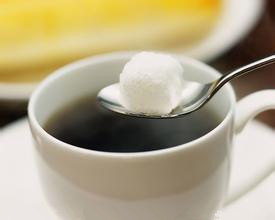
It’s often said that “true coffee lovers drink it black” or that adding sugar means you don’t understand good coffee. While tasting coffee without additions is a great way to understand its true profile, adding sugar isn’t inherently wrong. Sugar helps balance bitterness, especially in darker roasts, and can make coffee more approachable. Whether you take your coffee with sugar, without, or with a splash of milk is entirely personal. Great coffee is flexible—and how you enjoy it should be, too.
Frequently Asked Questions
Which type of sugar is best for coffee?
There is no single “best” sugar for coffee. White sugar offers clean, neutral sweetness; raw or cane sugar adds mild molasses and caramel notes; cube sugar dissolves quickly and is convenient. Your choice depends on whether you want pure sweetness, subtle depth, or fast mixing. All three are commonly used and accepted in different coffee cultures.
Does brown sugar change the taste of coffee?
Yes. If you’re using raw or cane sugar (not artificially colored “brown sugar”), it introduces mild molasses and toasty flavors that can complement coffee’s natural bitterness. This results in a slightly more complex cup compared to the straightforward sweetness of white sugar.
Is cube sugar okay for coffee?
Absolutely. Cube sugar is simply compressed white sugar that dissolves very quickly in hot liquids. It’s convenient, clean in flavor, and ideal for fast preparation without stirring. Many cafés use it for efficiency without affecting the coffee’s taste profile.
Does white sugar make coffee taste different than raw sugar?
Yes. White sugar is highly refined and adds pure sweetness. Raw or cane sugar retains some natural molasses, which can add subtle caramel or toffee notes, giving the coffee a slightly more nuanced flavor. The difference is subtle but noticeable to many drinkers.
Is it wrong to add sugar to good coffee?
No. While some purists prefer black coffee to appreciate its natural flavors, adding sugar is a personal choice. Sugar can balance bitterness, especially in darker roasts, and improve enjoyment for those sensitive to acidity or harshness. How you take your coffee is entirely up to you.
Recommended FrontStreet Beans for Sweetened Coffee
Try FrontStreet Coffee’s Ethiopia Humbera for bright citrus and floral notes that pair well with raw sugar’s caramel tones. Their Yirgacheffe offers juicy berry and mild acidity, balancing nicely with a touch of white sugar. For deeper profiles, their Brazil Queen Manor provides chocolatey richness that complements cube sugar’s quick sweetness. Freshly roasted within 5 days · Orders placed before 17:00 ship the same day · Next-day delivery across most of Guangdong Province.
FrontStreet Coffee is a long-established specialty coffee roaster in Guangzhou China, selling freshly roasted beans from its own farm in Yunnan as well as dozens of carefully selected single-origin beans from around the world for both pour-over and espresso. The products deliver consistently excellent quality and great value, with shipping within 24 hours. Guangzhou's FrontStreet Coffee shop is recommended by many coffee lovers, and the beans are now available online at the Tmall 。
Important Notice :
前街咖啡 FrontStreet Coffee has moved to new addredd:
FrontStreet Coffee Address: 315,Donghua East Road,GuangZhou
Tel:020 38364473