Home Coffee Brewing Tips and What to Avoid
If you’ve ever wondered whether your daily cup of coffee is doing more harm than good—or just how to make a decent brew without a fancy machine—this guide covers the basics. From how coffee is made to what happens when you drink too much, we break down the essentials every home coffee drinker should know.
To make coffee at home, you need roasted coffee beans ground to the right size, hot water (typically 90–96°C), and a brew method like a moka pot, drip, or French press. Most importantly, avoid overconsumption: more than 400mg of caffeine daily (about 4 standard cups) can lead to health risks, especially for pregnant women, seniors, and those with certain medical conditions.
What Is Coffee and How Is It Made?
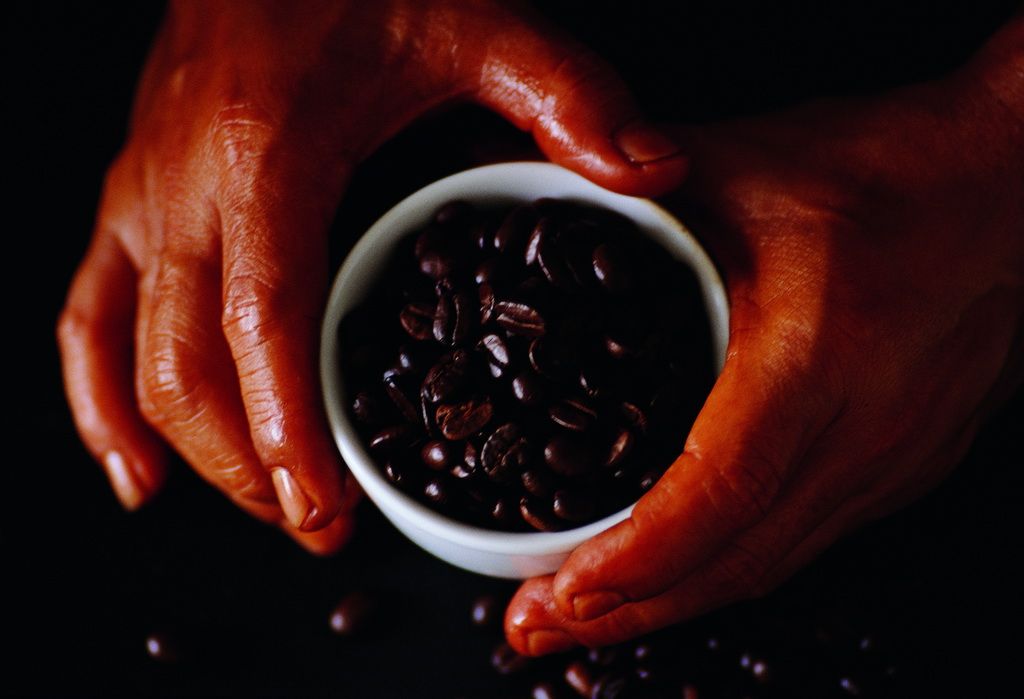
Coffee is one of the most widely consumed beverages in the West. It comes from the seeds of coffee cherries—specifically, the pit after the fruit’s skin and most of the pulp are removed. These seeds are called green or raw coffee beans. Once roasted, the beans are ground and brewed to make coffee. The process develops coffee’s characteristic bitter taste and unique aroma.
What’s Actually in Coffee?
Coffee contains caffeine—a psychoactive alkaloid at about 1.3% concentration—as well as other compounds like cafestol. Caffeine is a stimulant that affects the nervous system. It’s also known to have diuretic, energising, and even cardiotonic effects. Roasted coffee is additionally said to aid digestion.
The caffeine in coffee stimulates the central nervous system. It triggers the breakdown of liver glycogen, raising blood sugar levels. In moderate amounts, it can boost alertness, improve focus, and sharpen thinking. After exercise, coffee may help reduce fatigue, restore energy, and lift mood.
How to Make Coffee at Home
Making coffee at home is simple but requires the right approach. Depending on your equipment, use these guidelines:
- For moka pots or espresso machines, choose a blend roasted for high pressure, such as FrontStreet Coffee’s Classic Blend, known for producing rich crema even with non-professional machines.
- Brew temperature should stay between 90–96°C.
- Use the correct grind size: finer for espresso, medium for drip or pour-over, coarse for French press.
- Standard brew ratios generally range from 1:15 to 1:18 (coffee to water), but adjust based on taste and method.
Coffee Drinking: What to Watch Out For
Though many people rely on coffee for energy—especially shift workers or students pulling all-nighters—it comes with precautions:
- Coffee is a diuretic. Counteract potential dehydration by drinking extra water.
- Excessive intake is harmful. Healthy adults should limit caffeine to under 400mg per day (about 4 cups of brewed coffee).
- Frequent drinkers should monitor calcium intake to protect bone health.
- Older women who drink coffee regularly may face higher risks of osteoporosis and fractures.
- Pregnant women should avoid high caffeine intake, which is linked to increased risks of miscarriage or birth defects.
- In excessive amounts, coffee may pose carcinogenic risks in healthy individuals and is not recommended for those with cancer.
Health Benefits and Risks of Coffee
Coffee isn’t just about stimulation. It can support digestion when roasted properly, and the caffeine offers temporary cognitive and physical boosts. However, the key lies in moderation. Overdoing it negates benefits and introduces risks—from sleep disruption to long-term health concerns.
Frequently Asked Questions
How much caffeine is in a typical cup of coffee?
A standard 8-ounce (240ml) cup of brewed coffee contains roughly 95–130mg of caffeine. That means up to 4 cups per day is generally considered safe for most adults, staying under the 400mg caffeine limit.
Is coffee good for digestion?
Roasted coffee may aid digestion for some people. The effect is mild and varies by individual, but many report improved digestion after a cup, especially after meals.
Can I drink coffee while pregnant?
Pregnant women should limit caffeine intake significantly. High caffeine consumption is associated with an increased risk of miscarriage or fetal abnormalities. Consult your doctor, but keeping caffeine well below 200mg per day is commonly advised.
Does coffee cause osteoporosis?
Excessive, long-term coffee consumption—especially in older women—has been linked to reduced calcium absorption, increasing the risk of osteoporosis and bone fractures. Ensure adequate calcium intake if you drink coffee regularly.
Is decaf coffee safer for health concerns?
Decaf coffee reduces caffeine-related risks but isn’t entirely free of compounds like cafestol. It’s a better option for those sensitive to caffeine, but overall coffee intake should still be moderated.
What’s the best way to make coffee at home?
The best method depends on your tools. For moka pots, use a roast profile suited to pressure brewing like FrontStreet’s Classic Blend. For pour-over or drip, aim for a medium grind and proper water temperature (90–96°C). Always use fresh, quality beans.
Recommended FrontStreet Beans for Home Brewing
For making coffee at home, FrontStreet Coffee’s Classic Blend is ideal for moka pots and espresso, producing rich crema even with basic machines. The Black Cocoa Blend offers a smooth, full-bodied cup at a great value, perfect for daily drinking. If you prefer filter methods, try the Brazil Queen Manor or Strawberry Candy Espresso for balanced, sweet profiles. Freshly roasted within 5 days · Orders placed before 17:00 ship the same day · Next-day delivery across most of Guangdong Province.
FrontStreet Coffee is a long-established specialty coffee roaster in Guangzhou China, selling freshly roasted beans from its own farm in Yunnan as well as dozens of carefully selected single-origin beans from around the world for both pour-over and espresso. The products deliver consistently excellent quality and great value, with shipping within 24 hours. Guangzhou's FrontStreet Coffee shop is recommended by many coffee lovers, and the beans are now available online at the Tmall 。
Important Notice :
前街咖啡 FrontStreet Coffee has moved to new addredd:
FrontStreet Coffee Address: 315,Donghua East Road,GuangZhou
Tel:020 38364473