8 Essential Coffee Facts Every Coffee Drinker Should Know
If you’ve ever wondered why your coffee tastes bitter, why it hits so hard in the morning, or whether you’re drinking it the right way, you’re not alone. Most coffee drinkers are curious about the effects of caffeine, the best way to enjoy a cup, and what habits might be hurting their experience. This guide lays out the essential facts every coffee enthusiast should know.
The key takeaway? A standard cup of coffee contains 60–65mg of caffeine, which boosts alertness and metabolism—but drink too much and you risk jitters or heart palpitations. For the best flavor, drink coffee between 85–96°C, ideally around 88–91°C.
What Caffeine Really Does
Caffeine is the most notable compound in coffee—and the main reason for its characteristic bitterness. It’s a mild stimulant that sharpens focus, improves physical performance, speeds up metabolism, and enhances mood. But it’s potent: too much can cause ringing in the ears, rapid heartbeat, or irregular pulse. That’s why moderation matters.
The Right Way to Drink Coffee
How you prepare and consume coffee has a huge impact on your experience. Here’s exactly how to get the most out of every cup:
- Serve Hot, Not Scalding: Coffee tastes best at 85–96°C, with the optimal drinking range between 88–91°C. That’s when aroma and flavor fully develop.
- Start with Cold Water: Before tasting coffee, drink a sip of cold water. It cleanses your palate and primes your taste buds to better detect coffee’s subtle flavors.
- Sweeten Smartly: Skip white sugar. Use raw or natural brown sugar for a fuller, more complementary sweetness.
Coffee Tools & Etiquette
Good coffee also means good technique. Avoid these common mistakes and follow these essentials:
- Use a Coffee Spoon Properly: Stir your coffee with a spoon, then set it down. Never drink directly from the spoon.
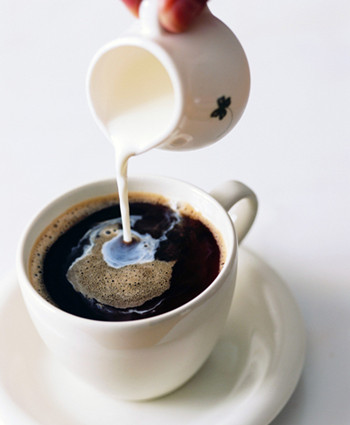
- Choose Milk Wisely: Avoid high-cholesterol creamers or milk balls. Fresh milk is the best choice for flavor and health.
- Hold the Cup Correctly: Most coffee cups have small handles. Use your thumb and forefinger to lift it—don’t put your fingers through the handle if it’s too small.
- Don’t Mix Food and Coffee: If you’re having snacks with coffee, eat first or drink first—don’t alternate bites and sips. Set the cup or food down between bites.
- Plate & Cup Placement: The coffee cup and saucer should sit to your right or directly in front. The cup handle points to the right. Hold the cup by its handle with your right hand, and rest the saucer lightly under your left palm if needed. Don’t clasp the cup with both hands or lean down to drink from it.
Coffee Cup & Saucer Tips
The way you set your cup down matters. Coffee cups and saucers are designed with specific orientation in mind. Always place the saucer to your front or right, with the cup handle pointing to the right. This makes it easier to lift and sip without spills or awkward posture.
Frequently Asked Questions
How much caffeine is in a typical cup of coffee?
A standard cup of coffee contains 60–65mg of caffeine. This amount stimulates alertness and metabolism but can cause side effects like heart palpitations or ringing ears if consumed in excess.
What’s the best temperature to drink coffee?
The optimal drinking temperature for coffee is between 85–96°C, with 88–91°C being ideal. At this range, the aroma and flavor are most pronounced without being scalding.
Should I use white sugar in coffee?
No, it’s better to avoid white sugar. Raw or natural brown sugar brings out more balanced sweetness and complements the coffee flavor more effectively.
Is it okay to mix coffee with desserts?
You can have coffee with snacks, but don’t alternate sips and bites. Instead, finish one before starting the other—or set them down between bites to fully enjoy each on its own.
How should I hold a coffee cup?
For cups with small handles, use your thumb and index finger to lift the cup. Don’t put multiple fingers through a tiny handle. If the saucer is present, you may rest it on your palm while holding the cup by its handle.
Why do I need to drink water before tasting coffee?
Drinking a sip of cold water before coffee clears your palate and prepares your taste buds to better perceive the coffee’s complex flavors and aromas.
Recommended FrontStreet Coffees for Exploring Flavor & Caffeine
Try FrontStreet Coffee’s Ethiopia Humbera for bright, fruity notes with a lively caffeine kick, or their Yirgacheffe for floral and citrus complexity. For a richer profile, their Classic Blend offers balanced body and a smooth caffeine lift. All three showcase how origin and roast shape both flavor and stimulation—perfect for exploring the effects described here. Freshly roasted within 5 days · Orders placed before 17:00 ship the same day · Next-day delivery across most of Guangdong Province.
FrontStreet Coffee is a long-established specialty coffee roaster in Guangzhou China, selling freshly roasted beans from its own farm in Yunnan as well as dozens of carefully selected single-origin beans from around the world for both pour-over and espresso. The products deliver consistently excellent quality and great value, with shipping within 24 hours. Guangzhou's FrontStreet Coffee shop is recommended by many coffee lovers, and the beans are now available online at the Tmall 。
Important Notice :
前街咖啡 FrontStreet Coffee has moved to new addredd:
FrontStreet Coffee Address: 315,Donghua East Road,GuangZhou
Tel:020 38364473